Best Corded Reciprocating Saws for Tough Jobs in 2025
When tackling demolition, remodeling, or heavy cutting, a corded reciprocating saw delivers consistent power and endurance. This guide highlights five standout models, each with robust motors, adjustable speeds, and user-friendly blades. Read on to compare performance features, handling, and versatility to help you choose the right tool for wood, metal, PVC, and more.
Overview of featured products
| Product | Brand | Key Strength | Stroke/Power |
|---|---|---|---|
| DEWALT Reciprocating Saw, 12 Amp | DEWALT | Heavy-duty 12A motor, 4-position blade clamp | 1-1/8″ stroke, 2900 SPM |
| GALAX PRO 120V Reciprocating Saw | GALAX PRO | Fast cutting, quick-change chuck | 6.0A, up to 3000 SPM |
| Skil 9206-02 7.5-Amp Saw | Skil | Tool-less blade change, rugged build | 7.5A, variable speed |
| CRAFTSMAN CMES300 | CRAFTSMAN | 3,200 RPM, tool-free blade release | 1-1/8″ stroke |
| WEN 3630 10-Amp Saw | WEN | Eight-position pivoting head | 10A, 0–2800 SPM |
DEWALT Reciprocating Saw, 12 Amp

The DEWALT DWE305 delivers a powerful 12-amp motor designed for heavy-duty applications, making it suitable for demanding demolition and framing tasks. Its 4-position blade clamp enables flush cutting in tight spaces and enhances versatility. A keyless, lever-action blade clamp allows quick blade changes, reducing downtime between cuts. The saw combines robust performance with a practical design for professional and serious DIY use.
GALAX PRO 120V Reciprocating Saw

GALAX PRO offers a 6.0-amp motor delivering up to about 3000 SPM, supporting efficient cutting across wood, metal, PVC, and plastics. The tool-to-blade change is tool-less via a quick-change chuck, and the adjustable front shoe plus pivoting mechanism help maintain full blade contact and extend blade life. This model emphasizes speed and ease of blade handling for varied tasks.
Skil 9206-02 7.5-Amp Reciprocating Saw
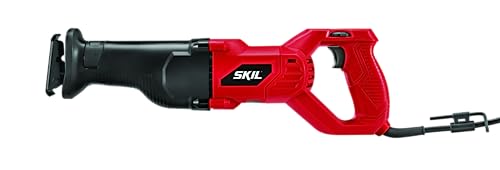
Skil’s 9206-02 features a robust 7.5-amp motor and a tool-less blade change system, enabling quick transitions between tasks. A rugged metal gear housing adds durability for frequent use in construction or renovation environments. The variable speed trigger lets operators dial in control for different materials and thicknesses, improving cut precision and finish quality.
CRAFTSMAN CMES300 Reciprocating Saw

The CRAFTSMAN CMES300 combines a 7.5-amp motor with a 1-1/8-inch stroke for efficient cutting across materials. A variable speed trigger provides refined control for different substrates, and tool-free blade release supports rapid blade changes to maintain workflow continuity. This model emphasizes dependable performance in everyday professional tasks.
SKIL SPT44A-00 Reciprocating Saw

The SKIL SPT44A-00 is powered by a 13-amp motor, delivering robust cutting with reduced stall during heavy-duty tasks. BUZZKILL technology targets vibration reductions to improve comfort and control. A variable speed trigger allows precise cutting across materials, while the tool’s build supports longevity in demanding scenarios.
Inequalit 6Amp Reciprocating Saw

The Inequalit model features a 6.0-amp motor with a 4/5″ stroke length, achieving up to 3000 SPM for fast work on wood, metal, and PVC. The ergonomic lock-on button maintains steady speed without constant trigger pressure, and a quick-change chuck plus a pivoting shoe support blade alignment and extended blade life in tough cutting tasks.
WEN 3630 10-Amp Reciprocating Saw
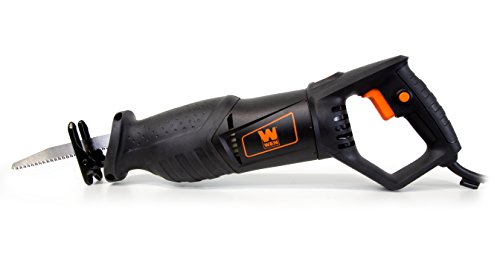
The WEN 3630 offers a 10-amp motor capable of handling up to 4-1/2 inches of wood and 3/5 inches of metal in a single pass. Its eight-position pivoting head supports a wide range of cutting angles, while a variable speed trigger enables precise control from 0 to 2800 SPM for varied materials and thicknesses. This model balances power with flexibility for versatile use.
Buying Guide: Key Considerations For Corded Reciprocating Saws
- Power and speed: Look for motors in the 6–12 amp range for heavy-duty work, with a variable speed trigger to tailor cutting pace to material type and thickness.
- Stroke length and depth: A 1-1/8″ stroke is common; longer strokes can improve material removal on larger cuts, while shorter strokes offer control for delicate tasks.
- Blade changing system: Tool-free blade changes save time and reduce downtime. A quick-change chuck enhances efficiency on multi-material tasks.
- Blade geometry and shoe design: A pivoting or adjustable shoe and off-axis blades help reach tight angles and maximize blade life by maintaining contact.
- Vibration control: Features like BUZZKILL or other dampening tech reduce user fatigue during extended use.
- Durability: Metal gear housings and robust construction withstand heavy use in construction or remodeling environments.
- Ergonomics: Weight, grip texture, and balance influence comfort during prolonged operation and accuracy in cuts.
- Compatibility: Consider the common blade types and availability of accessories for wood, metal, PVC, and other materials you frequently encounter.
In choosing among these models, consider the typical material mix, the duration of tasks, and your need for quick blade changes versus maximum raw power. Each option offers a balance of speed, control, and durability suitable for professional contractors and serious DIY enthusiasts.