Best Hydronic Baseboard Heaters for Quiet, Even Heat
Hydronic baseboard heaters use liquid-filled elements to deliver steady, comfortable warmth with minimal noise. Ideal for bedrooms, living rooms, and office spaces, these units offer lower surface temperatures, improved allergy considerations, and reliable heat distribution. The following selection highlights five hydronic baseboard heaters and compatible accessories to consider when upgrading or replacing a current system. Each option prioritizes consistent heat output, safety features, and quiet operation for homes across the United States.
| Product | Brand | Voltage / Power | Key Benefit |
|---|---|---|---|
| Cadet SoftHeat 59″ Electric Hydronic Baseboard Heater | Cadet | 240V / 1000W, 208V / 750W | Fast heating with low surface temps; quiet operation |
| 500W 208/240V Hard Wired Electric Hydronic Baseboard Heater | Fahrenheat | 208-240V | Fanless design reduces dust circulation; overheat protection |
| Qmark HBB2004 Liquid Filled Electric Hydronic Baseboard Heater | Marley | 240V / 2000W | Consistent heat; no airflow noises; safety features |
| Dayton Hydronic Electric Baseboard Heater (Commercial) | CAI – DAYTON | 208/240VAC | Conventional housing; suitable for commercial use |
| Hydronic Electric Baseboard Heater, 120VAC, Commercial | Dayton | 120VAC | High heat output for commercial spaces; reliable performance |
Note: The products highlighted here emphasize quiet operation, safety features, and heat consistency—factors important for American homes and workspaces. When selecting a unit, consider room size, voltage availability, and whether you prefer a fanless design for reduced dust spread or a higher wattage option for larger areas.
Cadet SoftHeat 59″ Hydronic Baseboard Heater

The Cadet SoftHeat model provides a 59-inch electric hydronic baseboard heater with dual voltage options: 1000 watts at 240 volts or 750 watts at 208 volts. It is designed to heat spaces up to about 150 square feet efficiently. A notable feature is its lower surface temperature, which enhances safety in homes with children and pets. The heater operates quietly, making it suitable for bedrooms and study areas where noise reduction is valued. This unit aims to balance rapid warmth with ongoing comfort, helping to minimize airborne irritants in the process.
500W 208/240V Hard Wired Electric Hydronic Baseboard Heater
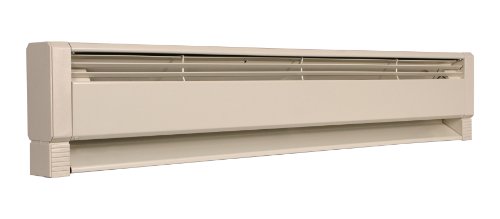
This Fahrenheat model offers 500 watts at 208/240 volts and is designed for hard-wired installation. Its convection-based heat delivery minimizes noise and avoids disruptive pops associated with traditional baseboards. The fanless operation reduces circulating dust and allergens, contributing to better indoor air quality. An overheat protection feature helps prevent operation when airflow is blocked, adding a layer of safety for occupied spaces. This unit is well-suited for retrofit projects and smaller commercial or residential rooms needing consistent warmth without added noise.
Qmark HBB2004 Liquid Filled Electric Hydronic Baseboard Heater

The Marley Qmark HBB2004 is a 2000-watt, 240-volt liquid-filled hydronic baseboard heater. Its liquid-immersed element provides steady heat and helps the room retain warmth after the unit is off, reducing temperature fluctuations. The heater operates without a fan, relying on natural convection to distribute heat evenly. Safety features include a thermal cutoff to prevent overheating, making it a robust choice for homes with varied flooring types and activity levels. It is especially appropriate for larger rooms needing sustained warmth without noise.
Dayton Hydronic Electric Baseboard Heater (Commercial)

This Dayton model is designed for commercial applications with 208/240 VAC input. It emphasizes a conventional housing style and is positioned for reliable performance in office spaces, retail environments, or other larger rooms where a steady heat source is essential. With its structured housing and straightforward installation, it provides a durable option for projects requiring robust baseboard heating without extra frills or noise. The unit supports consistent heat output suitable for maintaining comfortable conditions in commercial settings.
Dayton Hydronic Electric Baseboard Heater, 120VAC
The 120VAC Dayton commercial baseboard heater delivers substantial heat with a 5118 BTU rating, suitable for larger rooms or upgraded commercial spaces. Its 1-phase design and conventional housing support easy integration into existing electrical layouts. This unit emphasizes durability and steady heat output, making it a practical option for spaces requiring reliable heating with minimal noise and maintenance.
Buying Guide: Key Considerations for Hydronic Baseboard Heaters
- Room size and heat load: Match wattage and BTU ratings to the target space. Larger rooms may require higher wattage units or multiple heaters for even distribution.
- Voltage and electrical setup: Confirm available wiring (120V, 208/240V) and whether the heater is designed for hard-wired installation or plug-in use. Some commercial spaces prefer hard-wired configurations for reliability.
- Convection vs. convection-with-fan: Hydronic baseboards rely on natural convection. Fans add heat distribution speed but can circulate dust; many homeowners prefer fanless designs for quiet operation.
- Surface temperature and safety: Lower surface temperatures reduce burn risks around children and pets while maintaining comfortable warmth.
- Noise level: Look for models marketed as whisper-quiet or with no fan for environments requiring minimal ambient sound.
- Safety features: Thermal cutoffs, overheat protection, and auto shutoff help prevent hazards in spaces with limited airflow or obstructions.
- Durability and maintenance: Consider corrosion resistance, protective coatings, and ease of cleaning, especially in homes with pets or high dust exposure.
- Installation and compatibility: For commercial applications, ensure housing style, mounting options, and electrical panels align with existing infrastructure.
- Energy efficiency: Review efficiency ratings and operating costs over the heater’s lifespan; properly sized units reduce energy waste and maintain steady comfort.
Buying tips include evaluating the space’s insulation, ceiling height, and typical occupancy. When comparing models, prioritize heat consistency, safety features, and noise level to achieve a balanced and comfortable environment across different rooms and seasons.