Best Concrete Patching Solutions for DIY Repairs
Choosing the right concrete patching product can extend the life of driveways, floors, foundations, and walls. This guide highlights five reliable options designed for interior and exterior use, covering cracks, holes, spalls, and surface defects. Each option offers distinct advantages—from quick-set epoxy patches to long-lasting sealers that protect repaired areas from future damage. The selections below are organized to help homeowners and professionals compare performance, application, and environmental considerations at a glance.
Summary of selected products
| Product | Brand | Primary Use | Key Benefit |
|---|---|---|---|
| Akona Pre-Mixed Concrete and Stucco Patch | Akona | Interior/Exterior patches | No mixing required; strong adhesion |
| ABATRON Abocrete Kit | Abatron | Self-leveling epoxy patches | Permanent, rebuilds concrete surfaces |
| 1 Gallon All Purpose Concrete Sealer | OAIEGSD | Surface sealing | All-weather protection; water repellency |
| Epoxy Concrete Patching Compound #7 Quart Kit | Fas Stone | Large patching jobs | Excellent adhesion; can be drilled after cure |
| MAX Bond THIXOTROPIC Epoxy Glue | The Epoxy Experts | Void filling and patching | Non-sagging; high strength |
Akona Pre-Mixed Patch for Concrete and Stucco

Product details emphasize versatility for minor cracks, holes, and surface defects in concrete or masonry. The Akona patch is designed for both interior and exterior use, with high-strength adhesion suitable for vertical or horizontal repairs. A major advantage is its ready-to-use format—no mixing required—which simplifies handling for DIY repairs. Suitable for walls, floors, and other surface repairs, this patching material aims to provide a durable repair with a smooth, blendable finish.
In practice, users should prepare the damaged area by cleaning away loose material and dampening if necessary to improve adhesion. The ready-to-use paste allows for feathered edges to blend with the surrounding surface. While it excels on small to medium defects, larger voids may require a deeper repair strategy or a multi-coat approach. Surface prep and proper cure times remain essential for best results.
ABATRON Abocrete Kit Self-Leveling Patching

The Abocrete Kit is a self-leveling concrete epoxy patching compound designed for bonding, leveling, filling, rebuilding, and resurfacing concrete surfaces. It’s particularly suited for repairing pitted, spalled, worn, or cracked concrete and is described as well-suited for salt-damage repairs. The formula is positioned as a permanent repair solution, capable of bonding broken pieces and filling voids in floors, steps, and other surfaces. A key environmental note is that it’s Greenguard certified with very low VOCs, resulting in a low odor and a cleaner repair process for users and the environment.
Application guidance emphasizes proper mixing, surface preparation, and consistent layering to achieve a level finish. Because it’s self-leveling, small imperfections can be smoothed with a trowel or plastic screed. Cure times and temperature ranges influence final strength, and for large structural repairs, follow manufacturer guidelines to ensure optimal performance. Its low odor and environmental credentials make it a favorable option for indoor repairs where ventilation may be limited.
OAIEGSD 1 Gallon Concrete Sealer

This all-purpose concrete sealer provides penetrating, long-lasting moisture and stain protection. It’s designed for driveways, patios, pavers, and exterior surfaces, forming a waterproof barrier that helps prevent future damage. The sealer is marketed as suitable for a variety of outdoor substrates, including bricks and stamped concrete, and as a durable option for weather resistance. It’s compatible with multiple surface types, which means it can serve as a unifying protective layer for mixed concrete installations.
Ease of application is highlighted by roller, sprayer, or brush use, with a quick-drying formula intended to reduce downtime. For outdoor use, multiple coats may be recommended depending on surface porosity and climate. While sealers do not repair structural defects, they are a critical preventive measure that supports the longevity of patched areas by limiting water intrusion and freeze-thaw damage.
Epoxy Concrete Patching Compound #7 Quart Kit
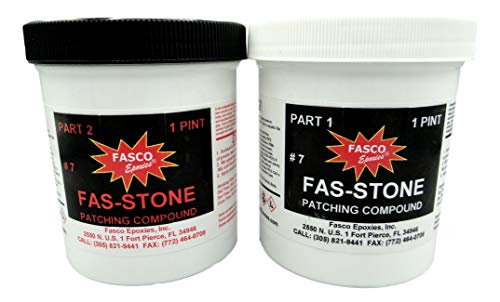
The Fas Stone Epoxy Concrete Patching Compound kit offers strong adhesion to concrete and other substrates like aluminum, metal, wood, and fiberglass. Once cured, it can be drilled or tapped, making it suitable for repairs that require subsequent fastening. The epoxy formulation helps fill voids and repair damaged sections with a durable, high-strength bond. The product is positioned for larger patching jobs and for areas that may experience load or vibration, where superior bonding is important.
Preparation and mixing are important to ensure proper cure and performance. Even with high adhesion, surface preparation—clean, dry, and free of contaminants—is essential. Consider temperature and humidity guidelines to maximize cure strength and avoid extended work times or premature setting in hot conditions. As with many epoxies, ventilation is recommended during mixing and application due to potential fumes.
MAX Bond THIXOTROPIC Epoxy Glue for Patching

MAX Bond THIXOTROPIC epoxy is engineered for strong bonds and void filling across metal, wood, concrete, FRP, and stone. Its thixotropic, non-sagging consistency prevents slump on vertical surfaces, making it suitable for patches on walls, columns, or high vertical cracks. The epoxy is designed to meet strict specifications and can adhere to a wide range of substrates, providing a robust repair that resists further movement after curing.
This product is used where structural strength and a quick return to service are required. Surface preparation, proper mixing ratios, and cure conditions are critical to achieving expected results. Consider compatibility with the substrate and potential needs for post-cure machining or drilling. Epoxies like MAX Bond typically provide long-term durability but require careful handling and adequate ventilation during mixing and application.
Buying Guide for Concrete Patch and Repair Materials
Surface assessment
Identify whether repairs are cosmetic or structural. Hairline cracks may require slim patches or sealers, while larger voids or spalls often demand epoxy or self-leveling compounds. For exterior surfaces, consider freeze-thaw resistance and water penetration risk.
Material type and bonding
Choose patch materials based on the surface (concrete, masonry, metal), required adhesion strength, and whether the patch must be self-leveling. Epoxy-based patches provide strong, durable bonds, while acrylic or cementitious patches are easier to apply but may have lower long-term strength.
Application method
Ready-to-use pastes offer convenience for small repairs, whereas kits requiring mixing are better suited for larger jobs. Self-leveling formulas help achieve flat surfaces for floors, while non-sag thixotropic epoxies work well on vertical surfaces.
Cure time and conditions
Consider ambient temperature, humidity, and surface temperature. Some patches cure quickly, enabling faster service restoration, while others require longer curing under controlled conditions. Low-VOC and GREENGUARD-certified options reduce indoor exposure during repair projects.
Environmental and health considerations
Low-odor, low-VOC formulations minimize exposure and environmental impact. For indoor repairs, select products with certifications indicating safer aerosols and fewer emissions. Ventilation remains important during application of epoxy and solvent-based products.
Compatibility with existing substrates
Ensure the product adheres well to concrete, brick, stone, or metal surfaces present in the project. For repaired floors receiving traffic, select products with high abrasion resistance and the ability to be drilled or fastened if needed after curing.