Best Water Tank Level Sensor Solutions for Home and RV Use
Finding a reliable water tank level sensor is essential for preventing dry runs, overflows, and unexpected interruptions in water supply. The following picks cover a range of technologies—from WiFi-connected ultrasonic sensors to battery-powered float sensors and RV-specific panels—so you can find a model that matches your tank type, installation space, and monitoring preferences. Each option listed below includes a quick look at core features to help you compare at a glance.
Summary of selected products
- Moray ELEC ME201W Tuya Smart Life — WiFi ultrasonic tank level sensor with IP65 protection
- briidea RV Tank Sensor Monitor Panel — RV fresh water tank monitoring with LED indicators
- MySpool Water Level Alert — Battery-powered float sensor with text and email alerts
- Mopeka Pro Check Universal Sensor — Bluetooth ultrasonic sensor for propane, water, and more
- Risinglink Smart Water Level Monitor — WiFi-enabled, battery-powered with multi-channel alerts
Moray ELEC ME201W Tuya Smart Sensor

The Moray ELEC ME201W uses ultrasounds to gauge liquid levels across a broad range, delivering a measurement distance from 10 cm to 4 meters. It supports 2.4 GHz WiFi for smart home integration and runs through the Tuya platform, allowing remote monitoring via a mobile app. It comes with a power adapter (100-240V AC input, 5V DC output) ensuring a steady supply for consistent readings. The sensor’s IP65-rated housing provides resistance to water and dust, suitable for tank environments where moisture exposure is possible. Deployment benefits include real-time alerts, remote visibility, and easy router integration for wireless control of multiple tanks or tanks in different locations.
Important considerations include ensuring the tank size aligns with the sensor’s measurement range and confirming WiFi coverage is robust in the installation area. The ME201W is well-suited for homeowners who want a modern, connected solution with centralized control and alerting, particularly when paired with other Tuya-compatible devices for automated actions or routines.
briidea RV Tank Sensor Monitor Panel

The Briidea micro monitor system is designed specifically for RV fresh water tanks, enabling timely top-ups and preventing tank depletion. The kit includes all necessary materials, so you won’t need to buy additional sensing electrodes. A note of caution for accuracy: metal tanks may affect readings, and correct installation is emphasized. For setup, it’s recommended to place the sensor in the middle of the water tank and ensure the surface stays dry during calibration. The system’s compact design fits into RV monitoring configurations without requiring a full home network, offering a practical, plug-and-play solution for recreational vehicles and camper applications.
Strengths include simplicity of installation, bundled components, and a focus on RV-specific use cases. Limitations may involve calibration nuances with metal tanks and ensuring compatibility with tank dimensions before purchase. This solution is ideal for RV owners seeking a ready-to-install monitor that delivers straightforward visual indicators and reliable reminders when water levels dip.
MySpool Water Level Alert
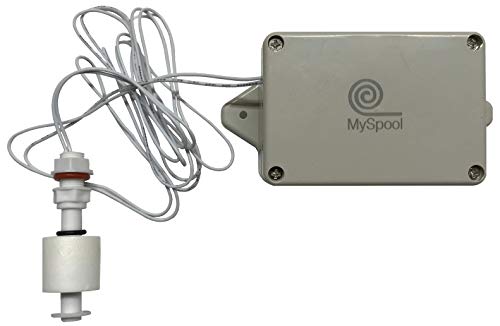
The MySpool Water Level Alert combines a battery-powered wireless detector with a float sensor and a simple mounting bracket. It supports text message and email notifications when water level changes are detected, and its battery-powered design means no hub or app installation is required beyond the MySpool setup. The waterproof float sensor includes a rugged enclosure for protection of electronics, and its default high-water setting can be flipped to monitor for low water in applications like aquariums, ponds, or storage tanks. A key advantage is standalone operation with reliable alerts without ongoing subscription costs or additional infrastructure.
Potential drawbacks include the need to replace or recharge batteries over time and ensuring the float sensor location remains accessible for mounting and maintenance. This type of sensor is well-suited for users who want a simple, standalone alert system for single-tank monitoring with multiple alert channels to cover household and outdoor applications.
Mopeka Pro Check Universal Sensor

The Mopeka Pro Check Universal Sensor uses Bluetooth and ultrasonic technology to monitor levels in diverse tanks, including propane, water, diesel, and other liquids. It advertises an accuracy of 99.5%, making it a precise option for a range of container types, including outdoor and in-the-elements monitoring scenarios. The battery life is designed to last up to five years, supporting long-term use without frequent maintenance. While highly versatile, users should verify compatibility with their tank materials and ensure Bluetooth access within the monitoring area. It can be a robust choice for campers, grills, and RVs that need dependable, low-maintenance sensors with long battery life.
Considerations include Bluetooth range limitations, compatibility with metal or composite tanks, and the need for occasional battery checks. For those seeking a multi-tank solution with strong accuracy and a long-lasting battery, the Pro Check Universal Sensor offers broad applicability beyond propane to include various liquid tanks in domestic and mobile settings.
KUS USA SSL Fuel & Water Level Sensor

The KUS SSL Fuel & Water Level Sensor provides a compact measurement approach with a 12V/24V operating voltage and a simple 12V/24V compatibility. It offers a 240 ohms to 33 ohms signal output and SAE 5-hole mounting pattern, making it a versatile option for integration with various vehicle, marine, or industrial systems. This sensor is oriented toward professionals seeking a robust, low-profile sensor that can be mounted in limited spaces while delivering clear electrical interface compatibility for automotive or vessel applications.
Strengths include flexible mounting and straightforward electrical integration. Potential limitations are a narrow focus on specific mounting patterns and the need for compatible wiring. This sensor is appropriate for users who require a compact, rugged sensor with standard electrical interfaces for automotive or equipment dashboards and monitoring panels.
Risinglink Smart Water Level Monitor

The Risinglink monitor is a WiFi-enabled device that works with 2.4 GHz networks and does not require a separate app or hub. It supports email and text alerts for high or low water levels, normalizing state changes, and even battery status updates. One highlight is the ability to register multiple contacts—two phone numbers and up to four email addresses—providing redundancy for alert delivery. The device is designed for indoor and outdoor use, with battery operation enabling flexible placement in various tank configurations. Users should verify the device’s reliability in environments with weak WiFi signals to maintain consistent alerting.
Considerations include WiFi dependence, signal strength in outdoor installations, and battery maintenance. Risinglink provides a strong balance of ease-of-use, broad alert options, and multi-contact notifications, making it suitable for households, cabins, and remote RV setups requiring dependable remote monitoring and alerts for changing water levels.
Buying Guide: Key Considerations When Choosing a Water Tank Level Sensor
- Technology and measurement range: Ultrasonic sensors (distance-based) suit larger tanks, while float-based or capacitive sensors excel in compact spaces or specialized liquids.
- Connectivity: Decide between WiFi (remote monitoring via an app or cloud), Bluetooth (local proximity), or standalone alarm systems. Consider existing smart-home ecosystems (Tuya, HomeKit, etc.) for automation.
- Power and installation: Battery-powered options offer flexible placement but require periodic battery checks. AC-powered sensors provide continuous operation but may need wiring considerations.
- Tank material and placement: Metal tanks can affect readings for some sensors; installation location (middle of tank, top, bottom) affects accuracy and maintenance.
- Alerts and notifications: Look for multiple notification channels (text, email, app push) and ensure the ability to designate additional recipients for alerts.
- Environment and durability: IP ratings, waterproofing, and weather resistance are important for outdoor or RV installations.
- Compatibility and expansion: If you want to monitor multiple tanks, check whether the system supports multi-tank setups and easy scaling.
- Calibration and maintenance: Some systems require periodic calibration, especially with unusual tank geometries or materials. Review setup guidance and support resources.
The best choice depends on your specific application: homeowners seeking seamless smart-home integration may prefer WiFi-enabled ultrasonic sensors; RV owners often favor plug-and-play monitor panels or battery-powered alerts; and professionals may prioritize multi-tank compatibility and rugged, weatherproof designs. Consider tank size, material, desired alert channels, and installation constraints to select a sensor that provides reliable monitoring and timely notifications without adding unnecessary complexity.