Best Wax for Wood: Top Polishes and Conditioners for a Rich, Lasting Finish
Wood care waxes and polishes protect, nourish, and enhance the natural beauty of wood surfaces. The right blend of beeswax, carnauba wax, and conditioning oils can restore luster to furniture, cabinets, cutting boards, and decorative pieces while forming a protective barrier against daily wear. The following selections represent a range of waxes and polishes designed for different wood projects, from antique furniture refinishing to kitchen prep tools.
| Product | Brand | Main Use |
|---|---|---|
| Howard Products Beeswax Wood Polish & Conditioner, Feed-N-Wax for Wood Furniture Polish, 16 oz, Orange | HOWARD | All-around wood conditioner and polish; enhances grain and depth |
| Minwax Paste Finishing Wax, 16 oz., Natural Finish | Minwax | Finishing wax for furniture, antiques, cabinets; hand-rubbed luster |
| Walrus Oil – Wood Wax, 3 oz Can, FDA Food-Safe | Walrus Oil | Food-safe wood wax for cutting boards and kitchen tools |
| Howard Products Feed-N-Wax Wood Polish & Conditioner, 8 oz, Orange | HOWARD | Polishes and protects wood surfaces; enhances natural grain |
| The Original Bee’s Wax Old World Formula Furniture Polish – 2 Pack | The Original Bee’s Wax | All-purpose furniture polish for wood and more; fingerprint-free finish |
Howard Beeswax Wood Polish & Conditioner, 16 oz
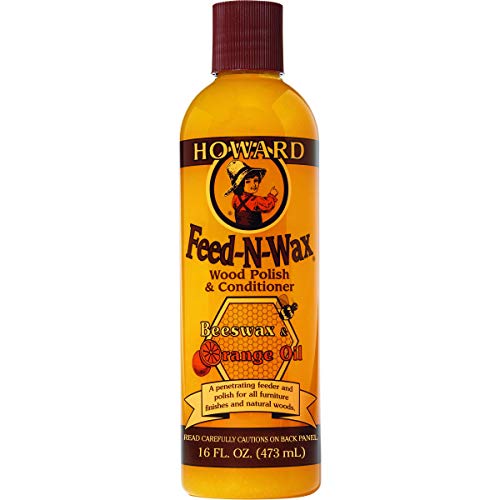
Howard’s Feed-N-Wax blends beeswax, carnauba wax, and orange oil to restore natural beauty while forming a protective layer on finished and unfinished wood. The orange oil helps release the grain’s depth, producing a warm, natural sheen that elevates antiques, dining tables, and cabinetry. The wax coating protects against minor wear and tear, making it a practical choice for daily upkeep of wooden furniture. This product is versatile enough to be used on both new and older pieces, helping to maintain a soft luster without creating a heavy wax buildup.
Usage guidance emphasizes applying a thin coat, allowing it to penetrate briefly, and then buffing to a soft glow. This approach can rejuvenate dull surfaces and enhance color without sacrificing the natural character of the wood. The formulation benefits a broad range of wood types and is often chosen by hobbyists and professionals who want a simple, effective finish that combines conditioning with polish.
Minwax Paste Finishing Wax, 16 oz
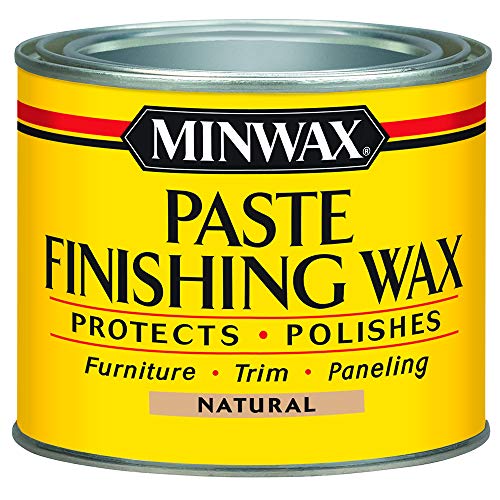
Minwax Paste Finishing Wax provides a hand-rubbed look on finished wood surfaces. It is designed for furniture, antiques, woodwork, cabinets, doors, and other wood features that do not require a hard polyurethane topcoat. The paste consistency makes it easy to apply a thin, even layer across a broad area; after drying for about 10-15 minutes, it can be buffed with a cloth, a weighted buffer, or an electric polisher to deliver a durable sheen.
Minwax emphasizes two practical steps: thoroughly clean the surface before application and apply a very thin layer to achieve the best results. This product is particularly popular for people seeking a refined, natural-looking finish that preserves the tactile feel of the wood while enhancing color depth. It’s a solid choice for vintage furniture projects and for refreshing older pieces without heavy refinishing.
Walrus Oil Wood Wax, 3 oz
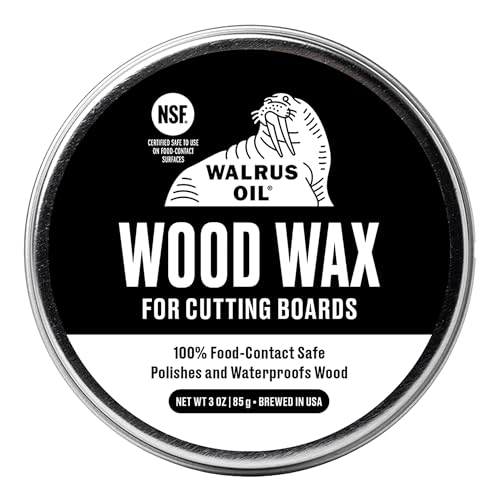
Walrus Oil Wood Wax combines a food-safe formula with a straightforward application for cutting boards and kitchen tools. The product is produced in the USA and is designed to be a protective, conditioning layer that remains safe for contact with food surfaces. This wax is particularly appealing for kitchen-related woodwork where moisture resistance and a non-toxic finish are priorities. It’s a good choice for maintaining wooden cutting boards, bowls, and utensils without imparting a strong odor or taste to foods.
Walrus Oil emphasizes usability and safety, making it a practical option for users who require a wax that performs well on both decorative and functional items. Its FDA-compliant status reassures consumers who value food-grade standards in household wood care products.
Howard Products Feed-N-Wax Wood Polish & Conditioner, 8 oz

This 8-ounce version of Howard’s Feed-N-Wax offers the same benefits in a smaller package: a blend of carnauba wax, beeswax, and orange oil that brings out natural grain while forming a protective layer. The product is suitable for antiques, dining tables, kitchen cabinets, doors, and trim. The orange oil component helps loosen the grain’s depth, allowing the wax to penetrate and preserve color. It is well-suited for periodic maintenance, helping to extend the life of wood finishes between more intensive refinishing sessions.
As with other Howard formulations, the emphasis is on balancing beauty and protection. The wax can be used on both newly finished surfaces and older pieces that require revitalization without altering the original character of the wood. Periodic application can help areas prone to wear, like edges and high-traffic surfaces, stay vibrant longer.
Howard Beeswax Wood Polish & Conditioner, 4.7 oz

This smaller variant mirrors the 16-ounce formulation, combining beeswax, carnauba wax, and orange oil to highlight natural grain and protect wood surfaces. Its compact size makes it ideal for touch-ups, smaller furniture pieces, and pieces not regularly waxed. The conditioning action helps maintain the wood’s color and depth, making it a reliable option for everyday maintenance and routine care of finished or unfinished wood.
Impresa Wood Drawer Wax Lubricant Paste

Impresa’s Wood Drawer Wax Paste serves a different purpose within the wood care space: lubrication for moving parts. It is formulated to reduce friction in drawers, hinges, tracks, and other wooden moving components. While not a traditional surface polish, applying a thin layer can eliminate squeaks and help drawered furniture glide smoothly. This product is particularly useful for older furniture or pieces with stubborn hardware that benefits from precise, targeted lubrication without spray solvents or oily residues.
The Original Bee’s Wax Old World Formula Furniture Polish – 2 Pack
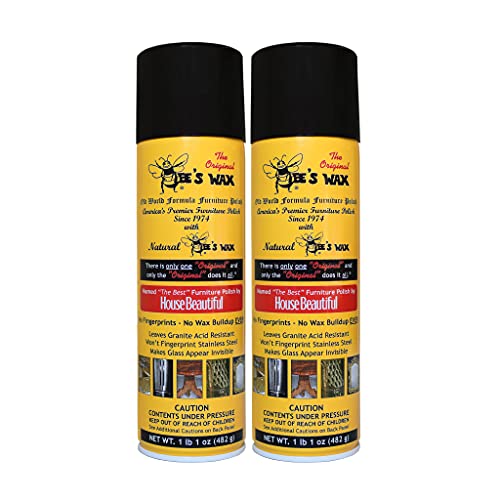
The Original Bee’s Wax Old World Formula Furniture Polish stands out for versatility across materials. It’s marketed for wood, leather, stone, glass, and metals, promising a fingerprint-free finish with minimal buildup over time. This broad-use polish is favored by users who want a single product that can maintain multiple items in a home or studio. For wood specifically, it offers a cleaner, refined glow and a protective sheen without a heavy wax layer that can alter texture or color.
Buying Guide: Key Purchase Considerations For Wood Wax And Polish
- Finish goals: Decide whether you want a soft luster, a high-gloss look, or a natural matte finish. Waxes vary in how much shine they produce and how they interact with existing finishes.
- Surface compatibility: Consider whether the product is designed for finished wood, unfinished wood, or cutting boards and kitchen tools. Food-safe formulas are essential for food-contact surfaces.
- Ingredients and scent: Beeswax, carnauba wax, and orange oil are common. If odors are a concern, seek unscented or lightly scented options.
- Application method: Some products require buffing with a cloth or machine, while others are straightforward hand rubs. Paste waxes often need longer curing times than liquid polishes.
- Maintenance interval: Heavily used surfaces may require more frequent reapplication, whereas antiques and heirloom pieces might benefit from gentler, periodic upkeep.
- Safety and origin: Look for US-made products and FDA-compliant formulations when applying to food-contact surfaces like cutting boards and bowls.
- Versatility vs. specialty: Some waxes are multi-surface polishes; others are designed specifically for wood and feature deeper grain enhancement. Pick based on your primary use-case.
When choosing between a polish, a conditioner, or a dedicated wax, consider the piece’s function, the environment, and the level of protection you require. For furniture and cabinetry, a conditioner-based wax often provides both nourishment and a lasting finish. For kitchen tools, a food-safe option is essential. For vintage or antique items, a gentle approach that preserves patina may be preferred over aggressive cleansing or sealing.