Best Midi Wood Lathe for Hobbyists and Professionals
Finding the right midi wood lathe means balancing power, precision, and versatility. This guide highlights top midi lathes that fit a range of project sizes—from delicate spindle turning to bowls and larger bowls. Each model offers variable speeds, solid build quality, and features that help you achieve smoother finishes with less vibration. The selections below cover reliable brands and accessible price points, helping you choose a lathe that aligns with your woodworking goals.
Summary of chosen products:
- WEN 34035 6-Amp 14-Inch by 20-Inch Variable Speed Benchtop Wood Lathe
- FINDBUYTOOL Wood Lathe, 12″ x 21″ Benchtop Variable Speed Midi Wood Lathe
- JET 12″ x 21″ Variable-Speed Woodworking Lathe, 1 HP
- RIKON Power Tools VSR MIDI Lathe (RIK-70-150VSR)
- Delta Industrial 46-460 12-1/2-inch Variable-Speed MIDI Lathe
WEN 34035: 14″ X 20″ Benchtop Midi Lathe
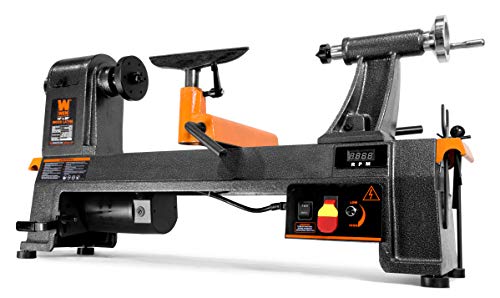
The WEN 34035 combines a sizable turning capacity with a compact benchtop footprint. Its 6-amp motor delivers ample torque for a variety of woods, and the variable speed range from 250 to 3550 RPM supports both delicate spindle work and fast material removal. A 4-inch faceplate is included to expand turning options for bowls, cups, and other non-spindle pieces. This lathe is designed for hobbyists who want a robust, reliable machine without stepping up to a full-size floor model.
Key features include a sturdy bed and user-friendly controls, with a focus on vibration reduction and consistent speed under load. For woodturners building bowls and vessels, the 14″ swing and 20″ distance between centers offer a practical balance between workload and workspace efficiency. While not the most feature-laden option at the price point, it provides reliable performance for a wide range of mid-size turning projects.
FINDBUYTOOL Wood Lathe: 12″ X 21″ Midi Lathe

The FINDBUYTOOL MIDI lathe emphasizes stability and speed versatility, making it suitable for robust hardwood turning as well as intricate spindle work. Powered by a 3/4 HP motor with a 6-amp draw, this model sustains steady RPM across its range. A cast-iron frame and solid mounting reduce chatter and vibration, crucial when shaping denser woods. With a variable speed control spanning 300 to 3500 RPM, users can switch from delicate threading to aggressive material removal with precision.
With a 12″ swing and 21″ bed length, the lathe accommodates longer spindles and larger diameters than smaller benchtop models. The cast-iron construction contributes to durability and consistent performance over time. The speed range is well-suited for a variety of woods, including maple, oak, and exotic species, and the design aims to keep belt changes intuitive for everyday use.
JET JWL-1221VS: 12″ X 21″ Variable-Speed Lathe

The JET JWL-1221VS is designed for mid-size turning with a performance-focused approach. Three optimized speed ranges (60-900/1100-1800/220-3600 RPM) enable a wide spectrum of operations without constant belt repositioning. A patent-pending belt tension system simplifies changes, while redesigned controls include a larger digital readout and a recessed power switch for safer operation. The 1 HP motor delivers reliable torque for larger bowls and heavy spindle work, and the lathe’s stability helps maintain accuracy during finishing passes.
With a 12″ swing and a 21″ bed, the JET lathe meets many hobbyist and light professional needs. The belt-driven speed shift and belt visibility during adjustments are practical benefits for users who value smooth transitions between tasks. The machine’s robust chassis is built to resist vibration, contributing to cleaner cuts and improved surface quality.
WEN LA3424: 12″ X 18″ 5-Speed Benchtop Lathe

The WEN LA3424 offers a compact, five-speed solution for turning smaller projects with a focus on safety and ease of use. The 4.5-amp motor and a 12″ by 18″ working envelope suit beginners and hobbyists who primarily work with pens, bowls, and light spindle work. Speed options include 520, 900, 1400, 2150, and 3400 RPM, giving versatility across different wood densities and finish requirements. A 3-1/8 inch faceplate is included for additional turning possibilities, expanding the range of doable projects without needing extra accessories immediately.
Stability is aided by a solid base and a design that minimizes vibration during cuts. The soft-start feature helps prevent sudden motor load, contributing to smoother starts and safer operation. This model is particularly attractive for workshop spaces where a balance between footprint and capability is essential.
VEVOR Benchtop Lathe: 10 x 18 Midi Machine

The VEVOR benchtop lathe is designed for professional-grade turning in a compact format. An 18-inch workbench and a 370W motor deliver a maximum speed of 3200 RPM, enabling fast stock removal while maintaining control during higher-tinish sessions. The 5-variable speed settings make it adaptable for various wood types, including hardwoods, softwoods, and composite materials. A sturdy aluminum alloy base and steel headstock contribute to reduced vibration, while the foot pads and user-friendly design support stable operation on a workshop bench. This lathe is positioned for users who need power in a space-conscious package.
Buying Guide: Midi Wood Lathe Purchase Considerations
Power and speed range
Look for a lathe with a motor that provides sufficient torque for hardwoods and large-diameter pieces, typically in the 0.5 to 1 HP range for mid to larger midi lathes. A wide RPM range (from slow for delicate cuts to fast for material removal) allows versatility from spindle work to bowl turning. Variable speed systems should be easy to adjust and maintain consistent output under load.
Swing and bed length
Swing refers to the maximum diameter you can turn over the bed, while bed length determines the maximum distance between centers. For bowls and longer spindles, seek lathe models with at least a 12″ swing and 18″ or longer bed. If your projects are predominantly pens and small bowls, smaller swing and bed lengths can be adequate and space-saving.
Stability and build quality
Stability reduces vibration, improves surface finish, and extends tool life. Cast-iron frames, heavy-duty beds, and well-designed belt systems contribute to smoother operation. Rubber feet or vibration-damping mounts help when mounting on a workbench. A pivoting belt cover or easy belt-change design is a plus for quick speed adjustments during a project.
Controls and accuracy
Digital RPM readouts and clear, tactile controls help maintain consistent speeds. A higher-quality belt tensioning system and accessible DRO (digital readout) improve repeatability, especially for complex turning sequences. Consider whether you need forward/reverse functionality for certain finishes or threading operations.
Accessories and compatibility
Faceplates, chucks, live centers, and tool rests vary between models. Ensure the lathe includes essential accessories or that affordable add-ons align with your planned projects. Compatibility with third-party accessories can extend the life and capability of the lathe.
Safety features
Soft-start motors, sturdy guards, and clear emergency stops are valuable, particularly for beginners. Look for protective features that reduce the risk of kickback and improve operator safety during adjustment and setup.
Price-to-performance balance
Midi lathes occupy a middle ground between compact benchtop models and full-size floor-standing machines. Evaluate the total value by considering motor power, speed range, stability, included accessories, and build quality. If you anticipate growing into more demanding projects, choose a model with features that scale with your skills.
Maintenance and warranty
Check for readily available replacement parts and service support. A longer warranty period is advantageous for equipment that experiences regular usage. Periodic belt changes, alignment checks, and motor health are part of routine maintenance that keeps performance steady over time.
In summary, the midi lathe category provides supportive options across a spectrum of project sizes and budgets. By prioritizing power, stability, and a versatile speed range, you can select a lathe that not only handles current needs but also accommodates future growth in wood-turning capabilities.