Best Foam Insulation for Soundproofing: Top Panels for Quiet Rooms
Finding the right foam panels for soundproofing can dramatically reduce noise and improve audio clarity in studios, home offices, or living spaces. This guide highlights five highly rated foam insulation products designed to absorb sound, minimize echoes, and fit a range of room sizes and budgets. Each pick prioritizes high-density foam, installation versatility, and fire-safety considerations, helping you choose the best panels for your space.
| Product | Brand | Approx. Coverage | Density | Notes |
|---|---|---|---|---|
| JBER 12 Pack Acoustic Foam Panels | JBER | ~12 sq ft | 30 kg/m³ | High-density, fire-retardant |
| Kaqiluo 2 Pack Acoustic Foam | Kaqiluo | ~11.6 sq ft | 50+ kg/m³ | Water and flame resistant |
| Saiqiang Acoustic Foam Panels | Saiqiang | ~12 sq ft | 30 kg/m³ | Wedges for extra absorption |
| GUERRI Sound Proof Panels | GUERRI | ~12 sq ft | 25 kg/m³ | Wedge design; flame retardant |
| Dmsky 12 Pack Panels | Dmsky | ~12 sq ft | 25 kg/m³ | Self-adhesive; easy installation |
The following selections emphasize high-density foam, easy mounting, and proven noise reduction across home studios, gaming rooms, and multi-purpose spaces. Each product is evaluated on absorption capability, installation flexibility, safety, and long-term value.
JBER 12 Pack Acoustic Foam Panels

These panels are built from 30 kg/m³ high-density polyurethane foam, designed to curb echoes and reverberations for clearer recordings and playback. The panels cover a sizable area (about 12 square feet) and are noted for rapid restoration to their original shape after unpacking, supporting durable performance in busy studios or offices. Fire-retardant properties provide additional safety in indoor spaces where compliance and peace of mind matter. The combination of density and flame resistance makes these panels a strong all-around option for sound absorption and room tuning.
Kaqiluo 2 Pack Acoustic Foam
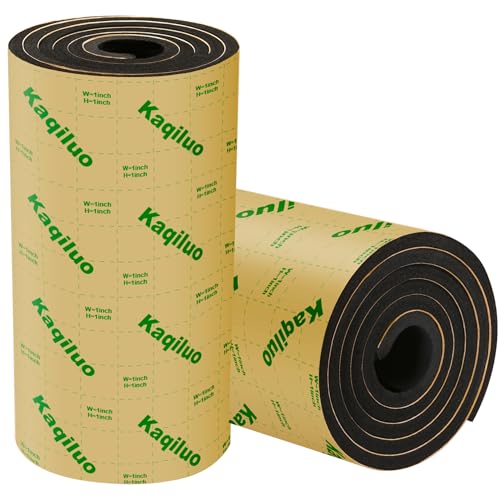
The Kaqiluo panels prioritize density, offering 50+ kg/m³ foam for more effective noise reduction. The two-pack provides substantial coverage and improved sound isolation, reducing flutter echoes and reflections within a room. These panels are designed to be flame resistant, with water resistance helping prevent issues in environments with moisture concerns. The higher density supports stronger sound dampening without dramatically increasing installation complexity, making them suitable for home studios and media rooms.
Saiqiang Acoustic Foam Panels
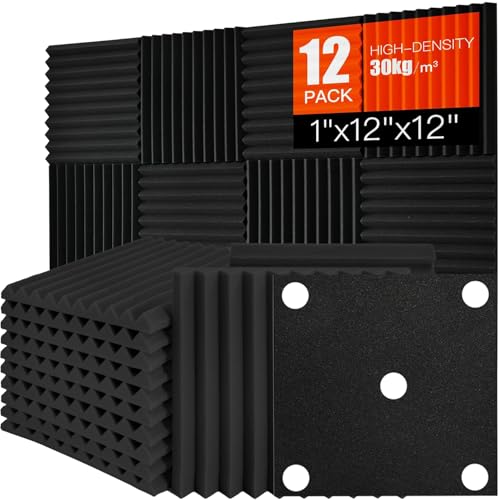
The Saiqiang panels use premium high-density foam (30 kg/m³) with a wedge configuration that enhances absorption across a broader frequency range. The wedge design helps in more evenly distributing sound energy, mitigating room modes and reflections. They are described as durable and long-lasting, intended for daily use in studios, offices, and home theaters. Practical self-adhesive backing aids rapid installation on walls or ceilings, offering a flexible, tool-free setup for quick acoustic fine-tuning.
GUERRI Sound Proof Panels

GUERRI panels feature a unique wedge surface designed to maximize absorption while also decorating the wall. The high-density foam (about 25 kg/m³) helps reduce echoes and flutter, supporting a balanced acoustic environment in recording spaces and work areas. The panels are marketed as flame retardant, addressing safety considerations for indoor use. They expand well after packaging and are compatible with standard mounting methods, making them a versatile option for room calibration and aesthetic enhancement.
Dmsky 12 Pack Panels

Dmsky panels offer a self-adhesive solution with a 12-pack configuration designed for straightforward installation on walls, ceilings, or other flat surfaces. The foam density aligns with other high-density options (around 25 kg/m³), supporting reliable echo reduction and smoother sound diffusion. The self-adhesive backing reduces setup time and mess, making these panels a practical choice for DIY acoustic treatment in home studios, gaming rooms, and office spaces.
Buying Guide: Key Purchase Considerations And Comparisons
When selecting foam for soundproofing, consider the following factors to ensure you choose the right product for your space:
- Density and absorption range: Higher-density foams (roughly 25–50 kg/m³) generally dampen echoes more effectively, especially in mid to high sound frequencies. Look for a balance between density and coverage to match your room’s acoustics.
- Panel geometry: Wedges or pyramid designs increase the surface area exposed to sound waves, improving absorption. Wall-to-wall coverage with a mix of shapes can create a more even acoustic environment.
- Installation method: Self-adhesive panels offer quick setup, but traditional mounting can provide longer-term durability in high-traffic spaces or walls that need frequent reconfiguration. Ensure compatibility with your wall type (drywall, plaster, concrete).
- Fire safety: Flame-retardant materials and third-party certifications add a safety margin for indoor spaces. This is particularly important in home studios, bedrooms, and shared living areas.
- Durability and maintenance: Durable foams resist crushing and maintain acoustic properties over time. Some foams are more water-resistant, which can be advantageous in basements or humid rooms.
- Aesthetic fit: Consider color and finish that complement your room’s decor. Black is a common choice for audio spaces, while lighter colors can blend into living areas.
- Budget and coverage: Evaluate the total area you need to treat. Larger rooms benefit from multi-pack sets with sufficient density and consistent performance across walls and ceilings.
- Compatibility with other treatments: Foam panels work well with bass traps, diffusers, and other acoustic treatments. For best results, plan a balanced treatment across low, mid, and high frequencies.
Overall, the five selections above provide a spectrum of densities, designs, and installation options to address common noise challenges in home studios, offices, and living spaces. For best outcomes, measure your room’s dimensions, map the primary reflection points, and begin with essential coverage before expanding to additional panels as needed.