Best Sound Insulation for Floors: Top Auto Floor Dampening Solutions
Choosing the right floor sound insulation can significantly reduce road noise, vibration, and heat transfer in vehicles. This guide highlights five effective floor-deadening products, comparing their materials, thickness, and installation practicality to help you select the best option for DIY projects or professional installs.
Summary of selected products (highlights and key features):
- KILMAT 80 mil: Thick, self-adhesive butyl mat for strong dampening with easy DIY installation.
- Siless Liner 157 mil (4 mm): Closed-cell foam with adhesive layer; excellent heat blocking and moisture resistance.
- Siless Liner 157 mil with Aluminum Foil Finish: Aluminum-enhanced version for extra heat reflection and durability.
- AggSound 394 mil (10 mm) Car Heat Sound Deadening Mat: High-density foam with multi-layer construction for robust noise and heat reduction.
- Dynamat Xtreme Tech Pack: Trusted, comprehensive 28 sq ft kit designed for broad coverage and vibration control.
Product Comparisons At a Glance
The following table provides a quick reference to thickness, coverage, and notable advantages for each product. This helps you weigh stiffness, weight, and ease of installation at a glance.
| Product | Approx. Thickness | Coverage | Key Benefit | Brand |
|---|---|---|---|---|
| KILMAT 80 mil | 80 mil | 36 sq ft | Very sticky, easy DIY installation; good overall dampening | KILMAT |
| Siless Liner 157 mil (4 mm) | 157 mil (4 mm) | 36 sq ft | Excellent heat blocking; adhesive is strong; moisture resistant | Siless |
| Siless Liner 157 mil (Aluminum Foil Finish) | 157 mil (4 mm) | 36 sq ft | Aluminum finish adds extra heat reflection; durable | Siless |
| AggSound 394 mil (10 mm) | 10 mm | 18.47 sq ft | Three-layer design for superior noise and heat reduction | AggSound |
| Dynamat Xtreme Tech Pack | Varies by sheet (pack) | 28 sq ft total | Pro-grade, broad coverage for doors, floors, and panels | Dynamat |
KILMAT 80 mil 36 sqft Car Sound Deadening Mat

KILMAT 80 mil automotive sound deadener uses butyl and foil layers to deliver solid floor dampening. The material is self-adhesive for straightforward installation, and the 80 mil thickness aims to provide substantial noise and vibration reduction. It weighs about 0.5 pounds per square foot, which supports effective insulation without excessive weight. The product’s thickness is promoted as increasing performance by roughly 1.5 times compared to thinner options, making it a strong choice for DIY projects seeking noticeable impact.
Siless Liner 157 (4 mm) Car Sound Deadening
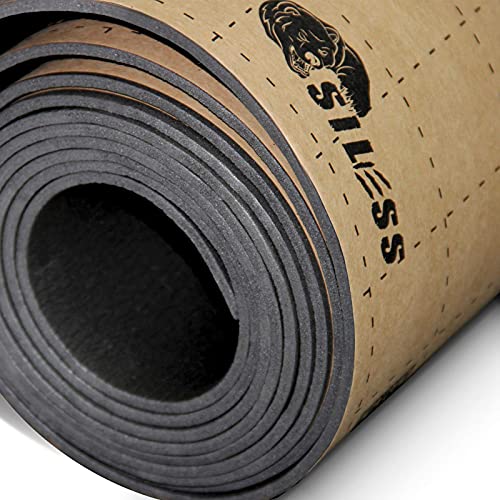
Siless Liner 157 mil uses closed-cell polyethylene foam with an adhesive layer to deliver efficient thermal insulation and moisture resistance. This liner provides a strong barrier against radiant heat transfer, helping maintain comfortable cabin temperatures. It is described as lightweight, waterproof, and highly flexible, making it suitable for various installation layouts, including complex floor contours. The product is marketed as offering similar performance at a substantially lower cost per square foot than some premium alternatives.
Siless Liner 157 mil (Aluminum Foil Finish)

This variant combines Closed Cell Foam with an aluminum foil finish to boost heat reflection and barrier performance. The adhesive layer helps with secure installation on vehicle floors, and the aluminum finish adds durability and extra resistance to radiant heat. Like the non-foil version, it emphasizes low moisture absorption and flexibility, catering to various vehicle shapes and floor profiles.
AggSound 394 mil (10 mm) Car Heat Sound Deadening Mat
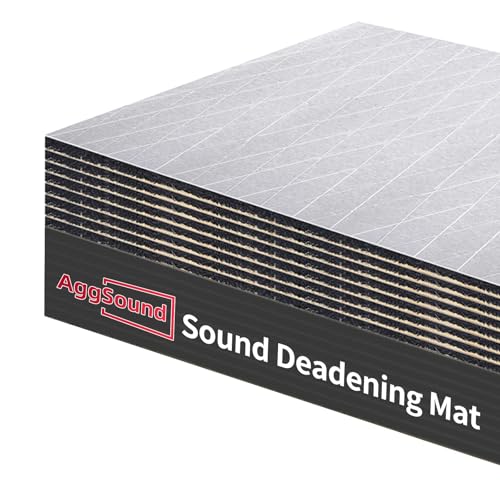
AggSound offers a robust three-layer construction with high-density foam, aluminum foil, and adhesive back. The 10 mm thickness is designed to maximize heat reduction and noise attenuation across floors, doors, roofs, or trunks. The product highlights durability and strong adhesion to withstand long-term vibration and exposure in automotive environments. It is positioned as a versatile option for serious soundproofing projects, including underbody and interior panels.
AggSound 394 mil (10 mm) Floor/Panel Deadening, 7 sq ft
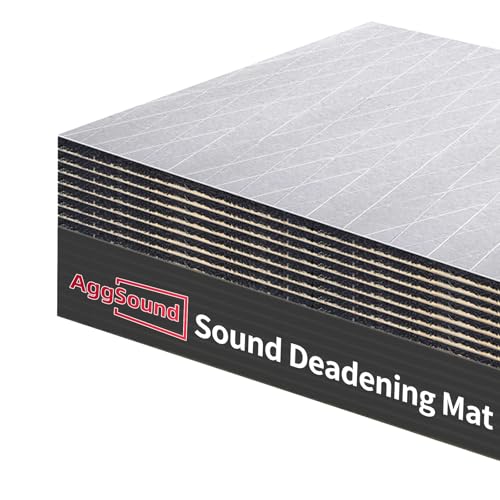
This AggSound option provides a compact 7 sq ft footprint with the same 10 mm multi-layer construction, focusing on areas that require targeted attenuation. It emphasizes strong adhesive properties and resilience against extrusion, with a design intended to stay in place during long-term use. Suitable for smaller floor sections or hotspots that demand focused dampening.
Buying Guide: How To Choose Floor Sound Insulation
Key considerations for selecting floor sound insulation include material type, thickness, and installation ease. Thicker, multi-layer products generally offer greater attenuation of both noise and heat, but may add weight and cost. Closed-cell foams are moisture resistant and flexible, while butyl-based mats excel at dampening low-frequency vibrations. Aluminum foils often improve heat reflection, which can reduce cabin heat absorption. Adhesive strength matters for DIY applications to ensure long-term adherence on uneven or cut surfaces. For large areas, consider kits that provide balanced coverage and predictable results. Finally, verify compatibility with your vehicle’s floor contours and any existing undercoating or moisture barriers.
Noise reduction performance is typically higher when a product combines a dense core with a reflective or foil layer, particularly for heat transfer concerns. Under-hood and floor areas may benefit from higher-thickness options like 10 mm, while general floor panels can be well-served by 4-6 mm products. A lightweight option may suffice for light-duty rides, but heavier vehicles or louder cabins often require more robust dampening.
Installation perspectives include DIY ease, durability of adhesive, and flexibility to fit irregular shapes. Some products provide pre-cut sheets for common vehicle models, while others require cutting and shaping. Consider the total project area and whether you want a modular kit (multiple sheets) or a single thick mat. It’s also useful to assess environmental exposure in your area—moisture resistance is a plus in humid climates or areas with frequent temperature swings.