Best Combination Lock for Door: Top Keypad Locks for Home Security
Choosing the right combination lock for a door means balancing security, ease of use, and installation. The following locks represent reliable keypad and mechanical options commonly used for front doors, entryways, and interior access control. Each product offers distinct features such as auto-locking, one-time codes, and durable construction to fit a variety of homes. The selections below prioritize straightforward installation, compatibility with standard doors, and multiple access methods to accommodate families, guests, and service professionals.
| Product | Key Features | Lock Type |
|---|---|---|
| TEEHO TE001 Satin Nickel | 20 user codes, one-time code, auto-lock, quick 2-second access | Keypad Deadbolt |
| Veise Keyless Entry Door Lock | 20 codes, two spare keys, one-time code, auto-lock, backlit keypad | Electronic Keypad Deadbolt |
| Bravex Keyless Entry Keypad Deadbolt | Mechanical with optional keypad, Sabbath mode, no auto-lock | Mechanical/Keypad |
| Yamiry Keypad Smart Door Knob | 20 codes, one-time code, backlit keypad, weather resistant | Electronic Knob Lock |
| Elemake Keypad Door Lock | Mechanical, non-deadbolt design, single-hole door compatibility | Mechanical Keypad |
TEEHO TE001 Satin Nickel Keypad Deadbolt

The TEEHO TE001 combines a keypad entry with a smart locking system. It supports up to 20 user codes for family use, plus a one-time code for guests. An auto-lock feature can be set to engage after a specific period (10-99 seconds), and there is a convenient one-touch auto-lock by holding any keypad key for two seconds. Designed for front doors, this lock emphasizes straightforward installation and reliability in everyday use.
TEEHO TE001 Oil-Rubbed Bronze Version
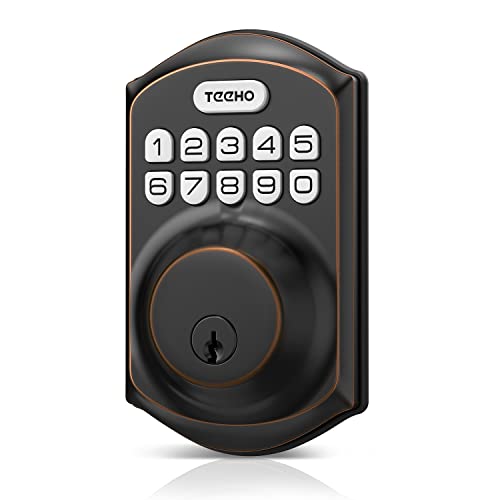
This variant of the TE001 offers the same core benefits—20 access codes, one-time guest codes, and smart auto-locking—with a different finish to suit more traditional door aesthetics. The underlying mechanism prioritizes ease of installation and dependable performance, making it a practical upgrade for households seeking a modern keypad experience without sacrificing classic styling.
Veise 2-Handle Keyless Entry Lock

The Veise lock integrates a backlit keypad for clear visibility in low light and supports twenty password codes plus two spare keys and a one-time password option for guests. It features auto-lock after a user-defined interval (10-99 seconds) and a one-touch lock by pressing any number for two seconds from the outside. The combination of a lever-handle design and weather-resistant construction makes it suitable for front doors and exterior access where both convenience and durability matter.
RETRIN 3-Digit Keyless Lock

The RETRIN lock focuses on a simple 3-digit numeric password system, providing up to 1000 possible combinations for access control. It’s positioned as a cabinet and door-latch style solution, suitable for interior doors, kitchen cabinets, and other storage where a compact, keyless option is desired. This product emphasizes straightforward installation and reliable digital access without a heavy hardware footprint.
Bravex 304 Stainless Steel Deadbolt
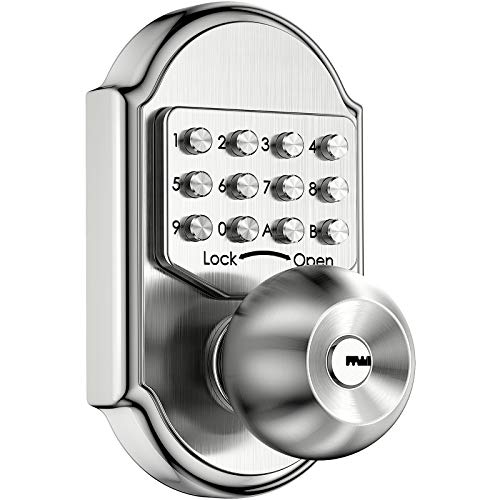
The Bravex keypad deadbolt combines 304 stainless steel construction with a mechanical and keypad option. It emphasizes a Sabbath-appropriate, non-auto-lock design and is marketed as highly resistant to prying. This lock suits doors where a robust mechanical backup is valued, and it is designed to perform reliably under everyday use without heavy power dependence.
Elemake Keypad Door Lock

The Elemake keypad lock is designed for single-hole doors and emphasizes a fully mechanical keypad without power requirements. It requires attention to door thickness and borehole dimensions and is noted for straightforward installation and durability in everyday use. It’s positioned as a practical solution for doors where a non-electronic approach may be preferred.
Yamiry Keypad Smart Door Knob

The Yamiry lock is a smart keypad knob lock that emphasizes 20 access codes with a one-time code option, a backlit keypad, and weather resistance. It offers easy installation in under 15 minutes and includes a key option as a backup. The product is designed for quick access and daily use, blending convenience with security for front doors in mixed climates.
Buying Guide: Key Purchase Considerations
When selecting a combination lock for a door, consider the following factors to match the right solution with your home and lifestyle:
- Access methods: Decide between electronic keypad, mechanical keypad, or a hybrid with a mechanical backup key. Electronic systems offer flexibility with multiple codes, but require batteries or power.
- Auto-lock vs manual: Auto-lock enhances security after entry but can be inconvenient for frequent visitors. Some models offer a one-touch lock feature for rapid securing after use.
- Installation compatibility: Check door type, thickness, borehole size, and whether the lock is designed for single-hole doors or requires additional drilling. Verify handedness (left/right) and whether the lock is suitable for exterior use or only interior doors.
- Durability and material: Stainless steel and zinc alloy housings improve resistance to weather, prying, and wear. Consider finishes that match existing hardware and resist corrosion in your climate.
- Power and battery life: For electronic models, review battery type, life expectancy, and low-battery alerts. Some locks offer battery-free mechanical operation as a backup.
- Privacy and security features: Look for features like backlit keypads for visibility at night, one-time codes for guests, Sabbath modes, and tamper alerts or mute mode for quiet operation.
- Maintenance and warranty: A longer warranty and straightforward replacement parts reduce long-term maintenance concerns. Ensure you have access to customer support if needed.
- Safety considerations: For homes with children or high-traffic entrances, choose locks with simple user codes, durability, and a backup access option (keys or mechanical override).
In choosing among these options, homeowners should weigh convenience against security. Mechanical models provide robust reliability without power dependence, while electronic keypad locks offer flexible access codes and guest management. Finishes and installation compatibility should align with door aesthetics and the surrounding hardware to ensure a cohesive look and smooth operation.