Best Pest Control Spray for Bed Bugs: Safe, Effective Options for Home
Bed bug infestations can be challenging, but selecting the right spray can help target adults, nymphs, and even eggs. This guide reviews five reliable, widely available options designed to help American homes reduce bed bug populations with safe application guidance. Each product focuses on fast-acting control, residual protection, or natural ingredients to support integrated pest management. The following selections emphasize accessibility, EPA-registered claims where applicable, and practical use on mattresses, box springs, furniture, and sleeping areas.
| Product | Brand | Volume | Highlights |
|---|---|---|---|
| Hot Shot Ready-to-Use Bed Bug Killer Spray | HOT SHOT | 32 oz | Kills bed bugs and eggs; interior use; water-based formula |
| EcoVenger Bed Bug Killer with Remote Sprayer | EcoVenger | 1 gal | Plant-based; kills all life stages; non-toxic |
| Mighty Mint Peppermint Oil Insect Repellent Spray | Mighty Mint | 16 oz | Plant-based, extra-strong peppermint formula; indoor/outdoor use |
| Harris Toughest Bed Bug Killer | HARRIS | 16 oz | Targets resistant bed bugs and eggs; quick knockdown; EPA registered |
| HARRIS Bed Bug Killer (Liquid Spray) | HARRIS | Gallon | Fast-acting; odorless and non-staining formula; indoor use |
Note: This summary highlights products frequently recommended for bed bug control and does not substitute for professional pest management. Always read the label for application instructions, safety precautions, and any surface restrictions before use.
Hot Shot Ready-to-Use Bed Bug Killer Spray
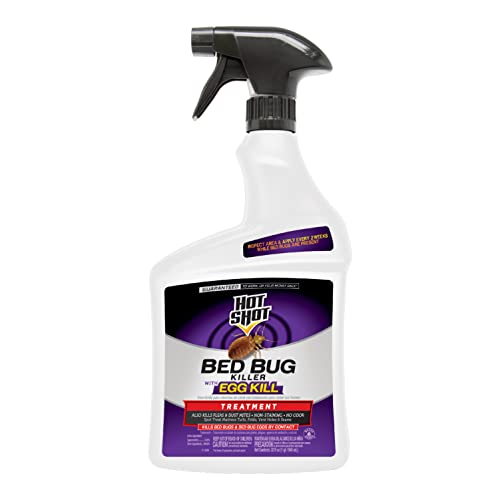
Hot Shot Bed Bug Killer is a ready-to-use, water-based spray designed to kill bed bugs at all life stages, including eggs, as well as fleas and dust mites. It is formulated for indoor use on common harborages such as mattress tufts, folds, seams, buttons, and creases. The product’s egg-kill capability is a notable feature for reducing reinfestation potential. Its non-staining, low-odor formula makes it a practical choice for bedrooms and living areas where occupants expect minimal residual odor. Use caution around pets, and apply only to surfaces that are not in direct contact with pets or their living areas. Consistent application of targeted treatments can disrupt bed bug activity and reduce population over time.
In practice, Hot Shot is well-suited for spot treatments and initial bed bug interventions, especially when paired with vacuuming and encasements. The product’s 32-ounce bottle format provides ample coverage for smaller rooms or apartments and allows for selective, high-focus applications on infested zones. For best results, treat infested seams and tufts on mattresses, bed frames, and nearby furniture, then monitor for activity and reapply as directed on the label. Consider rotating with a different active ingredient in a broader IPM plan to address potential resistance concerns.
Ecoseem Peppermint Oil Spray for Bugs

Ecoseem Peppermint Oil Spray leverages peppermint extracts as a primary active ingredient for indoor pest control. It is marketed as effective against bed bugs, mites, ants, and other common insects, with emphasis on safety for children and pets when used as directed. The natural base is described as plant-derived, with peppermint oil as the primary component, which can offer a pleasant aroma compared to harsher chemical formulations. While it claims fast action against numerous pests, prospective buyers should verify compatibility with specific surfaces and fabrics in their home. The spray is positioned for versatile use on sleeping surfaces and other areas prone to intrusion by pests.
In a practical setting, Ecoseem can be part of a natural pest management approach, particularly for households seeking non-toxic options. Users should apply in well-ventilated areas and follow spray timing guidelines to maximize efficacy. While peppermint-based products often provide a deterrent effect, they may require more frequent applications or additional non-chemical controls to address established infestations. For best outcomes, combine with integrated strategies such as encasements, vacuuming, and regular monitoring.
Mighty Mint Peppermint Oil Insect Repellent Spray
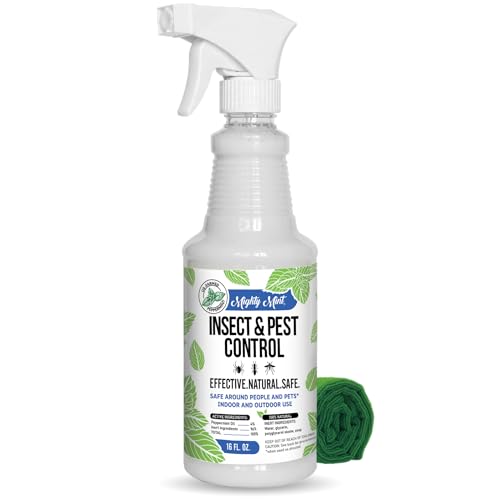
Mighty Mint offers a peppermint oil-based spray designed for indoor and outdoor use, with a focus on repelling a broad range of insects, including spiders, ants, roaches, and more. The formula emphasizes safety for families and pets when used as directed, highlighting its plant-based composition and lack of harsh chemical additives. The extra-strong peppermint action is intended to deter pests from treated areas such as baseboards, entryways, and living spaces. While the product is marketed as an insect deterrent rather than a guaranteed eliminator of established bed bug populations, it can serve as a preventive measure within a broader IPM plan. Surface compatibility and scent considerations are important for indoor use in bedrooms and sleeping areas.
For bed bug control, Mighty Mint can complement mechanical methods (vacuuming, laundering, encasements) by creating a scent barrier that may reduce nuisance issues and disrupt immediate activity. It is most effective as part of a continuous, integrated approach rather than a single solution. Homeowners should rotate with other active ingredients to minimize potential resistance and to address different life stages of bed bugs over time.
Buying Guide: Key Considerations for Bed Bug Spray Purchases
- Life stage efficacy: Look for products that claim to kill multiple life stages, including eggs, nymphs, and adults. This helps reduce reinfestation risk.
- Active ingredients: Plant-based or botanical formulas offer lower odor and potentially safer profiles, but may require more frequent applications. Chemical or EPA-registered products can deliver fast knockdown and residual protection.
- Surface compatibility: Check labels to confirm safe use on mattresses, box springs, furniture, and fabrics. Some sprays may stain or leave residues on delicate materials.
- Indoor safety and pets: If you have children or pets, prioritize products with low odor and non-toxic claims when used as directed. Follow all re-entry times and storage guidelines.
- Application method: Sprays with targeted nozzle patterns or remote sprayers can improve coverage on seams, tufts, and hidden crevices without over-wetting surfaces.
- Residual protection: Some formulas offer lasting protection, while others are best for spot treatments. Consider a combination approach for comprehensive IPM.
- Resistance considerations: Bed bugs can develop resistance to certain chemistries. Rotating among products with different active ingredients can help maintain efficacy over time.
- Surface cleaning: Before applying sprays, vacuum thoroughly to remove exposed bed bugs and eggs. Encasements for mattresses and box springs can enhance long-term control.
Practical usage tips
- Apply to sleeping surfaces, seams, folds, and edges where bed bugs hide. Avoid oversaturation, especially on fabrics that can retain moisture.
- Ventilate treated areas and follow label re-entry times to ensure safety for occupants and pets.
- Combine sprays with non-chemical strategies, such as heat treatment, laundering of bedding at high temperatures, and sealed encasements for mattresses and pillows.