Best Glue for Vinyl Flooring: Top Adhesives for a Strong, Lasting Install
Choosing the right glue for vinyl flooring is essential for a durable, professionally finished floor. The best vinyl flooring adhesives provide strong initial grab, long-term flexibility, and compatibility with concrete, plywood, and various vinyl substrates. This guide highlights five top options from reputable brands, outlining their key features, ideal applications, and performance considerations. Whether you’re installing vinyl composition tile (VCT), luxury vinyl tile (LVT), or vinyl-backed carpet tile, these selections help you weigh bond strength, cure time, water resistance, and ease of use.
Quick Reference Summary of Selected Products
| Product | Brand | Best For | Key Benefit |
|---|---|---|---|
| Roberts 2057-1 Vinyl Adhesive | ROBERTS | Vinyl composition tile installations | Quick dry, enhanced grab, solvent-free |
| Roberts Universal Resilient Flooring Adhesive | ROBERTS | LVT, VCT, vinyl-backed carpet tile | Pressure-sensitive, acrylic latex |
| Loctite PL Premium | Loctite | Wood, concrete, stone, and more | Three times stronger than ordinary adhesives |
| HH-66 Vinyl Cement | RH Adhesives | Vinyl repairs, inflatables, tarps (general vinyl) | Underwater stability, flexible cure |
| DAP 141 Multi-Purpose Floor Adhesive | DAP | General floor projects | Practical for diverse substrates |
Roberts 2057-1 Vinyl Adhesive for VCT Installing Vinyl-Composition Tile

Roberts 2057-1 uses a low-VOC, SBR latex-based formula designed for vinyl composition tile installations. This solvent-free adhesive offers quick dry time and enhanced grab, facilitating a solid initial bond. It is suitable for direct bond and tile-over-tile applications, and it bonds to concrete, APA-rated plywood, and existing materials such as aged cutback adhesive residue. Installation versatility includes bond to primed gypcrete and terrazzo, making it a versatile option for both new builds and renovation projects. The product is formulated to work with standard VCT installations while maintaining a strong, resilient bond as floors move slightly over time.
Key considerations: While the adhesive provides strong early grab, users should follow surface preparation guidelines—ensuring the substrate is clean, dry, and properly primed where required. Curing time varies with temperature and humidity, so plan around traffic patterns to minimize foot traffic during the initial set. Compatible with a range of vinyl substrates, it is a practical choice for projects where a solvent-free option is preferred, particularly in residential or light commercial settings.
Roberts Universal Resilient Flooring & Vinyl-Backed Carpet Tile Adhesive

This acrylic latex, solvent-free adhesive is designed for high initial strength and improved environmental footprint. It works well with luxury vinyl tile (LVT), luxury vinyl plank (LVP), vinyl composition tile (VCT), vinyl-backed carpet tile, and other resilient flooring formats. The bond forms with properly prepared concrete, flooring-grade plywood, steel, terrazzo, and other common substrates, including aged residues. Its versatility makes it a solid all-around choice for varied vinyl floor installations, especially in mixed-material spaces where different vinyl products abut one another.
Practical tips: Ensure a clean substrate and follow manufacturer guidance for open time and trowel size. This adhesive is suitable for environments where solvent emissions need to be minimized. For projects with radiant-heated subfloors or complex substrate conditions, confirm compatibility before application to avoid long-term bond issues.
Loctite PL Premium Polyurethane Construction Adhesive
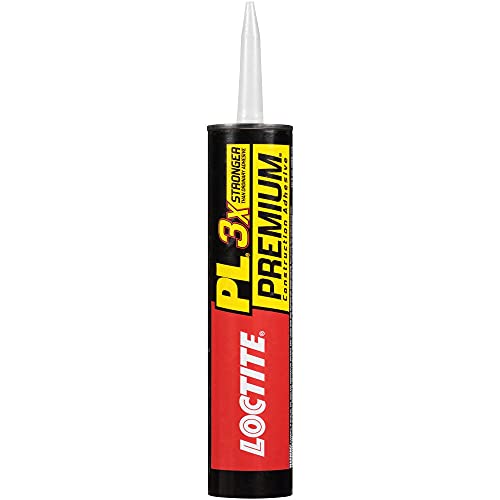
Loctite PL Premium is a versatile polyurethane construction adhesive that bonds to wood, concrete, stone, metal, and more. It is pitched as three times stronger than many traditional construction adhesives, offering robust performance for subfloor installations and other heavy-duty assemblies. The polyurethane formula expands to fill gaps, creating a strong, durable bond across uneven substrates—an important feature when working with older or irregular subfloors often found under vinyl flooring installations. It’s a practical choice for both residential and commercial projects where a strong, long-lasting bond is required.
Critical considerations: Expanding polyurethane glues can be more challenging to clean up and may require weather or humidity considerations during cure. Wear gloves and ensure adequate ventilation during application. Check substrate compatibility, especially with materials that may be sensitive to polyurethane expansion, to prevent oversqueeze or staining on visible surfaces.
HH-66 Vinyl Cement for Vinyl Repairs and Sealing

HH-66 Vinyl Cement is a dedicated vinyl adhesive designed for repairs, maintenance, and manufacturing involving vinyl materials. It is formulated to perform in a variety of conditions, including underwater applications, and remains flexible after curing. This makes HH-66 a favorable option for repairs on inflatable or water-exposed vinyl products, or for quick fixes on vinyl surfaces and components that may experience movement or flex. The brush-on application aids precise, controlled placement for small or detailed restoration work.
Considerations: While excellent for vinyl repair and flexible bonding, HH-66 is not always the primary choice for long-term floor installations on entire rooms. Use it for targeted repairs or occasional bonding rather than full-floor installations, and verify substrate compatibility for best results in flooring projects.
DAP 141 Multi-Purpose Floor Adhesive
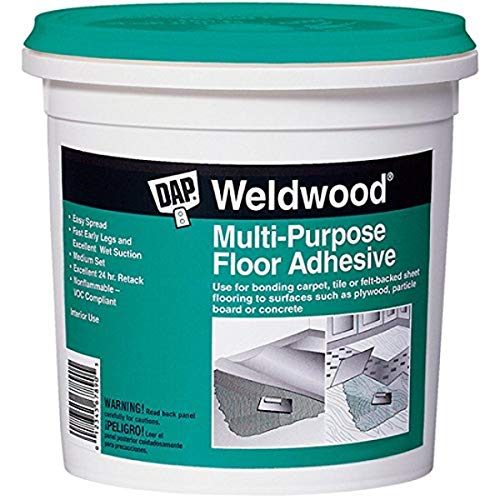
DAP 141 is a versatile, off-white, quart-sized adhesive designed for multiple floor applications. It’s positioned as a multi-purpose option, suitable for various substrates where a bond is needed across wood, concrete, ceramic, and other common floor materials. While it provides reliable performance for standard installations, its versatility makes it a practical choice for mixed-floor projects where multiple surfaces meet. As with any floor adhesive, surface prep remains critical: clean, dry, and properly primed surfaces will help maximize bond strength and longevity.
Usage guidance: Follow product-specific open time, pot life, and foot traffic guidelines. Consider the environment and humidity, as adhesive performance can vary with temperature and moisture. For larger rooms or high-traffic areas, balance cure time against project timelines to minimize disruption.
Buying Guide: Key Purchase Considerations And Comparisons
- Substrate compatibility: Choose an adhesive formulated for vinyl products and your substrate (concrete, plywood, or flooring-grade boards). Some products are optimized for VCT, LVT, or vinyl-backed carpet tile, while others are more general purpose.
- Open time and cure speed: If you need faster installations, look for adhesives with quick grab and rapid cure. For larger rooms or delicate substrates, longer open times can be advantageous.
- Bond strength and flexibility: A strong initial grab helps prevent tile shifting during the initial set, while long-term flexibility accommodates subfloor movement without cracking or debonding.
- Water and chemical resistance: Waterproof or water-resistant formulas are crucial for moisture-prone areas like basements, bathrooms, and kitchens. Consider exposure to cleaners or spills when selecting.
- VOC and environmental impact: For indoor environments, opt for low-VOC or solvent-free formulas to improve air quality and satisfy regulatory requirements.
- Application method: Some products come in squeeze tubes or cartridges, while others use brushes or built-in syringes. Choose a method compatible with your workflow and tool access.
- Repair vs. full-floor installation: Dedicated vinyl cement products excel for repairs, while high-performance construction adhesives are better for large installations and subfloor bonding.
- Long-term maintenance: After curing, assess how the bond behaves under foot traffic, cleaning agents, and potential moisture exposure over years of service life.
When selecting an adhesive, align your choice with the specific vinyl flooring type (VCT, LVT, or vinyl-backed carpet tile), room conditions, and traffic expectations. The five products highlighted here cover a spectrum from dedicated vinyl repairs to robust construction adhesives, offering options for both straightforward installs and complex projects with variable substrates. Always follow manufacturer guidelines for surface prep, application, and curing to maximize the adhesive’s performance and the floor’s longevity.