Best Floating Floors for Basements: Durable, Waterproof Options
Choosing a floating floor for a basement involves balancing moisture resistance, comfort, and installation ease. This guide reviews five top products that are well-suited for basement environments, focusing on underlayment, rigid-core vinyl, and modular flooring solutions. Each option supports floating installation, helps manage moisture, and offers durable performance for basements, dens, or home gyms.
Summary of chosen products
| Product | Brand | Type | Key Benefit |
|---|---|---|---|
| QuietWalk Underlayment | Quiet Walk | Underlayment | Moisture barrier, pre-attached pad compatibility |
| SPC Click Lock Hickory Plank | Suntecwood | Rigid Core Vinyl Plank | 100% waterproof, built-in underlay, pet-friendly |
| SPC Click Lock Oak Plank | Suntecwood | Rigid Core Vinyl Plank | Waterproof, quiet underfoot |
| SPC Click Lock Walnut Plank | Suntecwood | Rigid Core Vinyl Plank | Waterproof, durable finish |
| Big Floors GarageFlow Tiles | Big Floors | Interlocking Floor Tiles | Self-draining, slip-resistant, USA-made |
QuietWalk Underlayment 360 sq ft

QuietWalk Underlayment is designed for use under laminate and hardwood floors, and it is approved for floors with a pre-attached pad. The product provides broad compatibility with floating installations while incorporating a moisture barrier to protect against subfloor vapor. It enhances sound dampening and adds a comfortable feel underfoot, making it a practical choice for basement projects that require a reliable floating layer over concrete or subfloors.
SPC Click Lock Hickory Plank

This 5 mm thick SPC (Stone Plastic Composite) luxury vinyl plank features a rigid core for stability and a built-in underlayment. The 0.3 mm wear layer offers abrasion resistance suitable for high-traffic areas. It is 100% waterproof, making it suitable for basements prone to moisture. The plank is designed for floating installation without glue, and the attached IXPE underlay helps absorb sound, reducing footstep noise by up to 54 dB in some configurations. A strong choice for busy homes with pets or children.
SPC Click Lock Oak Plank

This Oak-style SPC plank shares the same construction and waterproof benefits as the Hickory variant, with a 0.3 mm wear layer and 3.2 mm rigid core. Designed for floating installation, it includes an attached underlay and a sound-reducing surface. Its durable finish resists scratches and spills, making it suitable for basements that see everyday family use or home offices where moisture control is important.
SPC Click Lock Walnut Plank
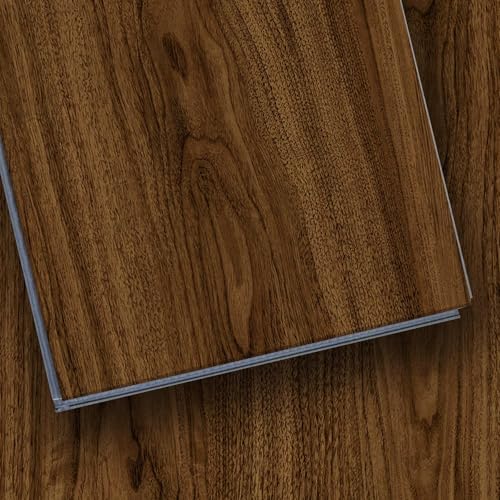
The Walnut variant offers the same waterproof rigid-core construction and floating-install suitability as other SPC planks. With a durable wear layer and integrated underlayment, it provides quiet underfoot and resilience against daily wear—from kids to pets. This option emphasizes long-term performance in basement living areas and recreational rooms where moisture and humidity may fluctuate.
Big Floors GarageFlow Tiles

This self-drifting modular tile system uses 12″ by 12″ copolymer tiles designed for easy, tool-free installation. The floating, interlocking tiles offer excellent airflow and drainage, reducing moisture buildup in garage or basement settings. The surface is slip-resistant and durable, making it a practical choice for workshop areas, basements, and other spaces that require a robust, low-maintenance floor solution.
Buying Guide: Key Considerations for Floating Floors in Basements
Moisture management matters most in basement settings. Look for products with waterproof cores or moisture barriers, and pair them with a proven underlayment when needed. Consider the following factors:
- Waterproof or water-resistant cores: Rigid core (SPC) options resist moisture, preventing swelling and warping.
- Underlayment compatibility: Some floating floors include integrated underlayment; others require separate layers for sound and comfort.
- Thickness and wear layer: Thicker wear layers provide better long-term durability, especially in high-traffic basements.
- Installation method: Floating installation is preferred for DIY projects; look for click-lock or tongue-and-groove designs for easy setup.
- Subfloor preparation: Ensure the basement slab is dry and flat. Moisture testing and subfloor leveling may be necessary.
- Sound and comfort: Integrated or attached underlays can reduce noise and add underfoot comfort in multi-story homes.
- Aesthetics and style: Choose plank colors and textures that suit the space—lighter tones for bright basements or wood-grain visuals for warmth.
- Maintenance: Consider ease of cleaning, stain resistance, and compatibility with household cleaners.
- Warranty and manufacturing claims: Review product warranties and installation guidelines to confirm suitability for basement use.
Choosing a combination of a waterproof core with an appropriate underlayment helps ensure a durable, comfortable basement floor that can withstand moisture, temperature changes, and everyday activity. The products highlighted here provide options across underlayment, rigid-core vinyl plank, and modular tile approaches, enabling basement spaces to remain functional and aesthetically pleasing.