Best Water Filters for Rusty Water: Clear, Safe Home Water Solutions
Rusty water can indicate mineral buildup or pipe corrosion, which may impact taste, odor, and overall water safety. The following five Amazon-recommended filters are designed to tackle rust, sediment, chlorine, and common heavy metals, helping you achieve cleaner, safer tap water. This article compares each option, highlighting how they address rusty water issues and fit different household needs.
Summary of chosen products
| Product | Brand | Type | Focus | Note |
|---|---|---|---|---|
| WeAQUA Heavy Duty Shower Filter | WEAQUA | Shower Filter | Hard water, chlorine, heavy metals | For shower water purification |
| Membrane Solutions 20 Micron Pleated Filter | Membrane Solutions | Whole House Filter Cartridge | Sediment, rust, silt, scale | High surface area pleated design |
| Waterdrop WD-CTF-01 Countertop Filter | Waterdrop | Countertop Filtration System | Heavy metals, chlorine | 5-stage filtration, stainless steel |
| SimPure DB10P Housing | SimPure | Whole House Filter Housing | Pre-filtration, sediment and carbon | Easy installation, leak prevention |
| Waterdrop 10UB Under Sink Filter | Waterdrop | Under-Sink System | PFAS, lead, chlorine | NSF/ANSI certified, long life |
WeAQUA Heavy Duty Shower Filter

The WeAQUA shower filter is marketed as a heavy-duty option with 99% removal claims for chlorine, heavy metals, fluoride, and micro-life. It uses a filtration media mix described as sediment, carbon, KDF, and calcium sulfite, focusing on maintaining a high flow with no pressure loss. The unit is designed to support a six-month replacement cycle in typical home use and emphasizes real filtration media, avoiding gimmicks. While the product targets shower water, it can help reduce rusty odors and mineral-related staining in bathroom fixtures.
Membrane Solutions 20 Micron Pleated Filter

This 10″ x 4.5″ pleated cartridge is designed for whole-house filtration, offering deeper filtration capacity with a larger surface area than standard sediment filters. It targets sediment, rust, silt, and scale while maintaining steady water flow and reducing the risk of clogs in plumbing. Notably, it does not remove chlorine for taste enhancement, so expect the taste to be affected unless paired with a separate chlorine-reducing stage. It’s a universal fit for many standard home filtration systems.
Waterdrop WD-CTF-01 Countertop Filter

This countertop system emphasizes a five-stage filtration approach and stainless steel construction. It notes compatibility limitations with certain faucet types and clarifies that it does not reduce TDS directly, but it reduces heavy metals and chlorine. The filter media include media designed to enrich minerals and reduce impurities, which may help with odor and taste issues associated with rusty water. Installation is described as straightforward with included hardware and adapters.
SimPure DB10P Premium Housing
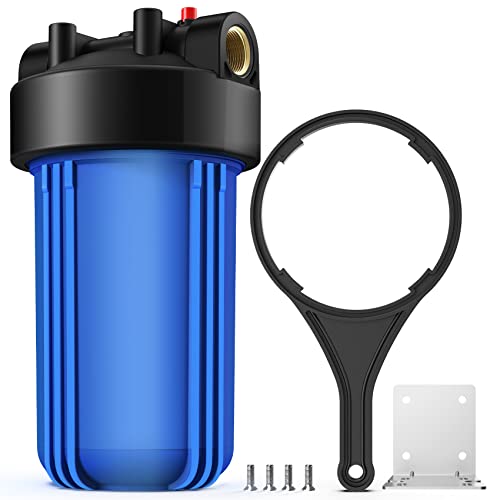
The SimPure DB10P is a 10″ x 4.5″ sediment/carbon filter housing designed for whole-house pre-filtration. It features reinforced polypropylene construction and a red pressure-relief button for easier filter changes. The housing is noted for reduced leakage risk through design improvements and includes tools and mounting hardware. It serves as the protective shell for upstream filtration stages, helping prevent rust and sediment from reaching appliances and fixtures.
Waterdrop 10UB Under-Sink Filter

The Waterdrop 10UB under-sink filter is NSF/ANSI-certified and focuses on reducing PFAS, PFOA/PFOS, lead, and chlorine. It claims long-lasting performance with an 11,000+ gallon lifespan and emphasizes compatibility and safety. The design uses BPA-free materials and is intended for installation under the sink with a dedicated faucet. It’s positioned as a durable option for homeowners seeking an inline solution that can address rusty water concerns at the point of use.
Buying Guide: Key Considerations For Rusty Water
When selecting a water filter to address rusty water, consider the following factors to make a well-informed choice:
- Source and contaminants: Rusty water often contains iron, sediment, and minerals. Choose filters with sediment reduction, iron/sediment reduction capabilities, and carbon media to address taste and odor.
- Filter type and location: Whole-house systems treat all water and help protect appliances, while under-sink or countertop units target drinking water. Shower filters address bathwater but can reduce staining on fixtures too.
- Flow rate and pressure: Pleated and multi-stage designs can offer high flow with minimal pressure drop. Ensure compatibility with your home’s water pressure.
- Media compatibility: Some filters remove chlorine and heavy metals, others focus on sediment. If you want taste improvement, consider a stage that reduces chlorine in addition to rust.
- Maintenance and lifecycle: Check replacement frequency and media longevity. Longer-lasting cartridges reduce maintenance time and cost.
- Certifications: Look for NSF/ANSI certifications for safety, lead reduction, and contaminant claims. Certifications help verify performance claims.
- Installation and compatibility: Ensure the system fits your plumbing, faucet type, and whether it’s a whole-house, under-sink, or countertop setup.
- Cost of ownership: Consider upfront costs and ongoing replacement filter costs. Balance initial investment with long-term operating costs.
For rusty water, it is often beneficial to combine filtration stages: a robust sediment/iron-reduction stage at the point of entry (whole-house) to curb mineral carryover, paired with a drinking-water filtration stage (under-sink or countertop) to further reduce metallic taste and contaminants. Always verify installation requirements and ensure compatible fittings for your home.