Best Wall Adhesive for Tile: Top Picks for Strong, Clean Bonds
Choosing the right wall adhesive for tile projects can impact longevity, appearance, and ease of installation. This guide highlights five reliable options that perform well on interior and exterior surfaces, from ceramic and porcelain tiles to stone and concrete. Each product is evaluated by adhesion strength, ease of use, versatility, and suitability for vertical applications.
| Product | Brand | Key Strength | Best For |
|---|---|---|---|
| Loctite Power Grab Express Heavy Duty Construction Adhesive | Loctite | Instant grab; paintable finish | Wood, tile, drywall, foam board |
| Yeardera Heavy Duty Construction Adhesive | Yeardera | All‑weather stickiness; no caulking gun | Tile, floor, wood, stone |
| MusselBound Adhesive Tile Mat with Spacers | MusselBound | Mortar‑free tiling; simple DIY | Small spaces, beginners projects |
| Art3d Adhesive Tile Setting Mat | Art3d | Double‑sided, residue‑free | DIY tile setting without mess |
| YKF Heavy Duty Tile Adhesive | YKF | Waterproof, multi‑surface | Ceramic, concrete, stone, wood |
Below are the five selections most relevant to “Best wall adhesive for tile,” chosen for reliable bond strength, user‑friendly application, and versatility across common tile projects.
Loctite Power Grab Express: Heavy Duty Tile Bond
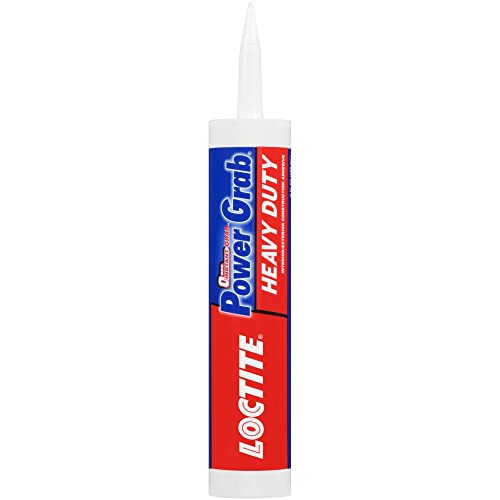
Loctite Power Grab Express Heavy Duty Construction Adhesive offers an instant grab that reduces the need for nails or bracing, a valuable feature for vertical tile installations. It dries white and becomes paintable, enabling a professional finish. The adhesive bonds to a broad range of substrates, including wood, drywall, plaster, ceramic, concrete, masonry, brick, foamboard, and vinyl cove base. This versatility makes it suitable for both interior and exterior tile projects where a quick, strong initial hold is advantageous. The combination of high initial tack and broad substrate compatibility supports reliable tile adhesion without excessive clamping or temporary supports.
Key considerations: It provides fast handling, but users should follow open‑time guidelines and ensure surfaces are clean and dry. While it is paintable, finish longevity can depend on environmental exposure and surface preparation. For large or heavy tiles, ensure proper substrate and consider supplementary mechanical fasteners where required by local codes.
Yeardera Heavy Duty Construction Adhesive

Yeardera Heavy Duty Construction Adhesive emphasizes strong all‑weather bonding suitable for tile, floor, stone, wood, and walls. It is designed for easy application without a caulking gun, thanks to a user‑friendly squeeze tube and a pointed‑nose cap for precise dosing. The adhesive is formulated to withstand wide temperature ranges, from freezing to hot conditions, maintaining adhesion on vertical surfaces and rough textures. This makes it a practical option for both indoor and outdoor tile projects where climate variation is a factor.
Considerations include ensuring that the open time aligns with tile placement needs and that surfaces are adequately prepared. Although no gun is required, a quality seal and proper cleanup after application help ensure a clean finish and long‑lasting bond on tile substrates.
MusselBound Adhesive Tile Mat With Spacers
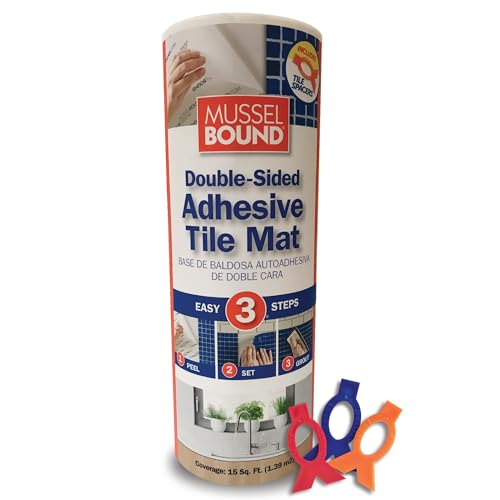
The MusselBound Tile Mat with Spacers represents a mortar‑free approach to wall tile installation. Each roll covers up to 15 square feet, and the system is designed to simplify the tiling process by providing a clean, no‑mortar solution. It’s particularly appealing for DIY beginners and smaller projects where quick and tidy tile setting is desired. The dual‑sided adhesive mat and built‑in spacers promote uniform grout lines with minimal mess, reducing the typical challenges of tile meandering alignment on vertical surfaces.
Important notes include the need to grout after setting and ensuring compatibility with the tile type and surface. This option is best for smaller tiles and lighter installations where the mat’s adhesive strength meets project demands and humidity levels are manageable.
Art3d Adhesive Tile Setting Mat
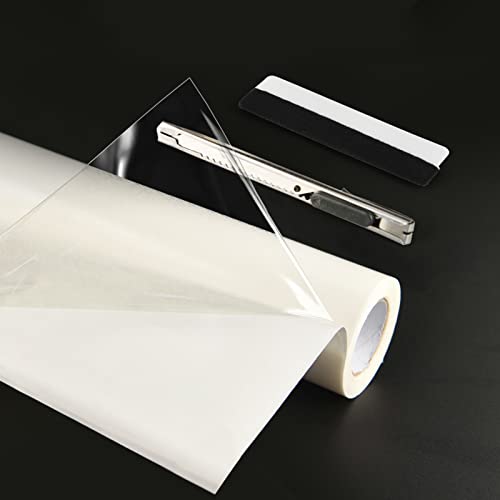
Art3d Adhesive Tile Setting Mat uses a double‑sided tape concept to assist with tile placement. It offers heat and water resistance with residue‑free removal, making it suitable for crafts, DIY projects, and temporary tile installations. The mat is designed to be versatile, useful for both self‑adhesive and non‑adhesive tiles and various hand‑crafting or classroom applications. While not a heavy‑duty structural adhesive, it provides a convenient option for lighter tiling tasks or temporary projects where quick setup and clean removal are priorities.
Best practices include verifying tile type compatibility and using the mat on smooth, prepared surfaces. For permanent or high‑traffic tiling, pair with a stronger adhesive system or conventional mortar where required by code or project demands.
YKF Heavy Duty Tile Adhesive

YKF Heavy Duty Tile Adhesive is a versatile, high‑strength glue designed for ceramic tiles, stone, concrete, wood, and more. It emphasizes waterproof performance and multi‑surface compatibility, making it suitable for kitchens, bathrooms, basements, and outdoor areas. Its squeeze‑tube packaging aims to provide controlled application and reduce waste, while its adhesive formulation supports bonding on slightly irregular or vertical surfaces without sagging.
Considerations for this product include ensuring adequate surface preparation and curing time, especially on outdoor installations or in damp environments. While it delivers robust adhesion for many tile substrates, testing on small patches is recommended when working with unfamiliar tile types or substrates.
Buying Guide: Key Purchase Considerations
- Tile type and surface: Porcelain, ceramic, stone, and natural stone have different bonding needs. Some adhesives are optimized for vertical surfaces or damp areas, while others are better for interior, dry conditions.
- Open time and workability: Some products grab instantly, which is great for quick installs but requires precise placement. Others offer longer open time for careful alignment.
- Substrate compatibility: Ensure the adhesive is suitable for the substrate (concrete, drywall, cement backer, wood, foam board) and that it tolerates outdoor exposure if needed.
- Water and temperature resistance: For kitchens, bathrooms, pools, or exterior uses, choose adhesives with waterproof and weather‑resistant formulations.
- Removability and clean‑up: Some solutions are residue‑free or easier to remove from tile backings, while others require more effort for clean finishing.
- Application method: Consider whether a caulking gun is needed, the consistency of the adhesive, and whether a precision tip is included for control.
- Durability and temperature changes: Climate and daily use influence bond longevity. For high‑traffic areas or outdoor projects, select adhesives designed for stability under stress.
- Professional vs DIY goals: Heavy‑duty products suit professional settings, while user‑friendly options can be ideal for DIY homeowners tackling smaller projects.
When selecting a wall adhesive for tile, balance the project scope, tile weight, and expected exposure. For vertical tiling on walls, prioritize products offering strong initial grab, good sag resistance, and minimal footprint on finished surfaces. For large or outdoor installations, waterproof and weather‑resistant formulations reduce long‑term maintenance. In many cases, pairing an adhesive with proper surface preparation and appropriate grouting will yield the best long‑term results.