Best Stain Colors for Oak: Find the Perfect Shade for Your Wood Project
Oak wood has a classic grain pattern that responds beautifully to stain. This guide highlights top oak-friendly stains, focusing on color, application, and finish. Each product is selected for distinct oak-toned results—ranging from warm golden oak to natural oak looks—so you can choose the best option for furniture, cabinets, or trim. Below is a quick summary table of the five featured products to help you compare at a glance.
- Minwax 70001444 Wood Finish, Golden Oak Stain (Quart)
- Minwax Wood Finish 221024444, Golden Oak Stain (Half Pint)
- Varathane 368035 Less Mess Wood Stain and Applicator, Golden Oak (4 oz)
- Furniture Clinic Wood Stain | Natural Oak (8.5 oz)
- Varathane 384807 Water Based Wood Stain, White Oak (Quart)
Minwax Golden Oak Wood Finish, Quart
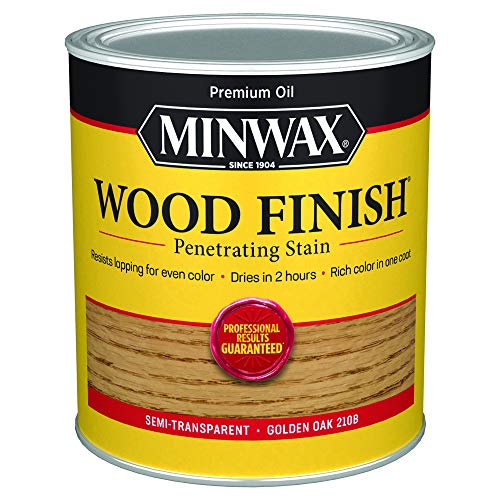
Minwax Golden Oak Wood Finish is a deep penetrating oil-based stain designed to enrich oak’s natural grain. It delivers a rich, even color in one coat, making it ideal for interior projects such as furniture, cabinets, and doors. The stain dries in about two hours, allowing for quick project turnaround. Application is straightforward—brush or wipe along the grain, wait 5–15 minutes, then wipe away excess. Reapply coats to achieve a darker, more regal oak tone. This option is well-suited for classic oak aesthetics and for restoring older pieces to their warm, amber glow.
Key details include deep color penetration and a fast drying window, which supports efficient workflow on larger projects. If you’re pairing with modern hardware or lighter wood accents, this stain can provide a balanced backdrop that highlights grain without overwhelming it. Note that the oil-based formula requires appropriate ventilation during use and cleanup with mineral spirit-based solvents.
Minwax Golden Oak Stain, Half Pint
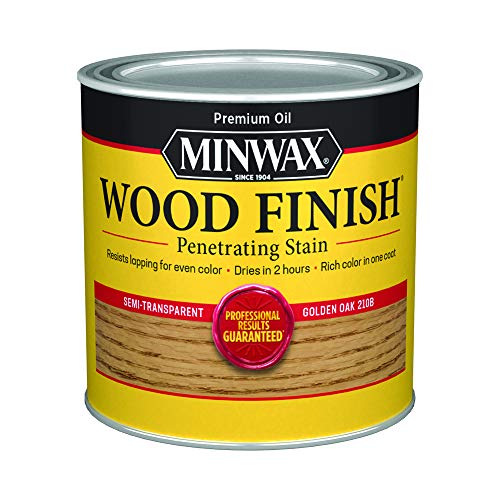
This Minwax product offers a rich, even color with a single application, enhancing oak’s natural grain. It dries quickly and provides a consistent finish suitable for interior woodworking projects such as furniture pieces, doors, and cabinets. The oil-based formula deepens pores for a durable, long-lasting look. For a deeper tone, allow the initial coat to rest longer and apply multiple coats in the grain direction. The stain’s versatility makes it a reliable choice for achieving a classic Golden Oak appearance on oak boards and veneers alike.
Using this stain on oak frequently yields a warm amber hue that complements brass hardware and warm wood tones. Odor and cleanup considerations are typical of oil-based stains, so proper ventilation and solvent-based cleanup are recommended. This option pairs well with polyurethane topcoats for added protection and longevity.
Varathane Golden Oak Less Mess Stain & Applicator
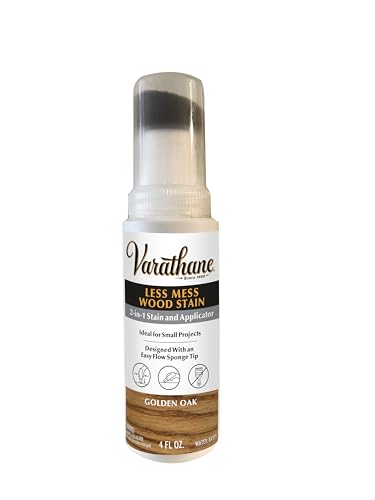
Varathane Less Mess combines a water-based stain with an integrated applicator in a compact 4 oz bottle. The water-based formula reduces odor and cleanup complexity while providing a controlled, even application on oak surfaces. It’s particularly convenient for small projects or touch-ups where a lighter, natural look is desired. The stain dries quickly, and multiple coats can deepen the color while preserving oak’s distinct grain visibility. This option is suitable for indoor projects and spaces where low odor is a priority.
Because it is water-based, it tends to raise less grain than traditional oil-based stains, which can be advantageous when working with oak veneers or finely sanded surfaces. Ensure even saturation and avoid heavy build-up to prevent blotching on lighter oak tones. Finish with a compatible topcoat for durability against wear and moisture.
Furniture Clinic Natural Oak Wood Stain

Furniture Clinic’s Natural Oak is a water-based stain designed for fast drying and low odor, suitable for indoor and outdoor wood surfaces. It provides even color penetration with excellent coverage, delivering a natural matte finish in about 10 minutes. The stain comes in multiple colors, including oak-toned options that complement oak’s grain without overpowering it. The product line is marketed with eco-friendly considerations and can be used across furniture, trim, and cabinetry, making it versatile for oak-focused projects.
Consider how this stain interacts with existing finishes. On bare or lightly prepared oak, it tends to emphasize the wood’s natural warmth. For best results, test on a scrap piece to ensure the color depth aligns with your project goals. Topcoats may be used to adjust sheen and protection as needed for high-traffic areas.
Heirloom Traditions Paint Gel Stain, Toasted Oak

This All-in-One Gel Stain offers a unique approach with a multi-surface base, including wood, metal, and even leather. It’s oil-based and designed for interior and exterior use, delivering textured, oak-friendly color. The gel format helps control application on vertical surfaces or intricate grain patterns while reducing blotching on oak. It’s suitable for DIY enthusiasts who want an easy, even finish with less penetrating behavior than traditional stains. Clean-up requires mineral spirits, and color accuracy may vary by display.
When using a gel stain on oak, expect a slightly richer, more velvety tone that can mimic natural oak aging. Because results can vary, perform a small test on scrap or inconspicuous areas before proceeding with larger surfaces.
Buying Guide: Key Considerations For Staining Oak
- Oil-based vs water-based: Oil-based stains tend to deepen grain and yield richer colors, but require solvents for cleanup and have stronger odors. Water-based stains dry faster, have lower odor, and clean with soap and water, often with less blotching on some oak varieties.
- One-coat color vs multiple coats: Some formulas provide visible color in a single coat, while others deepen with additional applications. Consider desired depth and the grain prominence of your oak piece.
- Color family and oak grain: Oak has distinctive grain; warm golden oak accents warm tones, while natural or white oak options preserve lighter grain. Test on a scrap piece to gauge depth and determine if additional topcoats are needed.
- Finish compatibility: After staining, choosing the right topcoat affects durability and sheen. Oil-based stains pair well with polyurethane for durability; water-based stains often align with water-based topcoats for low odor and clean up.
- Surface preparation: Sanding to smooth, clean bare wood yields the most even absorption. If staining over existing finishes, test for compatibility to minimize blotching and ensure strong adhesion.
- Project scope: For large furniture, warm oak looks benefit from deeper stains and longer drying times between coats. For small crafts, water-based or gel stains can provide quicker results with less odor and fuss.
- Safety and cleanup: Ventilation is important for oil-based stains. Have mineral spirits or appropriate cleaners on hand, and follow manufacturer guidelines for disposal and cleanup.
Oak responds well to stains that gently enhance grain without overpowering the wood’s natural character. The options above cover a range of finishes—from traditional amber hues to natural oak tones and low-odor water-based solutions—to suit indoor furniture, cabinetry, and trim projects. Always perform a test sample and adhere to the manufacturer’s instructions for best results.