Best R38 Insulation for Attic: Top Attic Insulation and Accessory Picks
Choosing the right attic insulation and related accessories can dramatically improve energy efficiency in American homes. This guide highlights practical options around R38 insulation and complementary products that help seal attic doors and reduce heat transfer. Whether upgrading fiberglass batts or selecting a durable attic door cover, these picks cover both insulation and energy-saving barriers to keep living spaces comfortable year-round.
Overview of selected products
- Owens Corning 512 SQFT 8 Bags of R-38 Unfaced Fiberglass Batt (8 bags total: 64 sq ft per bag)
- Knauf R-38 Kraft Faced Fiberglass Batt Insulation (320 sq ft total)
- Attic Stairway Insulation Covers (several premium options)
- Tamarack HV1000 Ductless Whole House Fan with Insulated Doors (improves attic TOA energy balance)
- Additional Attic Door Insulation Covers for a tighter seal and energy savings
The products listed here emphasize attic insulation performance, air sealing, and practical installation considerations for typical 2×12 or similar attic configurations. The table below summarizes the key attributes of the chosen items, helping you compare coverage, moisture considerations, and installation fit.
| Product | Coverage | Key Benefit | Notes |
|---|---|---|---|
| Owens Corning 512 SQFT 8 Bags | 512 sq ft total | Unfaced fiberglass batt for attic caging between trusses | Requires proper vented air space to avoid moisture |
| Knauf R-38 Kraft Faced 320 sq ft | 320 sq ft | Kraft faced moisture barrier; suitable for cathedral / high-density layouts | Faced insulation for exterior-facing surfaces |
| Attic Stairway Insulation Covers | Fits 25″ x 54″ openings | Excellent air seal at attic hatch to reduce heat loss | Multiple models available with foil bubble layers |
| Tamarack HV1000 Whole House Fan | Whole-home ventilation support | Improves attic air exchange; insulated doors reduce heat loss | Energy-efficient cooling option; pairs with attic insulation |
| Additional Attic Door Covers | 25″ x 54″ openings | Year-round sealing to minimize drafts | Zippered, reflective or multi-layer designs |
Owens Corning R-38 Unfaced Batt Insulation
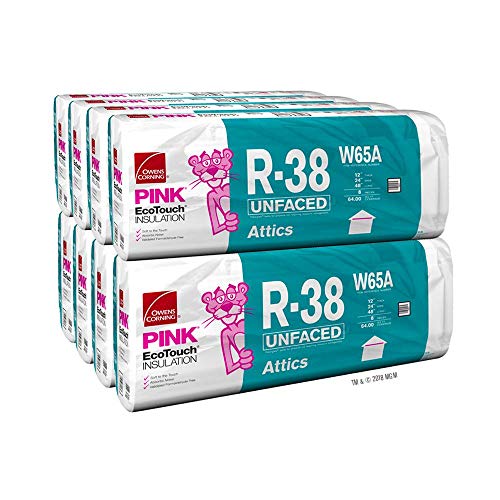
Product features show unfaced insulation designed for attic installations between trusses. It consists of eight batts per bag, with a total of 64 sq ft per bag and a grand total of 512 sq ft for eight bags. It contains no paper or kraft backing, aligning with typical attic installs that rely on air sealing rather than a facing. While unfaced batts can reduce moisture issues in properly vented spaces, ensure there is sufficient air space (often 2 inches) to prevent moisture entrapment and mold risk. This option is suitable for interior attic spaces and can also assist in light sound dampening in some setups.
Knauf R-38 Kraft Faced Insulation

This product provides kraft-faced fiberglass batts with an R-38 rating, designed for 2×10 attic spaces and cathedral configurations. The eight-bag package yields a total of 320 sq ft. The moisture barrier is included as part of the facing, supporting exterior-surface moisture resistance where necessary. Availability of two bundles per order and potential warehouse pickup discounts are noted by the seller, though installation should still consider overall attic ventilation and moisture control to prevent condensation and mold growth.
Attic Stairway Insulation Cover

Premium attic door insulation covers provide a seal for attic stairs to minimize year-round heat transfer. These covers typically use a foil bubble core with an air barrier that helps reflect radiant heat and reduce draft infiltration. Fits standard attic openings around 25″ x 54″ x 11″ and is designed to provide an insured R-value in practice by reducing both convective and radiant heat loss through the attic hatch. The cover often includes a heavy-duty zipper and two-layer reflective materials for durability and long-term energy savings.
Tamarack HV1000 Ductless Whole House Fan

The HV1000 whole-house fan reduces dependency on air conditioning by exhausting hot attic air and pulling cooler outdoor air into the living space. A key feature is insulated doors that automatically seal when the fan is off, reducing heat loss through the attic during colder months. This creates a balanced ventilation approach that complements attic insulation efforts, helping maintain interior temperatures without excessive energy use. It is particularly relevant in warmer climates or seasons where attic heat buildup is a concern.
LEMOONE Attic Door Insulation Cover
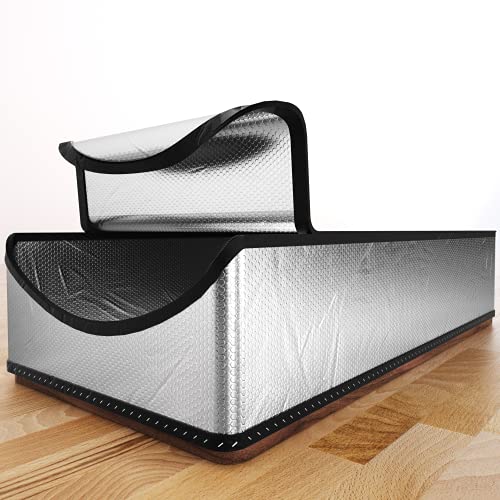
LEMOONE’s attic door insulation cover blocks air exchange between the room and the attic with a thick aluminum foil surface and a foil bubble layer for radiant heat reflection. It is sized for openings up to 25″ x 54″ x 11″ and emphasizes year-round energy savings. Easy installation and a zipper-based access design help maintain convenience while promoting a sealed attic environment to complement R-38 insulation in the ceiling below.
Attic Stairway Insulation Cover (Premium)

This premium attic stairway cover emphasizes all-year energy savings by creating a draft seal at the attic hatch. Sized for standard 25″ × 54″ pull-down attic doors, it is designed for easy staple-on installation and durable performance. The design includes a heavy-duty zipper and reflective layers to minimize heat transfer and drafts, supporting overall attic efficiency when combined with proper insulation above the ceiling.
SmartATTIC 30x60x11 Attic Door Insulation Cover

SmartATTIC’s door insulation cover for 30″ x 60″ x 11″ openings provides R-Value-oriented insulation with a pure aluminum foil double-bubble layer. The product focuses on reducing heat transfer at attic access points and features a robust zipper and premium construction. This option integrates with larger attic hatch dimensions while emphasizing energy savings through enhanced reflective insulation alongside ceiling insulation rated at R-15.5 and above, depending on installation specifics.
Buying Guide: Key Considerations for Attic Insulation and Access Covers
- Insulation type and rating: Unfaced fiberglass batts (R-38) are common for attic spaces between joists/trusses, while faced batts provide moisture barriers for specific exterior-facing areas. Match the insulation type to the attic design and ventilation plan.
- Ventilation and moisture control: Proper attic ventilation is critical with unfaced insulation to prevent moisture buildup. If moisture is a concern, pair insulation with a vapor barrier at the appropriate location and ensure gaps are sealed.
- Air sealing at the attic hatch: Attic door insulation covers reduce convective heat loss by sealing openings. Look for reflective layers, foil bubble cores, and durable zippers for year-round performance.
- Size compatibility: Verify attic opening dimensions (commonly 25″ x 54″ or larger) before purchasing a cover. Some products offer universal fit features and easy installation options.
- Energy savings vs. cost: While insulation quality is critical, covers for attic doors can offer quick payback by reducing drafts and heat transfer. Consider combining both insulation and access-sealing products for a comprehensive solution.
- Additional ventilation options: Whole-house fans with insulated doors can help manage attic heat and indoor air quality, especially when used with proper insulation to minimize heat loss in winter.
- Moisture considerations in faced batts: Kraft-faced batts include a moisture barrier but require careful placement to avoid trapping moisture in certain attic configurations.
- Durability and installation: Look for heavy-duty zippers, reflective surfaces, and robust seams for repeated access to the attic, ensuring long-term performance even with seasonal use.
- Building code and regional climate: R-values and product selections should align with local climate zones and building code requirements for attics in the United States.
Overall, a balanced approach that combines high-R insulation between attic joists with effective attic hatch covers can yield meaningful energy savings. The featured products illustrate practical options for American homes, emphasizing proper installation, ventilation, and durable design to minimize heat loss and drafts across seasons.