Best Attic Ventilation Systems for Efficient Home Cooling
Choosing the right attic ventilation system helps reduce heat buildup, protect roofing, and improve overall home comfort. This guide highlights five top-performing attic fans and ventilation kits, backed by features like high CFM, energy efficiency, quiet operation, and smart controls. Whether you have a single-story or a two-story home, these options provide reliable airflow, durable construction, and ease of installation. Use the buying guide below to compare key considerations and choose the system that best fits your space and energy goals.
| Product | Brand | CFM | Suitable For | Highlights |
|---|---|---|---|---|
| Comfort Cool Whole House Fan 3300 | Centric Air | 3300 | Up to 1450 sq ft (2-story) / 950 sq ft (1-story) | QA-Deluxe insulated damper, 2-speed, wireless remote |
| Comfort Cool 4.0 Whole House Fan | Centric Air | 3945 | Large homes | Quiet operation, 5-blade design, high airflow |
| Comfort Cool QA-Deluxe 5500 | Centric Air | 5500 | 1-2 story homes up to 3400 sq ft | Remote, timer, insulated damper, powerful cooling |
| Solar Attic Fan 32W 1600CFM | DC HOUSE | 1600 | Any attic or garage, off-grid | Solar-powered, weatherproof, low maintenance |
| AC Infinity CLOUDWAY 1600 CFM | AC Infinity | 1600 | Ceiling-mounted attic spaces | WiFi control, temp/humidity/VPD programming |
Comfort Cool Whole House Fan 3300 CFM
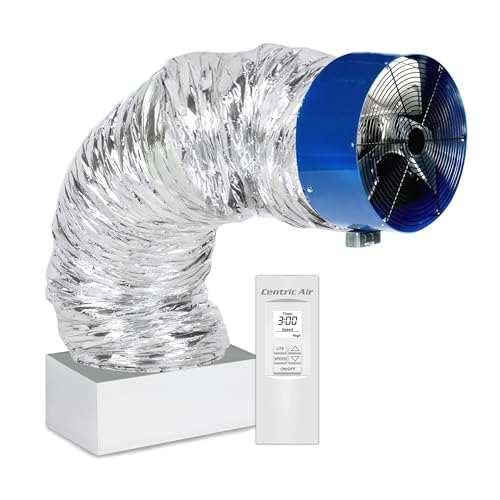
The Comfort Cool 3300 delivers strong cooling for large attic spaces with a QA-Deluxe 3300 R5 insulated damper, providing up to 3300 CFM to rapidly exhaust hot air. Suitable for homes up to 1450 square feet on two levels or 950 square feet on a single level. Energy-efficient operation helps minimize running costs, and a smart 2-speed wireless remote with a timer adds convenient control. Acoustic ducting and vibration-minimized components contribute to quieter performance compared with traditional attic fans.
Comfort Cool Whole House Fan 4.0 (3945 CFM)
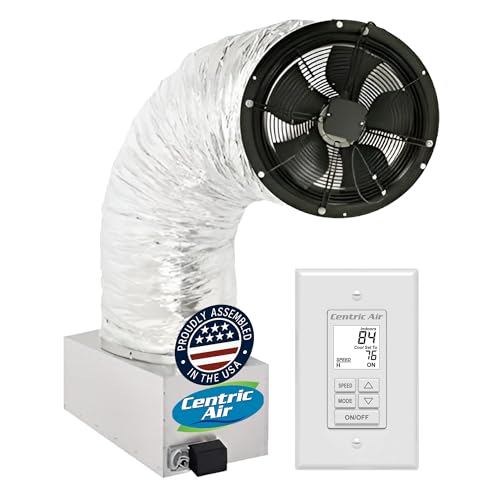
The Comfort Cool 4.0 model provides higher airflow with approximately 3945 CFM, designed for entire home ventilation and large spaces. It pulls in fresh air while exhausting hot air, helping to cool interiors efficiently. The unit features a quiet German-engineered ventilator, precision-balanced 5-blade motor system, and acoustical ducting for minimal noise. It operates with low energy usage, offering a balance of performance and efficiency for bigger homes or spaces with higher heat loads.
Comfort Cool QA-Deluxe 5500

The QA-Deluxe 5500 is designed for robust attic ventilation, delivering up to 5500 CFM to cool large spaces. It includes a programmable remote control and a timer for tailored cooling schedules, plus an R5 insulated damper to reduce infiltration when the system is off. This model targets multi-story homes up to about 3400 square feet, offering strong airflow while maintaining energy efficiency. Quiet operation is supported by acoustical ducting and vibration-minimizing components.
Solar Attic Fan 32W 1600CFM
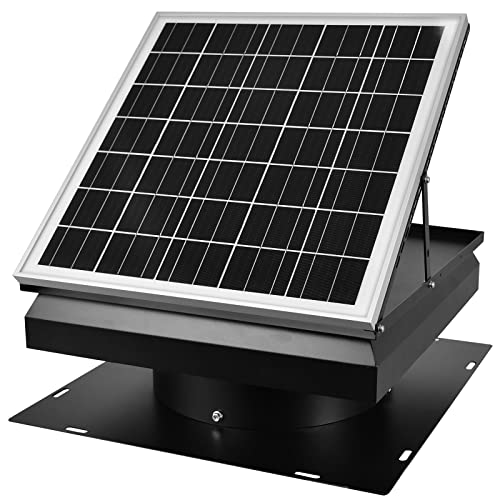
This solar-powered attic fan uses monocrystalline panels to drive a 1600 CFM airflow without grid electricity. It activates at sunrise and powers down at dusk, offering off-grid cooling with zero running costs. The unit is designed to withstand high winds and wide temperature ranges, making it suitable for homes, garages, workshops, and other structures where solar ventilation is advantageous. Pairing with existing vents can maximize overall attic airflow and reduce heat buildup.
AC Infinity CLOUDWAY 1600 CFM

The CLOUDWAY EC fan is a whole-house attic ventilation solution with 1600 CFM output and a temperature/humidity controller. It supports dynamic programming, timers, and scheduling, enabling energy-efficient cooling with precise climate management. With WiFi integration for remote control and monitoring, users can adjust settings, view climate data, and automate routines via a compatible app, making it suitable for modern smart homes and utility-focused installations.
AC Infinity AIRLIFT T20
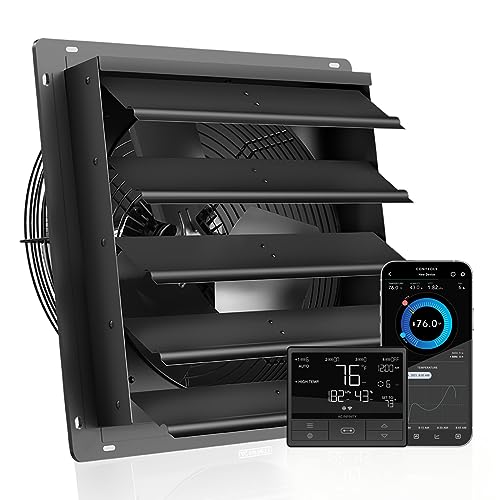
The AIRLIFT T20 is a 20″ shutter exhaust fan designed for spaces requiring robust airflow, including attics and greenhouses. It features a WiFi-enabled temperature and humidity controller with custom timers and support for multiple fans. The shutter design helps prevent backdrafts and improves energy efficiency, while remote app access allows ongoing monitoring and automation of climate control across different spaces.
Buying Guide
- CFM vs. space: Choose a unit with adequate CFM for your attic size. Higher CFM speeds bring faster cooling but may increase noise; look for models with acoustic ducting or rubber mounts to mitigate sound.
- Damper insulation: An insulated damper reduces backdraft and energy loss when the fan is off. R5 or better is a common standard for attic systems.
- Power source: Decide between corded electrical fans and solar-powered options. Solar fans are great for off-grid setups and cost savings, while electric fans offer consistent performance regardless of sun exposure.
- Control features: Consider remotes, wall switches, timers, and smart controls. WiFi-enabled or app-driven models enable scheduling and remote monitoring for better energy management.
- Noise considerations: Look for quiet operation designs with acoustical ducting, vibration isolation, and balanced blades to minimize disruption in living spaces.
- Installation complexity: Some units are more DIY-friendly, especially those with universal mounting adapters. Heavier, multi-story setups may benefit from professional installation.
- Energy efficiency: Compare watts and overall energy use. Models designed for continuous operation typically emphasize low wattage for pennies-per-hour cooling costs.
- Durability and warranty: Check motor life, materials, and warranty terms. Long-term warranties reflect confidence in durability and performance.
These selections focus on attic ventilation performance, energy efficiency, and ease of use. When choosing, balance cooling needs, home size, and tolerance for noise to achieve effective climate control with reasonable operating costs.