Best Roof Foam Closures for Metal Roofs: Insulation, Protection, and Sealing
Metal roof closures play a crucial role in reducing air leakage, minimizing heat transfer, and protecting roof panels. This guide highlights select closures designed for rib profile and flat panel metal roofs, focusing on interior and exterior foam strips, vented ridge closures, and practical installation notes. The products below are evaluated for cold resistance, noise reduction, waterproofing, and long-term durability to help homeowners and contractors achieve energy efficiency and a tighter building envelope.
Summary of selected products
| Product | Type | Quantity | Key Benefit |
|---|---|---|---|
| Sthovd Inside Classic Rib Foam Closures | Inside foam closure strips | 20 pieces | Heat insulation, sound reduction, interior sealing |
| Sthovd Inside Foam For Metal Roofs | Inside foam closure strips | 10 pieces | Long service life, air leakage reduction, winter warmth |
| Maasechs Vented Ridge Closure Strips | Vented ridge closure strips | 2 rolls | Humidity control, moisture expulsion, heat management |
| Sthovd Outside Foam Closures (9 in) | Outside foam closure strips | 10 pieces | Exterior sealing, weather resistance, insulation |
| Sthovd 12 in Outside Foam Closures | Outside foam closure strips | 10 pieces | Long 3 ft length, cold resistance, rainwater seal |
Sthovd Inside Classic Rib Foam Closures

The 9-inch interior foam closure strips are sold in a 3-foot length per strip, with a package of 20 pieces. The material is cold resistant and designed to reduce noise, contributing to heat insulation, warmth in winter, and cooler interiors in summer. These closures help seal inside rib-profile metal roofs, supporting waterproofing and an enhanced service life for the structure.
Sthovd Inside Foam For Metal Roofs (10 Pcs)
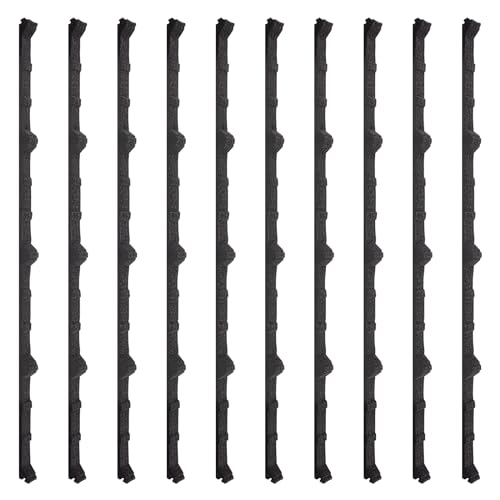
This 9-inch interior foam closure set provides 3 total feet of coverage per piece, with 10 pieces in the package. Constructed for cold resistance and noise reduction, it supports heat insulation, protection, and waterproofing. The strips are designed to extend the life of metal roof systems by minimizing drafts and heat loss, thereby improving overall comfort and energy efficiency.
Maasechs Vented Ridge Closure Strips

The kit includes two rolls of vented ridge material in black, designed to be installed under metal roofs and help expel hot air and moisture from the attic. The strips are 2 inches wide by 15 feet long (30 feet total). They retain elasticity in high temperatures and humidity, ensuring long-lasting sealing performance while aiding energy efficiency and indoor comfort.
Sthovd Outside 9in Foam Closures
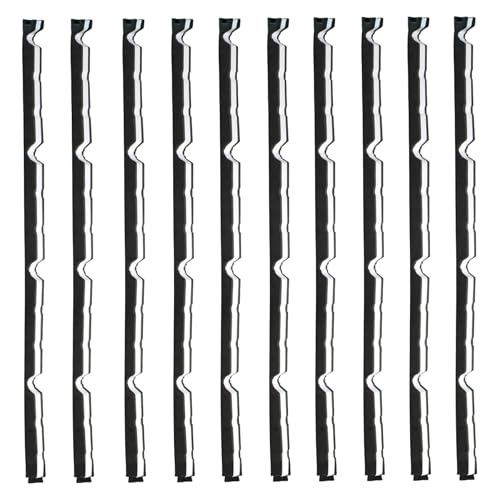
These 9-inch exterior foam closures come in a 3-foot length with ten pieces per package. Built for cold resistance and noise reduction, they provide a cost-effective sealing solution for R-panel metal roofs, delivering heat insulation, waterproofing, and roof protection from weather exposure. They contribute to a longer roof life and greater occupant comfort by minimizing heat loss and air leakage in winter and hot air transfer in summer.
Sthovd 12in Outside Foam Closures

The 12-inch outside closures come in a 3-foot bundle per strip, with 10 pieces in the set. They are designed for exterior sealing on rib-profile and flat metal roofing panels, offering cold resistance and noise reduction. The longer length provides additional sealing coverage, aiding in weatherproofing and reducing heat transfer while guarding against water ingress.
Buying Guide: Key Purchase Considerations
- Roof type compatibility: Confirm whether closures are designed for rib-profile or flat metal roofs and match the panel width (9 inches or 12 inches) to ensure a tight fit and minimal gaps.
- Material and durability: Look for closed-cell foam with cold resistance and moisture resistance to prevent mold and degradation over time. Consider self-adhesive backing for easier installation where applicable.
- Interior vs exterior application: Interior foam closures provide air leakage reduction and warmth, while exterior closures emphasize weather sealing and rainwater management. Some products offer both options.
- Ventilation considerations: Vented ridge closures help expel heat and moisture from attics, supporting energy efficiency and reducing the risk of condensation-related issues in metal roof assemblies.
- Quantity and coverage: Compare total length per piece and package counts to estimate how many strips you’ll need for your roof’s length and the number of ridges, while avoiding waste.
- Installation compatibility: Some closures require no adhesive; others rely on self-adhesive backing. Check for surface compatibility and surface preparation needs before applying.
- Thermal performance: Foam closures contribute to seasonal comfort by reducing heat transfer. Assess U-values or insulating performance claims if available from the manufacturer.
- Cost and longevity: A higher upfront cost may yield longer service life and better resistance to environmental factors. Balance budget with expected roof life and maintenance needs.
Comparisons: Choosing the Right Closure Type
- Interior vs exterior: Interior closures are often favored for air sealing and insulation from within the structure, while exterior closures focus on exterior weather sealing and waterproofing. Evaluate which side is most critical for your climate and roof design.
- Rib-profile versus flat panels: Rib-profile closures are typically tailored to lock into corrugations, while flat-panel closures provide broader, flat-surface sealing. Select based on your metal panel profile.
- Ventilation needs: If attic moisture or heat buildup is a concern in your area, consider vented ridge closures to enhance attic airflow and energy efficiency.
- DIY versus professional installation: Adhesive-backed products simplify DIY installation, but some installations may benefit from professional sealing and tool use to ensure a uniform seal across large roof areas.
These closures collectively address common metal roof challenges, including air leakage, heat transfer, moisture management, and durable waterproofing. When selecting a product, verify panel compatibility, closure length, and installation method to ensure optimal performance for your specific roof system and climate.