Best Log Splitting Wedges for Efficient Firewood Prep in 2025
Choosing the right log splitting wedge can dramatically speed up firewood preparation, reduce effort, and improve safety. This guide highlights five reliable wedges that balance durability, ease of use, and value. Each product section links to Amazon for quick reference and includes essential features to help you compare at a glance. A buying guide at the end covers key considerations for different wood types, hammering needs, and storage.
| Product | Brand | Weight | Key Benefit |
|---|---|---|---|
| ESTWING Sure Split Wedge | Estwing | 5 lb | Forged steel with a sharp edge for fast starts |
| Felled Diamond Wedge | Felled | 4 lb | Cross-shaped 4-direction design for quick splits |
| Edward Tools Classic Log Splitting Wedge | Edward Tools | 4 lb | Drop-forged steel with sharpened edge |
| Kindling Cracker XL | Kindling Cracker | — | Safe, hands-free kindling with large top opening |
| Hooyman Splitting Wedge | Hooyman | 5 lb | High-strength steel for heavy-duty use |
Each option above is designed to help with common wood types used in American homes—softwoods like pine and fir, as well as denser hardwoods such as oak and hickory. Consider the log diameter you typically split, the hammer or maul you use, and whether you need a wedge that doubles as a kindling tool. The following sections provide an in-depth look at five popular wedges to help you decide which fits your setup best.
ESTWING Sure Split Wedge – 5-Pound Wood Splitting Tool
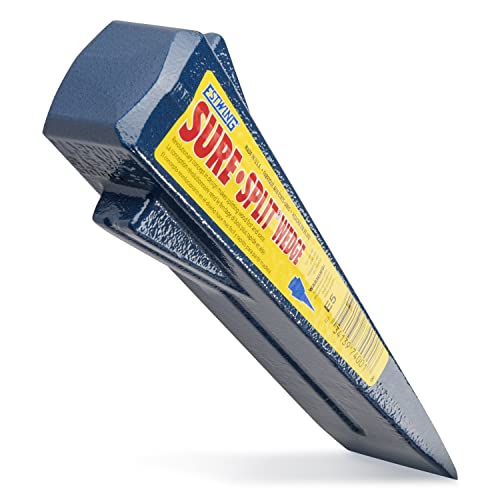
The Estwing 5-pound Sure Split Wedge features a forged steel construction designed to handle repeated hammer blows with minimal chipping or bending. Its robust build and weight help to drive through tougher logs with fewer strikes. The tool’s classic wedge shape reduces the amount of effort required to breach the log’s fibers, creating a cleaner, quicker split. This wedge is well-suited for regular firewood preparation in home, cabin, or workshop environments, where reliability and long-term durability are priorities.
Features emphasize heavy-duty performance: a forged steel head built to resist impact, a sharp tip for starting cracks, and a weight that channels energy efficiently into the log. It pairs well with a standard splitting maul or sledgehammer and is a good match for users who value a traditional tool design with modern metallurgy. Maintenance is straightforward—keep the head clean and dry to prevent corrosion, and periodically inspect the cutting edge for nicks that could affect performance.
Felled Diamond Wedge – 4-Direction Wood Splitting

The Felled Diamond Wedge uses a four-direction diamond cross section to create multiple splitting angles within a single log. This design aims to reduce the overall number of strikes by weakening the log at several points, which can dramatically speed up the process on knots or irregular grain. The wedge is intended for use with an 8-pound hammer or maul and is suitable for a range of hardwoods, including oak and hickory, as well as softer woods.
Key advantages include the multi-direction capability, which helps when logs are oversized or stubborn. The pointed tip helps initiate the split, while the wider head concentrates force to prevent the log from binding. It’s important to avoid very large diameters or knot-packed sections that can still resist even four-way wedges. Regular inspection for edge integrity and proper storage away from moisture will extend its life and maintain performance.
Edward Tools Classic Log Splitting Wedge (4 LB)
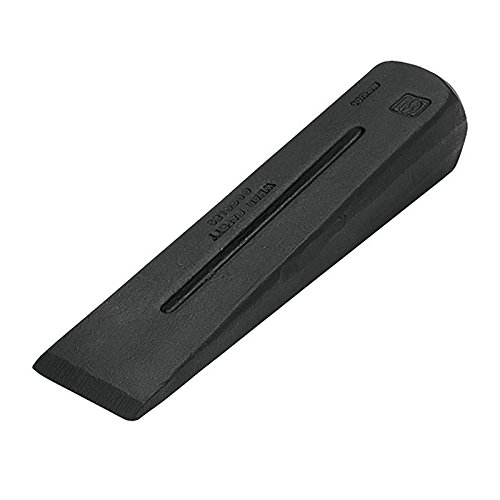
The Edward Tools Classic Wedge emphasizes a drop-forged steel head with a sharpened edge for quicker wood splitting. This geometry reduces resistance when the wedge penetrates the log and focuses force to drive the split more efficiently. The 4-pound weight strikes a balance between control and impact, making it a versatile option for a range of log sizes. It is compatible with standard splitting mauls and sledge hammers for those who require robust performance with straightforward maintenance.
Durability is a defining feature, with a metal head designed to withstand repeated hammer blows without significant wear. The wedge is suitable for periodic outdoor use and can be part of a basic wood-splitting toolkit. As with all steel wedges, keep metal dry and inspect for chips or cracks after heavy use. Sharpening or gentle reshaping of the edge can help maintain cutting efficiency over time.
Kindling Cracker XL Kindling Splitter – Safe Kindling Creation

Kindling Cracker XL represents a different approach to wood processing, focusing on safe, hands-free kindling creation. The design reduces the risk of injury by eliminating exposed blades near the hands and using a wide top opening that accommodates larger pieces. The tool splits wood with less force than many traditional axes or wedges, making it a practical option for users who frequently prepare kindling for fireplaces, campfires, or wood stoves.
Beyond ease of use, this model supports larger log sections with an interior diameter designed for efficient splits. The safe operation is complemented by a sturdy construction, enabling repeated use in outdoor or rugged settings. For households prioritizing minimal risk and straightforward operation, the Kindling Cracker XL offers a compelling balance of safety and functionality.
Hooyman Splitting Wedge – 5 Pound Heavy-Duty Tool
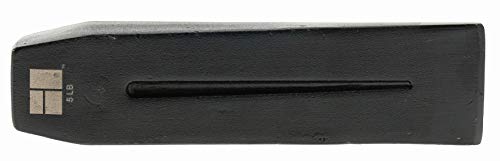
The Hooyman Splitting Wedge combines a five-pound weight with a high-strength steel composition designed for heavy-duty use. Its dimensions and weight deliver excellent driving power, enabling efficient splits in a mix of logs, including moderately dense hardwoods. The steel’s composition aims to resist chipping and bending under repeated hammer blows, making it a dependable option for frequent firewood preparation, camping, or land management tasks where robust performance is required.
What sets this wedge apart is its combination of durability and user-friendly operation. The tool is designed to be used with a standard sledge hammer, and its construction supports long-term outdoor use. Regular care—keeping it dry, inspecting for edge integrity, and avoiding side impacts—will help maintain performance through multiple seasons of use.
Buying Guide: Key Purchase Considerations
Wood type and log diameter: Softer woods split more easily, while dense hardwoods benefit from heavier wedges with sharper edges or multi-direction designs. For large-diameter logs, a wedge with a wider head or a 4-direction cross-section can reduce the total number of strikes.
Weight and control: Heavier wedges (4–5 lb) drive further with each strike but require more control and strength. Lighter wedges are easier to handle for beginners but may take more hits on stubborn logs. Choose a weight that matches your strength and typical log sizes.
Construction material: Forged steel heads resist impact and wear, while edge geometry (sharp vs. blunt) influences starting cuts and initial penetration. Some wedges incorporate safety features (like the Kindling Cracker’s hands-free design) that reduce risk during operation.
Durability and maintenance: Look for wedge heads with minimal deformities and corrosion resistance. Wipe clean after use, store in a dry place, and inspect edge integrity regularly. Sharpening or minor reshaping may be needed to maintain cutting efficiency over time.
Safety and ergonomics: Wedges with secure handles or ergonomic designs reduce fatigue and improve accuracy. For beginners, consider a wedge option that minimizes the need for aggressive hammering or unnecessarily strenuous strokes.
Versatility and use case: If you split firewood for a cabin or compact living space, a versatile wedge like the diamond cross-section or a product that supports kindling may provide added value. Assess whether you need a pure splitting wedge or a tool that also aids kindling production or log felling tasks.