Best Bonding Primer for Oil Based Paints: Top Selections for Difficult Surfaces
Choosing the right bonding primer for oil-based paints can dramatically improve adhesion on glossy, non-porous, or previously coated surfaces. This guide highlights top primers known for sticking to challenging substrates while preparing surfaces for final coats. Each option offers unique strengths, from fast drying times to stain blocking and odor sealing. Use the quick table below to compare standout choices, then dive into detailed overviews to help inform your next project.
| Product | Brand | Key Bonding Claim |
|---|---|---|
| INSL-X SXA11009A-04 Stix Acrylic Waterborne Bonding Primer | INSL-X | Unparalleled adhesion to glossy and hard-to-coat surfaces |
| Zinsser 3608 Cover Stain Oil Base Primer Spray | Zinsser | Seals, blocks stains, and provides excellent adhesion with no sanding required |
| QT Zinsser 03504 White Cover-Stain Oil-Based Stain Blocker | Zinsser | Oil-based stain blocker with added sheen for tough surfaces |
| Rust-Oleum 3554 Zinsser High Hide Cover Stain Primer and Sealer | Zinsser | High-hiding, blocks tannin bleed, suitable for interior and exterior use |
| Real Milk Paint Adhesion Promoter and Bonding Primer | Real Milk Paint | Adhesion promoter for difficult surfaces, compatible with multiple coatings |
INSL-X Stix Bonding Primer
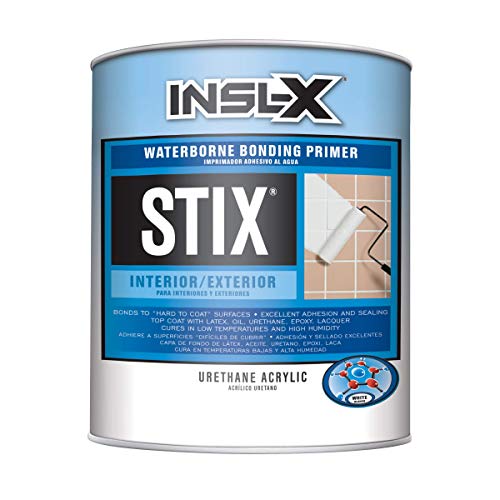
INSL-X SXA11009A-04 Stix Acrylic Waterborne Bonding Primer is designed for surfaces that resist standard primers. As a premium acrylic-urethane formulation, it promises durable adhesion to glossy tile, PVC, vinyl, plastic, glass, and other challenging materials. It’s suitable for drywall, plaster, ceiling, wood trim and doors, Formica, ceramic tiles, and more. The primer bonds to “hard-to-coat” surfaces and is compatible with topcoats from a wide range of products. This flexibility can reduce the need for extensive surface preparation, saving time on complex remodeling projects.
Compared to traditional oil-based primers, Stix offers waterborne convenience with strong adhesion properties. It’s particularly well-suited for projects where a clean, uniform base is required before applying both oil- and water-based topcoats. While it handles hard-to-adhere surfaces well, users should ensure proper surface cleaning and allow adequate drying between coats for best results. This primer’s versatility makes it a go-to option for kitchens, bathrooms, and exterior trims where glossy finishes exist.
Zinsser 3608 Cover Stain Primer Spray

Zinsser 3608 Cover Stain Oil Base Primer Spray stands out for its staining-blocking capabilities and adhesion on a variety of surfaces. This spray primer seals stains, prevents bleed-through, and allows for topcoating with most products. A key benefit is its no-sanding requirement, which can streamline projects where surface roughness or previous coatings might otherwise complicate prep. It’s especially useful for interior walls, wood trim, and surfaces that might otherwise show through a finish due to tannins or water stains.
The oil-based formulation delivers robust sealing power, making it a reliable choice for spaces with lingering odors or smoke stains. For best results, apply in light, even coats and allow thorough drying. Given its spray delivery, it can expedite larger jobs or areas with tight corners where brushing would be slower. As with all oil-based primers, ensure adequate ventilation when applying and follow the can’s safety guidance.
Zinsser Cover-Stain QT Oil-Based Primer
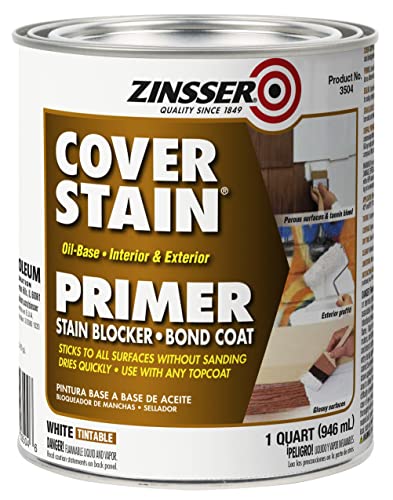
Zinsser 03504 White Cover-Stain is a classic oil-based stain-blocking primer that adds extra sheen to your surface. This QT (quart) size is a standard choice for projects needing superior coverage on previously painted surfaces, wood, drywall, and plaster. The product is designed to block tough stains and tannins, providing a solid base for topcoats. Manufactured in the United States, it’s a dependable option for both interior and exterior applications where stain resistance is critical.
When using Cover-Stain, consider the odor and ventilation inherent to oil-based formulations. The primer’s strong sealing and stain-blocking properties can reduce the need for multiple topcoats, particularly on surfaces prone to bleed-through. Pair with compatible oil- or water-based finishes based on the desired final look and durability. Preparation steps, such as cleaning and deglossing glossy finishes, will further enhance adhesion and long-term performance.
Rust-Oleum High Hide Zinsser Primer

Rust-Oleum 3554 Zinsser High Hide Primer and Sealer is designed for both exterior and interior use, addressing previously painted drywall, cured plaster, wood, metal, and concrete. It is a high-hiding oil-based primer that effectively blocks tannin bleed and dark colors, delivering a fast-drying finish. The product dries to the touch in about 35 minutes and covers up to 100 square feet per coat, making it suitable for larger projects where a quick base layer is advantageous.
Its dual function as both primer and sealer helps to stabilize problematic surfaces, reducing the risk of topcoat failure on glossy or porous substrates. When used on bare or repaired areas, ensure consistent application thickness and allow full cure before applying the finishing coat. Ventilation is essential due to solvent-based formulation, and proper surface preparation ensures maximum adhesion and system durability.
Real Milk Paint Adhesion Promoter And Bonding Primer

Real Milk Paint Adhesion Promoter is an adhesion promoter designed to enhance bonding on plastic, glass, ceramic, and previously painted surfaces. This product can be mixed with Real Milk Paint to increase adhesion, offering a flexible option for projects that combine traditional milk paint with other coatings. It provides a clear coat that dries clear, ensuring compatibility with a wide range of surfaces, including non-porous materials and previously painted finishes.
The promoter is marketed as versatile, supporting adhesion of both oil-based and water-based coatings. While it’s not a typical solvent-based oil primer, it is a viable choice when preparing unusual substrates or when blending finishes. For best results, follow the manufacturer’s mixing ratios and allow appropriate curing time before applying the final topcoat.
Buying Guide: Key Considerations For Bonding Primers On Oil-Based Paints
- Surface compatibility: Identify whether the surface is glossy, non-porous, stained, or previously painted. Some primers excel on metal, glass, or plastic, while others focus on wood or drywall.
- Drying time and recoat window: Consider how quickly the primer dries and when you can apply the next coat. Faster drying helps with large projects but may require careful handling to avoid lap marks.
- Stain blocking vs. bonding strength: Some primers prioritize stain blocking (tannin bleed, smoke, water stains) while others emphasize bonding to difficult substrates. Determine which property matters most for your project.
- Oil-based vs. water-based: Oil-based primers often provide stronger sealing and stain-blocking but require ventilation and longer cleanup. Waterborne options offer easier cleanup and lower odor but may require additional coats on tough surfaces.
- Topcoat compatibility: Ensure the chosen primer accepts the intended topcoat (oil- or water-based). This helps prevent peeling or incompatibility issues later.
- Coverage and spread rate: Larger jobs benefit from primers with higher coverage per gallon. Check label claims and surface texture to estimate material needs.
- VOC and environmental considerations: Some products boast lower VOC or eco-friendly certifications. If indoor use is a priority, these factors may influence selection.
- Application method: Sprays, brushes, and rollers each have benefits depending on the surface and project size. Sprays are fast for broad areas; brushes are better for corners and edges.
When choosing a bonding primer for oil-based paints, balance adhesion strength with surface type, ventilation, and topcoat compatibility. The options listed here cover a spectrum from heavy-duty stain blocking to multi-surface adhesion promoters, enabling you to select a primer that best fits your project scope and substrate challenges.