Best Bonding Agents for Paint Projects
Selecting the right bonding agent can make the difference between a paint job that peels or delaminates and one that lasts. This guide focuses on proven bonding solutions suitable for common painting tasks, from furniture refinishing to concrete or laminate surfaces. Each product below is chosen for its practical adhesion properties, ease of use, and compatibility with typical paints and finishes.
| Product | Brand | Type | Key Use |
|---|---|---|---|
| Slip Doctors Bonding Agent | Slip Doctors | Adhesion Promoter | Coatings on hard-to-coat surfaces |
| Clear Bonding Primer | Country Chic Paint | Clear Primer | Prep for laminate, glass, metal, and oil-based paints |
| Everbuild 501 Universal PVA Bond | EveRBUILD | PVA Bond | General-purpose bonding and as an internal additive |
| Larsen Plaster-Weld Bonding Agent Quart | LARSEN STRINGS | Bonding Agent | Plaster and interior bonding on walls |
| Larsen Plaster Weld Plaster Bonding Agent Gallon | LARSEN STRINGS | Bonding Agent | Large-quantity plaster bonding for walls |
Slip Doctors Bonding Agent
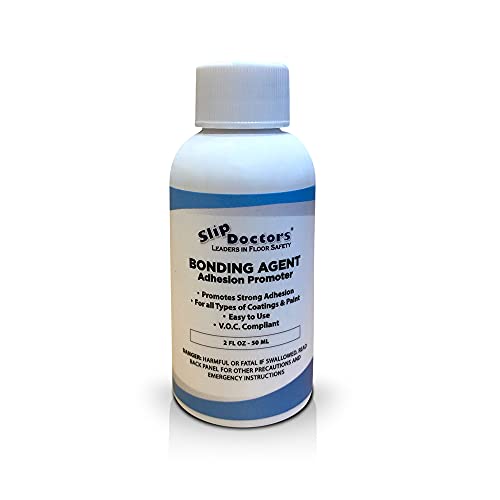
Slip Doctors Bonding Agent is designed to maximize coating adhesion on surfaces prone to peeling and chipping. It’s particularly useful for overcoating previously sealed surfaces or floors that cannot be sanded. The product is mixed into the first coat, typically a 2 oz. bottle into a gallon, and does not change the appearance of the finish. It supports compatibility with a wide range of coatings, including oil- and water-based systems, making it versatile for interior renovations and refinishing projects.
Clear Bonding Primer – Chalk Style Furniture Paint Surface Prep Clear Primer

This clear primer from Country Chic Paint is designed for furniture and decor projects, especially when prep is needed on laminate, glass, metal, or stained surfaces. It’s eco-friendly, low-VOC, and water-based, eliminating harsh solvents. The clear finish preserves the wood’s natural tone, which is beneficial when distressing finishes. Easy to apply for beginners and pros alike, this primer improves adhesion without altering the chosen topcoat’s color or clarity.
Everbuild 501 Universal PVA Bond
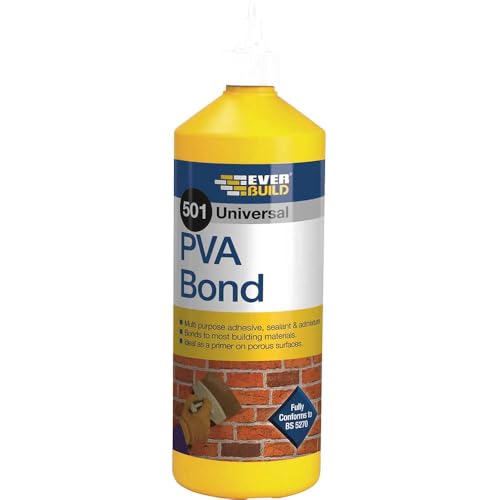
Everbuild 501 is a traditional PVA bonding agent that doubles as a general-purpose adhesive. It’s suitable for wood, cork, paper, and textiles, and can be used as an internal filler when mixed with plaster or shavings. This multipurpose product also enhances flexibility in cement-based mortars and renders, potentially improving frost resistance and reducing salt penetration. It’s a practical option when you need a reliable, all-around bonding additive.
Larsen Plaster-Weld Bonding Agent Quart

The Larsen Plaster-Weld Bonding Agent Quart is a ready-to-use bonding solution for plaster-based surfaces. It’s formulated to promote adhesion in interior environments and assists in preparing plastered or textured surfaces for subsequent coatings. The pink color marker helps identify treated areas and provides a non-bleeding visual cue during application. For larger projects, the gallon version offers extended coverage and consistent performance.
Larsen Weld Plaster Bonding Agent Gallon

This gallon-sized Larsen Weld Plaster Bonding Agent provides a larger quantity option for plaster bonding in both interior and exterior projects. The product is designed for plaster-to-surface adhesion, with color markers to indicate coverage. This option is suitable for professional-scale renovations, offering consistent performance across larger areas and ensuring stronger bonding before the topcoat is applied.
Buying Guide: Key Purchase Considerations
Surface compatibility: Check whether the bonding agent is designed for your substrate—wood, laminate, plaster, metal, or concrete. Some products excel on porous surfaces, while others work better on non-porous materials.
Topcoat compatibility: Ensure the product is compatible with your intended paint or coating type (oil-based, water-based, polyurethane, etc.). Some priming agents are solvent-free or water-based, affecting odor, cleanup, and drying time.
Ease of use: Consider whether you prefer a primer, bonding additive, or a combined product. Clear primers are ideal when you want to maintain the natural look underneath, whereas tinted primers can enhance coverage on challenging surfaces.
Toxicity and VOCs: Look for low-VOC, low-odor options, especially for indoor projects. Eco-friendly formulations reduce exposure risk and environmental impact.
Quantity and coverage: Evaluate the project size and choose an option with sufficient volume. Bonding agents vary in spread rate, so larger jobs may benefit from gallon sizes or multipacks.
Application method: Some products require mixing with the topcoat, while others are applied as a standalone primer. Read the label for mixing ratios, cure times, and recoat windows.
Durability: Consider the expected environment—wet bathrooms, kitchens, garages, or outdoor walls. A higher adhesion bond and moisture resistance can prevent coating failures.
Brand reputation and compatibility: Reputable brands with tried-and-true performance in residential settings tend to provide more reliable results. Always confirm compatibility with your specific paint system.
Additional Perspectives
For DIY projects, ease of use and clear instructions are often decisive factors. A primer that dries clearly helps preserve the original wood or surface tone, especially when distressing finishes is planned. For professionals, reliable long-term adhesion and consistent batch performance are critical, particularly on high-traffic areas or exterior applications.
Price and availability can also influence decisions. While higher-end bonding agents may offer marginal gains in adhesion, many standard PVA and primer products provide sufficient performance for most interior projects at a reasonable cost. Always test a small area first to verify adhesion before committing to a full project.
Consider mixed-use products when you need both adhesive properties and primer functions. For complex projects involving multiple materials (wood, metal, and laminate), a universal bonding agent with proven compatibility can save time and reduce the number of products used.