Best Drywall Tape for Cracks: Top Seam Patches for Wall Repair
Cracks in drywall can emerge from settling, humidity, or temperature changes. The right drywall tape helps reinforce seams, prevent future cracks, and deliver a smooth finish when you patch them. Below are carefully chosen tapes—featuring fiberglass mesh, self-adhesive options, and heavy-duty materials—that perform well on interior walls and ceilings. Each product is evaluated for adhesion, durability, ease of use, and suitability for both DIYers and pros.
| Product | Brand | Key Strength |
|---|---|---|
| LYLTECH Drywall Joint Tape-13 MESH, 1.88-Inch X 180Feet | LYLTECH | 100% fiberglass mesh, self-adhesive, high-density, alkali resistant |
| LLPT Drywall Repair Fiberglass Joint Tape 2” x 100 Ft | LLPT | Industrial-strength mesh, strong adhesion, long-lasting |
| NEZUIBAN Drywall Joint Tape, 1.97” × 150 Ft | NEZUIBAN | Fiberglass mesh, corrosion/temperature resistance, strong adhesion |
| Strait Flex Drywall Tape – 2″ x 100ft | Strait Flex | Twice as strong as standard tape, seals cracks, sands smooth |
| XFasten Drywall Repair Mesh Tape – 6” × 90 Ft | XFasten | Industrial-grade fiberglass, long-lasting rigidity, mess-free adhesive |
Note: The following sections highlight five products chosen for their relevance to repairing cracks and seams in drywall. Each entry provides a concise overview and practical guidance to help you choose the right tape for your project.
LYLTECH Fiberglass Joint Tape For Cracks

LYLTECH’s Drywall Joint Tape combines a 0.8 mm thick 100% fiberglass mesh with a high-density weave, delivering robust tensile strength and alkali resistance. The tape is self-adhesive and repositionable, minimizing the need for pre-painting joint compound during installation. It is especially useful for difficult-to-reach seams or corners where traditional paper tapes might lift or bubble. The durable fiberglass mesh resists tearing and shrinking, helping to maintain a smoother finish over time. For homeowners tackling long cracks or multiple cracks in a room, this tape offers predictable adhesion and an easier setup for subsequent spackling and sanding.
Usage tips: Clean the surface, cut the tape to length, press firmly along the crack from center outward, and apply joint compound after initial adhesion to smooth the surface. Repositioning is possible, but working quickly helps set the tape securely.
LLPT Industrial Fiberglass Tape For Seam Repair

LLPT Drywall Repair Fiberglass Tape is designed for both interior and exterior drywall applications, making it versatile for various walls and ceilings. The industrial-strength mesh offers good resistance to vibration and movement, helping prevent future cracks in seams and patches. The tape adheres directly to clean surfaces, eliminating the need for separate bonding agents in many cases. It’s described as resistant to cracking, tearing, and shrinking, and developers note a long lifespan under typical spackle, joint compound, and finishing layers. The tape is easy to cut and handle, with a strong bond that holds up through multiple coats of putty and paint.
Usage tips: Align the tape over the crack, press to ensure full contact, and apply multiple coats of joint compound, allowing each coat to cure before the next application. For larger repairs, reinforce with additional texture smoothing after final curing.
Saypacck Self-Adhesive Stress Crack Tape
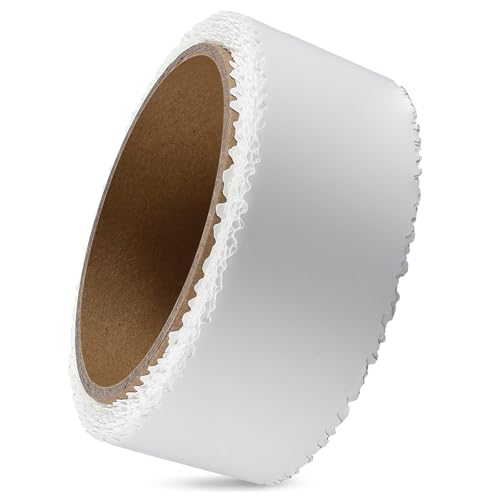
Saypacck’s Self-Adhesive Stress Crack Tape offers an easy peel-and-stick application, which is ideal for quick temporary or semi-permanent repairs. The white color blends well with most wall finishes, making seams less noticeable after painting. The tape’s uneven-edge design helps it “fade” into the wall texture for a smoother finish. While it’s designed for stress cracks and minor repairs, it may not be ideal for deep, structural cracks or areas with extensive movement. This tape is best suited for light-duty repairs or as a preparatory patch before finishing layers.
Usage tips: Clean and smooth the crack, measure and cut the tape, apply with even pressure, then apply joint compound over the patch. Sand lightly after curing for a seamless look before painting.
NEZUIBAN Fiberglass Joint Tape For Cracks

NEZUIBAN Drywall Joint Tape uses a high-density fiberglass mesh designed to resist corrosion and withstand elevated temperatures. The tape is self-adhesive, simplifying the repair process by eliminating the need for a separate bonding agent. It’s suitable for both interior and some exterior applications and is described as having strong adhesion that remains stable under putty and finishing coats. The mesh’s toughness helps prevent crack propagation and ensures a durable patch. It’s particularly useful for repairing long or multiple cracks and when working with plaster or cement-adjacent materials.
Usage tips: Prepare the surface by cleaning and drying, cut the tape to size, apply to the crack, and then cover with joint compound. Allow curing between coats and sand for a smooth finish before painting.
XFasten Drywall Repair Mesh Tape

XFasten’s mesh tape emphasizes structural strength, claiming up to 25 years of rigidity in patches. The reinforced backing and adhesive help patch holes and cracks quickly with minimal pre-coating of joint compound. The tape is designed for ease of use, making it accessible to homeowners with limited repair experience while delivering a professional-looking finish. The mesh is described as providing a clean, subtle finish as it blends with surrounding drywall after finishing layers are applied. It’s a strong all-around option for a variety of drywall patches and crack repairs.
Usage tips: Cut to length, press firmly to seat the tape, then apply joint compound in multiple coats. Sand between coats and finish with a final top coat for a smooth surface.
Buying Guide: Key Considerations For Choosing Drywall Tape For Cracks
- Type and material: Fiberglass mesh tapes are common for cracks due to their strength and resistance to cracking. Paper tapes can also work, but mesh tapes tend to be easier to position and less prone to bubbling when used with joint compound.
- Adhesion: Self-adhesive tapes save time, especially on vertical surfaces. Consider tapes with strong bonding and the option to reposition briefly during installation.
- Width and length: Wider tapes cover longer cracks more efficiently; longer rolls reduce the need to switch tapes frequently. Measure crack spans before purchasing.
- Environment: For rooms with higher humidity or moisture exposure, choose tapes with corrosion and moisture resistance. Some tapes are designed for both interior and exterior use.
- Finish compatibility: Tapes should work with standard joint compounds and spackle. Look for tapes that allow multiple coats of mud without creeping or tearing.
- Skill level: For beginners, self-adhesive and easy-to-sand options reduce difficulty. For professionals, industrial-grade tapes provide extra durability for long-term patches.
- Patch strategy: For long or persistent cracks, plans often include reinforcing with multiple layers of mud and a final skim coat to achieve a seamless finish. Tape is typically the first step in this process.
When choosing a drywall tape for cracks, consider the wall material, the expected movement of the surface, and the final finish you want after painting. For most interior residential repairs, a self-adhesive fiberglass mesh tape with good adhesion and a smooth finish after mudding is a reliable choice. For larger cracks or high-mlexed surfaces, a higher-strength tape paired with multiple finishing coats yields the best long-term results.