Best Window Film for Glare: Durable Options to Cut Brightness and Heat
Glare from the sun can make rooms uncomfortable, wash out screens, and fades furnishings. The right window film can dramatically reduce glare, lower heat, and protect interiors without sacrificing visibility or light. This guide highlights top glare-reducing window films available on Amazon and explains how to choose based on visibility, UV protection, and easy installation. Below is a concise product summary to compare your best options at a glance.
| Product | Brand | Size / Coverage | Glare Reduction |
|---|---|---|---|
| Gila CS78 Glare Control Smoke Film | Gila | 36″ x 6.5′ | Up to 80% glare reduction |
| Savvy Choice Anti-Glare Window Film | Savvy Choice | 17.5″ x 78.7″ | Blocks 93% UV, 85% IR |
| Haton One Way Privacy Window Film | Haton | 17.5″ x 78.7″ | Blocks 90% UV, 85% IR |
| rabbitgoo Window Privacy Film | rabbitgoo | 17.5″ x 78.0″ | Blocks up to 83% UV, 24% VLT glare reduction |
| Coavas One Way Privacy Window Film | Coavas | 17.5″ x 78.7″ | Blocks 95% UV, reduces glare |
All five options below are selected for effective glare control, energy savings, and simple DIY installation. Each product section includes a concise highlight of what to expect, installation notes, and how it protects interiors over time. Prices and availability can vary by seller and stock.
Gila CS78 Glare Control Smoke Film

Gila CS78 delivers substantial glare reduction for bright rooms, ideal for living rooms, home offices, and media areas. This film rejects up to 46% of total solar energy, helping keep interiors cooler and more comfortable during peak sun. It also blocks up to 98% of UV rays, protecting carpets and furnishings from fading. With these features, occupants experience less eye strain and improved viewing outcomes on screens and displays. Installation is straightforward for DIY projects, and the film adheres to standard glass surfaces with relative ease.
Savvy Choice Anti-Glare Window Film
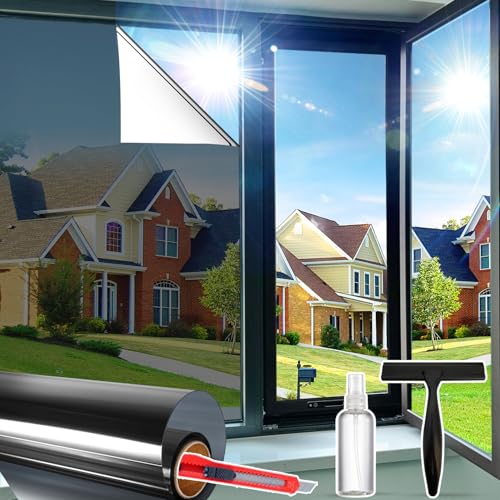
This one-way privacy film balances daylight with glare control. It provides daytime privacy through a mirror effect when outside light is brighter, while inside light can reveal clear views when conditions change. It reflects a large portion of the sun’s heat—lowering energy use and supporting a comfortable interior climate. UV blocking reaches about 93%, with 85% blocking of infrared rays, contributing to reduced furniture fading and glare. Note that privacy can vary with lighting, so curtains may be needed after dark in some instances.
Haton Window Privacy Film One Way

Haton’s reflective window film offers a balance of heat control and privacy with a simple static cling installation. It reflects external heat to help keep interiors cooler in summer and warmer in winter, contributing to energy savings. The film blocks about 90% of UV rays and 85% of infrared rays, reducing glare and fading while preserving some natural light. Since it uses a no-glue approach, removal or repositioning is relatively easy, making it suitable for renters or temporary installations.
rabbitgoo Window Privacy Film

rabbitgoo offers a versatile, removable reflective film designed to reduce heat transmission while mitigating glare. It blocks up to 83% of UV rays and provides approximately 24% visible light transmission, striking a balance between outward visibility and interior comfort. The static cling design means no adhesives, simplifying installation and removal—an advantage for renters or multi-season use. This film is well-suited for spaces that require glare control without sacrificing daylight.
Coavas One Way Privacy Window Film

Coavas One Way Privacy Window Film provides effective glare defense with a high UV rejection rate of up to 95%. Its 13% VLT helps maintain a crisp outdoor view while reducing harsh sunlight. The one-way privacy feature is most evident when the outside is brighter, though varying lighting can influence the level of visibility from the inside. The film uses a static cling method, enabling easy installation without adhesive or messy cleanup, suitable for windows at home or in small offices.
Buying Guide: Key Purchase Considerations
When choosing a glare-reducing window film, consider these factors to ensure the best fit for your space:
- Glare Reduction and Visible Light Transmission: Higher glare reduction often means less natural light. Look for a balance where you still enjoy daylight while cutting glare.
- UV and IR Blocking: UV protection prevents fading and skin exposure, while IR blocking reduces heat transfer. If you want both, select films with strong UV and IR performance.
- Privacy Level: One-way or reflective films offer daytime privacy but may change at night. Consider your privacy needs during different times of day and whether curtain backups are needed.
- Installation Type: Static cling vs. adhesive-backed. Static cling is removable and renter-friendly, while adhesive films tend to be longer-lasting but require cleaning and alignment during installation.
- Ease of Removal and Reuse: If you expect to move or reconfigure windows, choose films designed for reuse or easy removal without residue.
- Durability and Maintenance: Look for scratch resistance and compatibility with standard glass. Some films may require gentle cleaning with non-abrasive cleaners.
- Size and Fit: Measure window dimensions carefully. Many films come in standard widths (like 17.5″ or 36″) and must be cut to fit. Accurate measurements prevent gaps and uneven edges.
- Cost and Compatibility: Compare multiple brands for glare reduction, energy savings, and privacy. Budget-friendly options can still offer strong performance, especially for large windows.
In summary, the selections above provide varied approaches to reducing glare—from heavy-duty glare control to one-way privacy—while maintaining natural light and energy efficiency. Choose based on the balance between glare reduction, privacy needs, and installation convenience to align with your space’s sunny exposures and usage patterns.