Best Concrete Form Release Agents for Clean, Easy Molds and Forms
Answering the need for dependable form release agents, this guide highlights top choices that deliver clean releases, minimal residue, and practical coverage. Ideal for builders, DIY enthusiasts, and precasters, these products suit forms made from wood, metal, plastic, and composite materials. Each pick is evaluated for best-use scenarios, coverage, and safety considerations to help you choose confidently.
| Product | Best For | Key Benefit |
|---|---|---|
| Akona Concrete Form Release (1 Gallon) | General purpose, small to medium jobs | Fast, non-staining release with visible white spray |
| Formcoat WB250 Concrete Form Release (1 Gallon) | Architectural or precast projects | Solvent-free, VOC-compliant, non-residue finish |
| Walttools Form Shield | Indoor or job sites with odor concerns | Water-based, non-toxic, low odor |
| Blue Bear 800GP | High-yield, large-area forms | Concentrated, non-staining, versatile |
| Sakrete Form Release Oil (5 Gallon) | Bulk use for heavy or ongoing projects | U.S.-made, standard option for serious workloads |
Akona Concrete Form Release – 1 Gallon
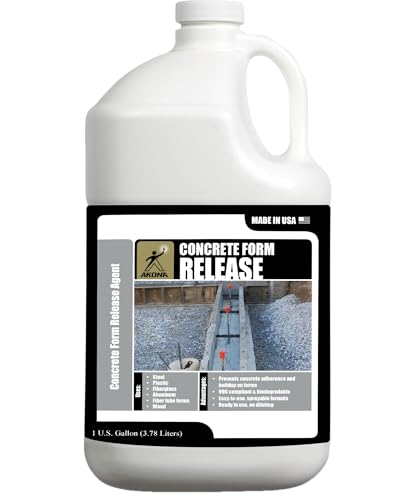
Product highlights center on versatility and ease of use. The formula releases concrete from plywood, fiberglass, aluminum, steel, urethane, and other forming materials. It is ready-to-use with no mixing, shaking, or dilution required, allowing spray or pour application for fast, consistent coverage. The white application helps visibility during use and dries non-staining, leaving no residue on the concrete surface for a smooth finish.
Best for: small-to-medium jobs, mixed-material forms, or setups where quick reapplication is needed without downtime. This option suits contractors and DIYers who prioritize straightforward use and predictable results.
Caution: While designed to minimize staining, ensure adequate ventilation when spraying and avoid over-application on delicate surfaces to prevent buildup on edges.
Formcoat WB250 Concrete Form Release Agent – 1 Gallon
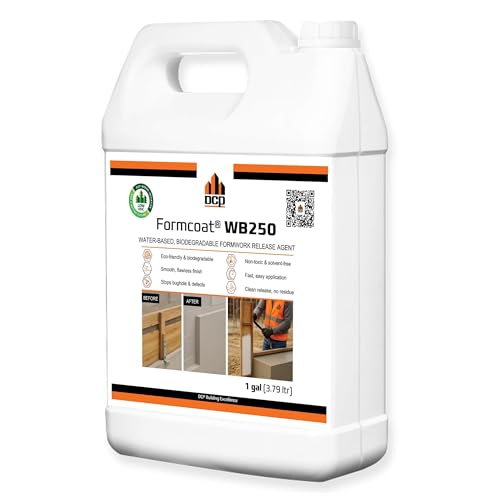
Designed for professional results, Formcoat WB250 emphasizes a non-staining, residue-free surface. It is a solvent-free mold release suitable for wooden, plastic, and metal molds, making it a versatile choice for precast plants, commercial jobs, and DIY projects at home. The product is VOC-compliant across the U.S. and Canada, which supports safer work environments.
Best for: projects requiring a clean, architectural-grade finish and a safe, solvent-free option. It is particularly advantageous when regulatory or indoor-use concerns are present.
Caution: As a formal release agent, it may require slightly longer cure times on certain composite molds; test a small area if exact timing matters for your workflow.
Walttools Form Shield Concrete Form Release – 1 Gallon
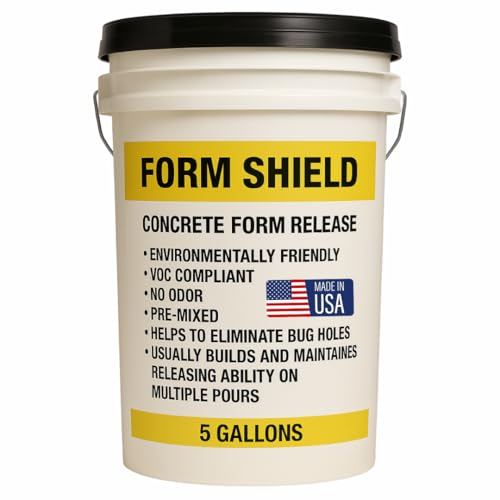
Form Shield emphasizes a balance of performance and safety. It is water-based and VOC-compliant, offering a low-odor option suitable for indoor projects or crowded job sites. The product is non-toxic and solventless, featuring an environment-friendly formula that reduces potential exposure to workers while providing a clean release with fewer surface imperfections.
Best for: job sites prioritizing indoor use, low odor, and worker safety, without compromising release quality. Good for projects that require minimal edge blemishes and a straightforward cleanup.
Caution: Some users may need to reapply on deeply textured forms; follow the recommended spray distance for even coverage to avoid pooling.
Mitreapel Silicone Mold Release Spray – 14.4 oz

Mitreapel offers a high-silicone content mold release suitable for silicone and rubber molds. The spray format makes application easy, and the formula is designed to prevent sticking during epoxy projects and similar applications. The emphasis is on ensuring easy release while preserving mold integrity and detail.
Best for: projects that use silicone or rubber molds where sticking is a common challenge. Choose this if your molds are prone to silicone-to-silicone adhesion and you need reliable release with minimal effort.
Caution: High silicone content can leave a thin film; use sparingly on highly detailed forms where a slick surface might obscure fine features.
Akona Concrete Form Release – 1 Gallon (4-Pack)

This multi-pack option provides versatile, dependable form release across multiple forms or ongoing projects. It shares the same ready-to-use formula, offering easy spray or pour application, white visibility during application, and a non-staining finish. The 4-pack provides extended coverage for larger jobs or repetition across forms.
Best for: contractors or DIYers with frequent or bulk-forming needs who want consistent results across several forms without reordering often.
Caution: Ensure the batch is stored in a cool, dry place; extended exposure to heat may impact spray consistency in some climates.
Blue Bear 800GP: High-Yield Concrete Form Release

Blue Bear 800GP emphasizes high-yield performance with up to 2,500 square feet of coverage per gallon. It is compatible with wood, metal, plastic, styrene, urethane, and fiberglass forms, and leaves a non-staining, paintable finish that preserves finish quality for subsequent decorative work.
Best for: large-scale projects or repeated use on a variety of form materials where maximizing coverage per gallon is important and a paint-ready surface is beneficial.
Caution: Concentrated formulas require careful measuring for precise coverage; avoid over-application on thin-walled forms to prevent seepage into the mold.
Sakrete Form Release Oil – 5 Gallon Pail

A bulk option from a trusted U.S. supplier, Sakrete Form Release Oil is suitable for ongoing or large-scale operations. It offers dependable performance for releasing concrete from standard forms and is commonly chosen for bulk usage in fabrication shops and on larger construction sites.
Best for: heavy workloads or continuous use where a cost-efficient, readily available form release is a practical choice. Avoid this if smaller volumes are needed or if solvent-free requirements are strict in your project environment.
Buying Guide: Key Considerations For Choosing A Form Release Agent
- Surface compatibility: Consider whether your forms are wood, metal, plastic, urethane, or fiberglass, and select a release that is proven for those materials.
- Residue and finish: If you need a clean surface for any subsequent finishing, prioritize non-staining and residue-free options.
- Solvent content and safety: For indoor jobs or spaces with odor sensitivity, VOC-compliance and solvent-free formulas are advantageous.
- Application method: Choose sprays, pours, or brush-on types based on mold accessibility and project scale.
- Yield and coverage: Large projects benefit from high-yield options; check the expected coverage per gallon to avoid shortages.
- Cleanup and reusability: Some agents reduce cleanup time; others are designed for reuse across multiple molds with consistent results.
- Environmental and worker safety: Non-toxic and low-odor formulas contribute to safer job sites, especially indoors.
Frequently Asked Questions
- What is a concrete form release agent used for?
– It creates a clean separation between concrete and the form to prevent sticking, reduces surface imperfections, and helps achieve smoother finishes. - Which release agent is best for wooden molds?
– Many are versatile, but formulations designed for wood and metal molds, like Formcoat WB250, are often recommended for smooth, architectural-quality finishes. - Are water-based releases better for indoor projects?
– Yes, water-based options tend to have lower odor and VOCs, making them safer for indoor use and enclosed spaces. - Can I use the same release for different mold materials?
– Some products are formulated to work across wood, plastic, metal, and composites; always verify cross-material compatibility before use. - Do high-yield concentrates require special handling?
– High-yield formulations can be economical for large jobs but may require careful application to avoid pooling on delicate molds. - Is it necessary to wipe off release residue from forms after use?
– Residue-free or non-staining formulations minimize cleanup; however, follow the product’s guidance for best results on repeat uses.