Best Bamboo Flooring Solutions for Basement Living and DIY Projects
Answering the most common basement flooring questions, these bamboo and bamboo-inspired options offer moisture-tolerant ideas, easy installation, and durable performance. This guide highlights five products suited for basements, home offices, and living spaces. Best for DIY homeowners, basement remodelers, and renters seeking stylish, affordable options that can withstand basement conditions with proper subflooring and moisture control.
Summary of chosen products:
- JEEDESON Solid Bamboo Flooring Planks, Light Honey — Best for: rooms needing a genuine bamboo surface with easy DIY installation.
- Forest Floor 3/8 Inch Foam Tiles — Best for: temporary or semi-permanent basement areas needing cushioned comfort.
- Jeedeson Solid Bamboo Flooring Planks (Longer) — Best for: small offices or living spaces needing a longer plank layout and refined finish.
- Sorbus Wood Grain Floor Mats Foam Interlocking Tiles — Best for: budget-friendly, cushioned, modular basement flooring.
- Forest Floor 5/8 Inch Foam Tiles — Best for: larger basements requiring substantial anti-fatigue cushioning.
JEEDESON Solid Bamboo Flooring Planks, Light Honey
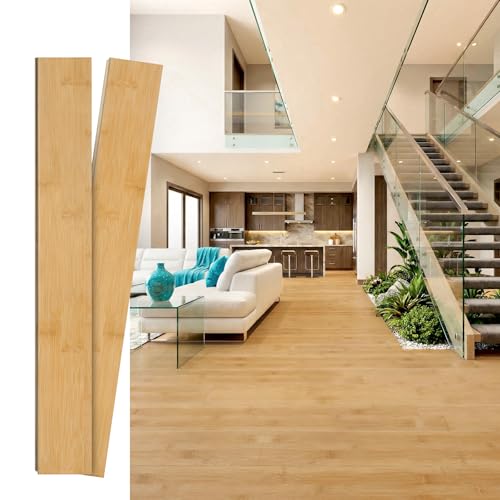
Best for: rooms needing an authentic bamboo look with straightforward installation. These planks feature a 30-gloss finish in a light honey tone, with Tongue-and-Groove edges for seamless floating-floor setup. Each plank measures 37.8″ L x 3.78″ W x 0.6″ T and includes a sample pack to verify fit and color before full purchase. The construction uses solid bamboo, allowing multiple refinishes for longevity.
Why selected: The combination of a natural bamboo surface and DIY-friendly interlocking system makes this option ideal for basements where a durable, easy-to-refinish floor is desired. The 0.6″ thickness supports underlayment choices and stability on concrete subfloors with proper moisture barriers.
Caution: For basement use, ensure a suitable moisture barrier and subfloor preparation to minimize expansion or contraction. Variation in texture and color should be anticipated as part of the natural material.
Forest Floor 3/8 Inch Thick Printed Foam Tiles

Best for: basements needing cushioned, anti-fatigue flooring in living, play, or workout areas. These interlocking EVA foam tiles measure 24″ x 24″ x 3/8″ thick and feature a wood grain finish for a stylish look without heavy installation. They can transform concrete or hard subfloors into more comfortable spaces.
Why selected: Lightweight, modular, and easy to install, these tiles are ideal for frequently changing layouts or rental spaces where permanent flooring isn’t possible. They offer a soft underfoot feel and can be removed without damage.
Caution: Foam tiles may not be suitable for high-moisture areas or heavy wheeled equipment. Inspect for gaps and ensure proper sealing at edges to prevent moisture buildup.
Jeedeson Solid Bamboo Flooring Planks, 40.15″ L x 5.11″ W

Best for: small-to-medium spaces seeking a refined bamboo surface with a longer plank look. This product offers a longer 40.15″ length and 0.6″ thickness with Tongue & Groove for a smooth floating floor. It’s designed for living rooms, bedrooms, or offices requiring a premium aesthetic and durability.
Why selected: The longer planks can create an elegant, continuous visual in tighter spaces, while bamboo’s natural hardness helps resist wear in high-traffic zones. The kit notes color variation and color confirmation steps, helping set expectations for the finished floor.
Caution: Color and color shade may vary across displays; consider ordering a small pack first to confirm match before broad installation.
Sorbus Wood Grain Floor Mats Foam Interlocking Tiles

Best for: budget-conscious basements needing cushioned, modular flooring in playrooms, offices, or studios. These interlocking tiles resemble wood grain and come in a 1 sq ft tile size with 3/8″ thickness, enabling easy expansion by adding more tiles.
Why selected: The modular tiles provide quick coverage and simple installation, reducing the need for heavy tools. They fit well in spaces where temporary flooring or adaptable layouts are important.
Caution: This option may not withstand heavy rolling equipment or moisture-heavy environments; use proper moisture control on concrete slabs and inspect seams for gaps.
Livelynine Wood Vinyl Plank Flooring Peel and Stick

Best for: renters or DIYers needing a quick, stick-on option with water resistance for kitchens, baths, or basements with flat subfloors. The kit includes 18 planks at 6 x 36 inches per plank, using vinyl with a wood-like finish that mimics bamboo aesthetics.
Why selected: Peel-and-stick tiles offer a fast, tool-free installation and are easily removable for redecorating or moving. They provide a moisture-tolerant surface suitable for low to moderate humidity basements when applied over a clean, dry surface.
Caution: Vinyl planks can be less durable under heavy furniture and sharp impacts; use underlayment or protective mats in high-traffic zones to extend life.
Forest Floor 5/8 Inch Foam Tiles, Light Bamboo
Best for: large basements needing substantial anti-fatigue support and a formal wood-grain look. These 5/8″ thick interlocking foam tiles cover more area with good cushioning for standing tasks, play areas, or gym spaces.
Why selected: The thicker foam adds notable floor comfort and can reduce fatigue during long tasks. The faux wood grain finish elevates appearance while maintaining affordable installation and expansion options.
Caution: The higher thickness may raise door clearances; confirm door and baseboard clearances before installation. Also ensure proper moisture management beneath foam tiles.
Buying Guide: Key Considerations for Basement Flooring
What subfloor and moisture considerations matter?
Basements often have concrete subfloors with varying moisture. Choose materials with moisture tolerance, an appropriate underlayment, and a vapor barrier. Floating floors with T&G edges or moisture-resistant vinyl can perform better when a proper subfloor treatment is applied.
What installation method fits my needs?
Options include floating bamboo floors, interlocking foam tiles, or peel-and-stick vinyl planks. Floating bamboo floors require a clean, dry subfloor and may need underlayment; foam tiles offer rapid, modifiable installation; peel-and-stick planks provide quick, renter-friendly setup.
How important is durability and maintenance?
Bamboo planks are hard and durable, suitable for traffic-heavy spaces. Foam tiles prioritize cushioning and ease of replacement but may wear faster with heavy equipment. Vinyl deck planks resist moisture but can dent from sharp objects. Plan maintenance around traffic and furniture.
What design outcomes should I expect?
Longer planks create a continuous visual flow. Light honey tones brighten basements with natural warmth. Foam tiles deliver a casual, soft look and are easy to reconfigure. For a premium aesthetic, bamboo planks with a consistent finish offer a refined appearance.
What is the best option for renters or temporary setups?
Renters should consider peel-and-stick vinyl or modular foam tiles due to easy removal and minimal impact on existing floors. Both options deliver quick results and flexible reconfiguration without permanent changes.
FAQ
- Is bamboo flooring suitable for basements?
Yes, when moisture control and proper subfloor preparation are in place. Bamboo is durable and can be installed as a floating floor with appropriate underlayment.
- Which option is easiest to install for a DIYer?
Foam interlocking tiles and peel-and-stick vinyl planks are typically easiest for beginners due to minimal tools and faster setup.
- Can I mix bamboo with foam tiles in the same basement?
Yes, but plan transitions carefully to avoid tripping hazards and ensure moisture barriers are consistent across zones.
- What maintenance practices extend bamboo flooring life?
Keep the area dry, use a compatible floor cleaner, reseal or refinish as needed, and use protective pads under furniture to prevent dents.
- Do these options require professional installation?
Most DIY-friendly options can be installed without professionals, though complex basements or moisture concerns may benefit from expert guidance.
- Are foam tiles good for high-traffic basement areas?
Foam tiles provide cushioning and easy optimization, but for heavy traffic, consider combining with a more durable surface or selecting higher-density foam.