Best Resilient Channels for Drywall: Top Picks for Soundproofing and Quiet Spaces
Resilient channels for drywall are a proven method to reduce noise transfer between walls and ceilings. This guide highlights the best options for American buyers, covering various needs—from DIY soundproofing in home studios to quiet home offices. The top picks focus on decoupling, vibration dampening, and compatibility with common furring channels. Ideal buyers include homeowners renovating living spaces, hobbyists building home studios, and professionals seeking reliable, easy-to-install sound isolation components.
| Product | Best For | Key Benefit | Notes |
|---|---|---|---|
| RC-1 One Legged Resilient Channel | DIYers and small projects | Durable 25-gauge construction with long 8 ft lengths | Box of 32 channels; 2.0″ W x .5″ D x 96″ L |
| Trademark Soundproofing Hat Channel | Standard drywall builds | 25-gauge hat channel with full compatibility for sound clips | 8.6 ft length; 2.5″ wide; pack of 20 |
| JARBIH Plaster-in LED Aluminum Channel | Wall decor and integrated lighting projects | Invisible embedded channel for recessed lighting with diffuser | 10 mm compatibility; black cover; 10 pcs pack |
| Channel And Clips Combo | Comprehensive soundproofing installs | Bundle with hat channels, clips, and mounting screws | 20 channels + 50 clips; up to 210 sq ft coverage |
| Mindoub Soundproofing Clips (100 Pack) | High-volume decoupling projects | Durable galvanized steel with resilient rubber pads | 75% reduction claim; compatible with 7/8″ hat channels |
RC-1 One Legged Resilient Channel

The RC-1 is a single-leg resilient channel designed for dry construction where space constraints exist. It uses a 25-gauge (18 mils) profile and ships as a case of 32 channels, each 8 feet long. This configuration is best for small to medium drywall projects where easy handling and straightforward installation matter. Best for DIYers and contractors needing extended lengths for fewer joints. A potential limitation is that 8-foot lengths may require butting on longer runs, which could introduce joints if not aligned carefully.
Trademark Soundproofing Hat Channel

This hat channel pack includes 20 resilient channels of 8.6 feet length (102 inches) with a 25 gauge profile and 7/8″ depth. The channels are hemmed for added rigidity and are designed to work with standard resilient sound isolation clips for a complete decoupled wall or ceiling assembly. Best for typical drywall builds where a reliable, wide-channel solution is needed. Limitations to watch for: ensure compatibility with your chosen clips and framing before purchase.
10 Pack 3.2ft Plaster-in LED Aluminum Channel

Although primarily an LED aluminum channel, this product serves well in projects that require a recessed, slim profile for light fixtures within drywall. It is made from 6063-T5 aviation aluminum to resist corrosion and heat, with a diffusing acrylic cover. Best for applications linking lighting with drywall aesthetics. It is compatible with LED strips up to 10 mm and can be cut to fit. Caution: this is not a traditional sound isolation channel; use it where lighting integration is the priority.
Channel And Clips Combo

This bundle provides 20 hat channels, 50 full rubber resilient sound clips, mounting screws, and an easy-installation guide. It offers a practical all-in-one solution for reducing airborne and impact noise, claiming significant STC improvements. Best for projects aiming for a streamlined process with minimum sourcing. A potential limitation is that the kit’s overall performance depends on correct installation and compatibility with your framing system.
Mindoub 100-Pack Soundproofing Clips
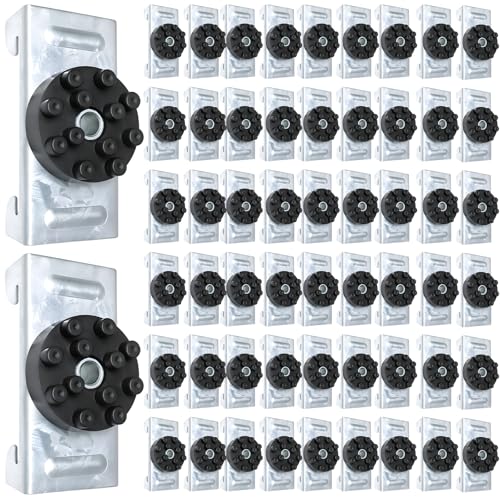
The Mindoub 100-pack focuses on decoupling by using galvanized steel clips with resilient rubber pads. This design dampens vibrations and reduces structure-borne noise, improving sound isolation when used with standard 7/8 inch hat channels. Best for larger projects needing high clip counts and reliable long-term performance. Limitation to consider: ensure the clips fit your chosen hat channel size and project demands.
Buying Guide: Key Purchase Considerations
What should you assess before buying resilient channels and clips?
- Project scope: For small rooms, select longer channels to minimize joints; for larger builds, bundles with clips simplify procurement.
- Compatibility: Confirm channel gauge, width, and depth align with your existing studs, framing, and clips.
- Decoupling efficiency: Higher gauge metal and rubber-damped clips typically deliver better vibration isolation.
- Installation effort: Bundles including screws and installation guides save time; uneven surfaces may require additional fasteners or spacers.
- Aesthetic considerations: If embedding channels near visible surfaces, choose slim profiles or integrated LED channels where appropriate.
- Budget and quantity: Plan for safety margins; buy in multi-packs for consistency in material performance.
FAQ
- What is a resilient channel, and how does it reduce noise?
Resilient channels decouple drywall from studs or joists to dampen structure-borne vibrations and lower sound transmission. - Which product is best for a quick DIY soundproofing install?
The RC-1 or Channel And Clips Combo offers straightforward installation with pre-matched components for typical walls or ceilings. - Are LED aluminum channels suitable for soundproofing?
No. LED channels are designed for lighting and not optimized for decoupling; use them only if lighting integration is your priority. - Can I use these components in masonry or concrete walls?
Some clips and channels are compatible with various substrates; verify mounting options and required fasteners for your wall type. - How many clips come with a typical kit, and why does quantity matter?
Higher clip counts improve decoupling across larger surfaces and reduce the risk of weak points where noise can pass through. - Do these products affect fire resistance or building codes?
They influence sound transmission performance; check local codes and ensure proper installation for overall safety.