Best Sand for Brick Mortar: Where to Buy the Right Type for Each Job
Answering your search: the right sand for brick mortar depends on the project. For laying bricks, a properly graded masonry sand mixed with cement yields strong joints. For paving or joint repairs, polymeric or fine masonry sands offer better joint stability. The following five products are selected for common brick-mortar tasks, from traditional bricklaying to high-heat applications. This guide helps you pick the best option for your project and environment.
| Product | Best For | Why Selected |
|---|---|---|
| QUIKRETE Construction Grade Mortar Mix | Standard brick, concrete units, stone | Pre-mixed masonry cement and graded sand; convenient for typical brick mortar work |
| Gravel Company Fine Masonry Sand (10 lbs) | Paver joints, leveling, mortar mix base | Washed, fine-grain sand that smooths joints and supports clean installations |
| Tenon Refractory Mortar | Fireplaces, fire pits, chimneys | High-heat resistant, ready-to-use mix designed for refractory applications |
| SRW Pavermate Z3 Polymeric Sand | Paver joints, outdoor hardscape | Polymeric joint sand that hardens after watering to prevent weed growth and erosion |
| Rutland Dry Mix 211 Refractory Mortar | Fireplaces, kilns, pizza ovens | Refractory cement patch that withstands high temperatures and air-cure drying |
QUIKRETE Construction Grade Mortar Mix

Best for traditional brick laying and setting concrete units. This product combines masonry cement and graded sand to form a workable mortar for bricks, blocks, and stone. It is ideal for standard residential projects. Use this when you want a reliable, easy-to-mix mortar with predictable results in normal climate conditions.
Who it’s best for: DIY homeowners and professionals doing typical brickwork and stone setting. Why selected: it provides a balanced mix designed for general masonry joints with straightforward preparation and consistency.
Caution: Avoid using in high-heat or extreme weather conditions without confirming cure times; performance can vary when mixing ratios aren’t followed.
Gravel Company Fine Masonry Sand (3 lbs)
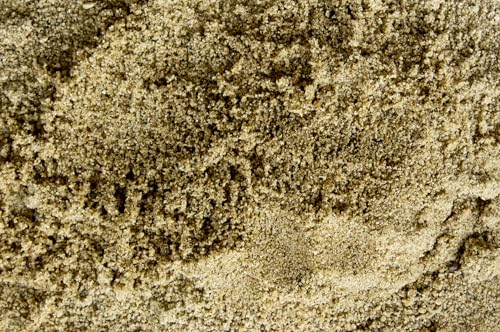
Best for mortar base and clean jointing under pavers or small masonry projects. This fine, washed sand helps produce smooth, uniform joints and stable mortar bases for level installations. It’s well-suited for projects where neat, tight joints are required and where sand needs to compact evenly.
Who it’s best for: small-scale projects and DIYers focusing on clean, precise joints. Why selected: its washed, fine texture supports smooth mortars and level surfaces.
Caution: For larger joints or heavy-duty loads, consider a larger quantity or alternate sand with higher angularity to improve stability.
Custom Colored Polymeric Sand – 15 Lb Bag (Brick Red)
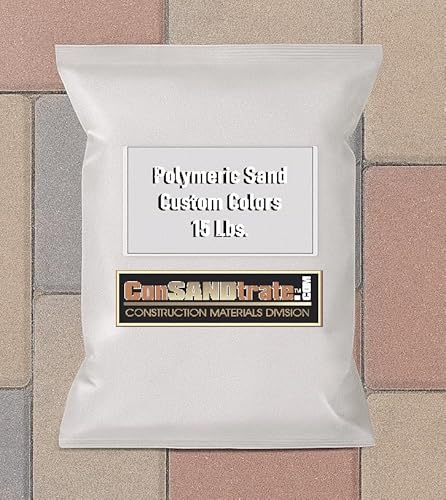
Best for decorative, long-lasting paver joints with color options. This product uses calibrated sands and color pigments to create durable joints that resist erosion and weed growth after setting. It’s a good choice when aesthetics matter as well as joint stability.
Who it’s best for: outdoor hardscape projects where color and long-term joint stability matter. Why selected: polymeric binders help lock pavers in place and reduce maintenance.
Caution: Polymeric sand requires careful installation; improper compaction or moisture management can affect curing and joint strength.
Gravel Company Fine Masonry Sand (10 lbs)
Best for larger scale mortar work and as a leveling base under pavers. This fine sand supports uniform texture and compaction under a variety of surfaces. It’s suitable for projects needing steady, even foundations for bricks, slabs, and stepping stones.
Who it’s best for: contractors and DIYers tackling medium to large paver or brick projects. Why selected: larger quantity in a compact bag with consistent texture supports stable installations.
Caution: Ensure it’s thoroughly washed and free of impurities to prevent joints from staining or weakening over time.
Tenon Refractory Mortar

Best for high-temperature applications such as fireplaces, pizza ovens, and chimneys. This refractory mortar is ready to use, designed to withstand heat exposure and maintain bond strength. It offers practical working time for assembly before hardening in arid or humid environments.
Who it’s best for: builders working near or within high-temperature settings. Why selected: heat resistance and indoor/outdoor versatility for masonry around fires.
Caution: Not suited for ordinary masonry joints away from fire exposure; use dedicated high-temperature mortars for normal bricklaying tasks.
Rutland Dry Mix 211 Refractory Mortar

Best for high-temperature masonry repairs and fire-safe joints. Dry mix with water activation cures in air, offering convenient handling for fireplace and oven projects. It’s designed to withstand extreme temperatures once cured.
Who it’s best for: DIYers and professionals performing firebox repairs or chimney work. Why selected: USA-made option with reliable high-heat performance and air-curing properties.
Caution: Requires accurate water-to-mix ratios to achieve desired strength; follow the mixing instructions closely for best results.
Buying Guide: Sand For Brick Mortar
- What’s your project type? Traditional bricklaying vs. paver installation vs. high-heat applications require different sands or mortars.
- Is color or aesthetics important? For decorative joints, polymeric or colored sands help achieve a uniform appearance.
- Do you need heat resistance? For fireplaces, ovens, or chimneys, choose refractory mortars or high-temperature mixes.
- What climate conditions apply? Freeze-thaw cycles demand stable, non-erosive materials and proper curing.
- What installation steps matter? Polymeric sands require precise joint cleaning and moisture timing; traditional mortars require proper curing times.
- What is the bag size and coverage? Bag quantity should align with project square footage to minimize waste and ensure even joints.
Frequently Asked Questions
- What sand is best for brick mortar? A graded masonry sand mixed with cement provides strong joints for standard brickwork.
- Can polymeric sand be used for brick mortar? Polymeric sand is typically used for paver joints, not traditional brick mortar; it can be used for joints between pavers but not as a substitute in bricklaying mortar.
- When should I use refractory mortar? Use refractory mortar for high-heat areas like fireplaces, fire pits, and kilns to resist heat damage.
- Is washed sand necessary? Washed sand reduces impurities that can weaken joints or stain surfaces.
- How much mortar mix do I need? Estimate by project area and joint thickness; follow product packaging recommendations for coverage per bag.
- Should I avoid concrete sand for pavers? Fine masonry sand is generally better for mortar joints; for leveling bases, select sands designed for bedding or paver installation.