Best Paints for Rubber Surfaces: Durable Coatings for Tires
Answering the demand for reliable, rubber-friendly coatings, this guide highlights five Amazon options that perform well on rubber surfaces such as tires, gaskets, hoses, and similar materials. Each pick is chosen for adhesion, flexibility, and durability on rubber-like substrates. Best for DIYers, automotive enthusiasts, and craftspeople seeking lasting color and protection without excessive prep. The table below compares the five products at a glance.
| Product | Best For | Notes |
|---|---|---|
| Krylon Fusion All-In-One Adhesive Spray Paint | General rubber and tough surfaces | Excellent adhesion; indoor/outdoor use |
| Artsunlvy White Paint Pens (2 Pack) | Precise markings on rubber surfaces | Waterproof, oil-based, quick-drying |
| Overseas Paint Pens (6 Colors) | Colorful rubber art and labeling | Oil-based, quick-dry, versatile on multiple surfaces |
| Rust-Oleum 251574 Automotive Trim & Bumper Spray Paint | Rubberized automotive trim and bumpers | Stops Rust formula; interior/exterior use |
| Rust-Oleum 248657 Rubberized Undercoating Spray | Undercoating on rubbery underbodies | Long-lasting protection, fast-drying |
Krylon Fusion All-In-One Adhesive Spray Paint for Indoor/Outdoor Use
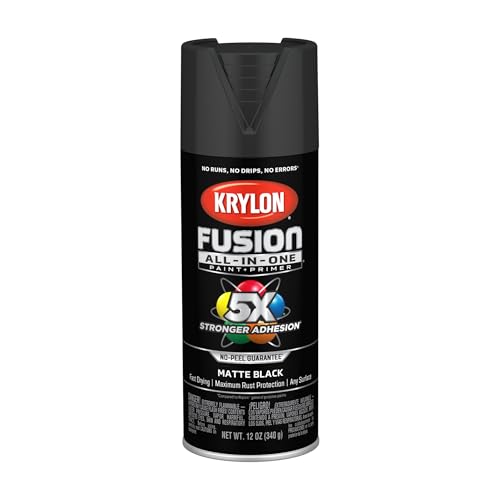
The Krylon Fusion All-In-One spray paint delivers strong adhesion to challenging surfaces, including rubber-like substrates, without sanding or priming. This versatile, rust-protective formula works indoors and outdoors and is suitable for plastics, wood, metal, PVC, tile, and more. Best for rubber items requiring a durable, uniform finish when you want a single-coat solution. Caution: the spray’s strong adhesion can be challenging to remove from non-target surfaces if oversprayed.
Artsunlvy White Paint Pens (2 Pack)

These oil-based, opaque white markers are ideal for rubber surfaces where precise marks are needed—such as labeling, decorative accents, or quick fixes on tires and rubber tools. They are waterproof, fast-drying, and fade-resistant. Best for projects requiring clear, high-contrast lines on dark rubber or rubberized materials. Limitation: color options are limited to white in this 2-pack.
Overseas Paint Pens Paint Markers (6 Colors)

These six-color oil-based markers are designed for rubber, metal, plastic, and more. They offer quick-drying, waterproof ink with a smooth flow and a durable nib for 2–3 mm lines. Best for bright, color-coded labeling or artwork on rubber surfaces. Consider these if you need multiple hues for rubber projects; note that some colors may require longer cure times in high-humidity environments.
Rust-Oleum 251574 Automotive Trim & Bumper Spray Paint
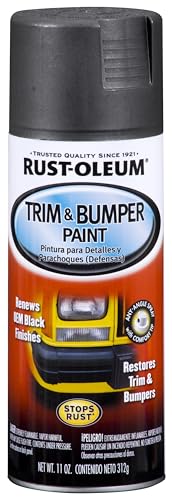
Designed for automotive parts, this spray is suitable for rubber trim and bumpers, delivering a durable coating that resists chipping. The Stops Rust formulation helps protect metal and some rubberized surfaces from corrosion. Best for automotive rubber components or exterior trims where a robust, even finish is needed. Limitation: may require surface prep to optimize adhesion on non-porous rubber surfaces.
Rust-Oleum 248657 Rubberized Undercoating Spray

This undercoating spray is explicitly designed for rubbery vehicle underbodies and other rubber surfaces. It provides a flexible, rubberized coating that dries to a protective, water-repellent film. Best for protection against moisture, salt, and road debris on rubberized components. Limitation: may be messy to apply in tight spaces; use masking and ventilation as recommended.
Buying Guide: Key Considerations For Rubber Surfaces
- Surface compatibility: Rubber and rubberized surfaces benefit from coatings that remain flexible, resist cracking, and bond without extensive surface prep. Opt for products advertised for plastic/rubber or automotive uses when possible.
- Adhesion vs. flexibility: A strong adhesive is valuable, but flexibility matters for rubber expansion and contraction. Look for terms like “flexible,” “rubberized,” or “undercoating” in the product description.
- Finish and appearance: Decide between matte, satin, or gloss finishes. For tires or automotive trim, a durable, weather-resistant finish is often preferred.
- Drying time and cure: Quick-drying formulas save time but ensure you apply thin, even coats to prevent drips on curved rubber surfaces.
- Application method: Aerosol sprays are convenient for broad coverage; markers are ideal for detail work. Consider masking and ventilation for safe application.
- Durability under conditions: If rubber items face moisture, salt, or abrasion, choose coatings with rust protection, waterproof properties, or undercoating features.
FAQ: Rubber Surface Painting Questions
- Q: Can I use any spray paint on rubber? A: It’s best to use sprays labeled for plastic, rubber, or automotive use to ensure adhesion and flexibility.
- Q: Do I need a primer for rubber surfaces? A: Some products claim primer isn’t required, but light cleaning and degreasing help improve adhesion on rubber.
- Q: Will paint crack on rubber due to flexing? A: Choose flexible, rubber-friendly formulas and apply thin coats; avoid hard, non-flexible finishes on highly curved rubber.
- Q: Is undercoating safe for all rubber components? A: Rubberized undercoatings are designed for underbodies and similar surfaces; test on a small area first if unsure.
- Q: How long does rubber coating take to cure? A: Drying times vary; many spray paints dry to touch within 20–30 minutes, but full cure may take longer depending on humidity and temperature.