Best Glass Aggregate for Concrete: Top Glass Fibers and Decorative Aggregates
Answering the question for builders and DIYers: glass-based concrete additives and decorative aggregates can improve durability, reduce cracking, and add striking visuals. This guide highlights five proven products that cater to different project needs—from reinforced mortars and anti-seepage mixes to decorative terrazzo and exposed-aggregate finishes. Best for contractors seeking strength and crack resistance, better for DIYers aiming at decorative surfaces, and choose-this-if you want color contrast and textured options.
| Product | Best For | Key Benefit |
|---|---|---|
| 2 Pack Fiberglass for Concrete (Joutyfor) | Reinforcement & anti-crack mortar | Boosts toughness and density |
| Decorative Concrete Aggregate – Black Glass (Walttools) | Exposed aggregate surfaces | Colorful, natural stone look |
| Decorative Concrete Aggregate – Lavender Glass (Walttools) | Colorful terrazzo and overlays | Variety of colors for visual depth |
| Fabbay 4 Pack Fiberglass (8.8 lb) | High-volume reinforcement | Enhanced density and crack resistance |
| Frienda Glass Fibers (6.6 lb) | General concrete reinforcement | Waterproof, leakproof, helps with seepage |
2 Pack Fiberglass for Concrete Cement Fiber Additive

This product provides two packs of glass fiber reinforcement for mortar and concrete. Each pack weighs about 2.2 pounds per cubic yard, with guidance to add more in high-impact or severe freeze-thaw conditions. The fibers aim to reduce fine cracks and increase cement density, making it suitable for countertops, exterior walls, and other decorative or reinforcement uses.
Best for: small to medium projects requiring crack resistance and improved durability in mortars. Choose this if you want straightforward reinforcement without complex mixing steps. Limitation: performance may scale with higher fiber content; plan for multiple packs in larger projects.
Decorative Concrete Aggregate – Black Glass (Walttools) 5 lb

Decorative natural stone designed for exposed aggregate concrete, epoxy floors, terrazzo systems, overlays, and architectural finishes. Offered in a wide range of colors to match design requirements for patios, floors, countertops, walkways, and decorative surfaces. Commonly used by broadcasting into wet concrete, epoxy, or overlays to create texture, contrast, and visual depth.
Best for: projects aiming for a bold, dark-toned terrazzo or exposed-aggregate look. Better for visible surfaces where color depth matters. Limitation: requires proper surface exposure and finishing to reveal the aggregate effectively.
Decorative Concrete Aggregate – Lavender Glass (Walttools) 5 lb

Similar to the black glass option, this lavender glass aggregate is designed for exposed aggregates, epoxy, terrazzo, and overlays. It supports creating textured surfaces with color variety, contributing to distinctive visual depth in finished floors, countertops, and walkways.
Best for: designers seeking a softer color palette with a lavender tint for highlights and contrast. Limitation: color consistency may vary between batches; test color payoff on a small area first.
Fabbay 4 Pack Fiberglass for Concrete (8.8 lb)

This package includes four 2.2-pound packs of glass fiber reinforcement, designed to increase toughness and reduce cracking in cement. The combination of glass fibers in mortar improves density and helps prevent seepage in various decorative or structural applications, including countertops and exterior walls.
Best for: higher-volume projects needing reinforced concrete with improved crack resistance. Better for: applications where increased cement density is essential. Limitation: handling multiple packs may require bulk mixing planning.
Frienda 6.6 Lb Glass Fibers for Concrete

Frienda offers a 6.6-pound bundle of glass fibers in a 0.75 inch (19 mm) length, suitable as reinforcement material for cement and mortar. The product emphasizes waterproofing and seepage reduction by increasing cement density, which helps reduce cracking and improve seismic performance in basements, exterior walls, and garden structures.
Best for: projects requiring long, fiber-based reinforcement with seepage control. Choose this if you need substantial fiber content in a single purchase. Caution: ensure even dispersion in the mix to avoid clumping or uneven reinforcement.
Black Terrazzo Glass – American Specialty Glass – 10 lb

Terrazzo glass aggregate is designed for countertops, flooring, and decorative applications. It is presented as a high-visual-impact option for terrazzo and decorative concrete projects, featuring a size variation in thickness for varied textures across surfaces.
Best for: premium indoor surfaces where a bold, dark terrazzo look is desired. Limitation: may require additional grinding and polishing to expose the full depth of the aggregate.
Terrazzo Grade Decorative Aggregate Stones – Earth Blend (5 lb)

This earth-blend decorative aggregate combines beauty, durability, and low maintenance for terrazzo flooring and countertops. It supports custom finishes when exposed through careful grinding and optional polishing. One pound covers roughly 4 square feet of countertop or terrazzo surface. Not sharp, which aids in handling and finishing.
Best for: customers seeking a warm, earthy terrazzo aesthetic with straightforward application. Limitation: requires post-pour finishing to reveal the exposed aggregate.
Clear Plate Terrazzo Glass – American Specialty Glass – 10 lb
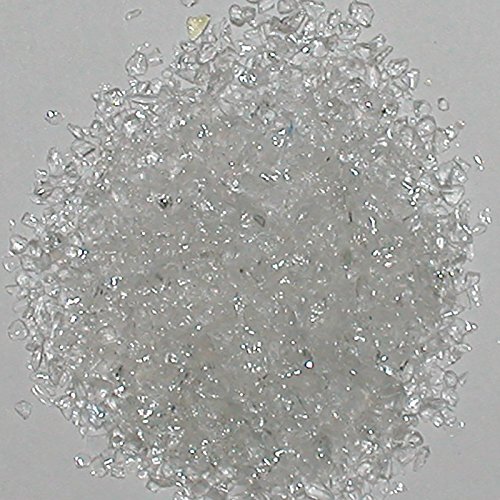
Clear plate terrazzo glass offers high clarity and elegant presentation for countertops, flooring, and decorative applications. It is designed for terrazzo surfaces with a similar size variation range as other terrazzo glass options. Use to create bright, reflective surfaces in residential and commercial spaces.
Best for: spaces requiring a bright, reflective terrazzo look. Limitation: more delicate finish may require careful polishing to achieve optimal shine.
Buying Guide
What should I consider when choosing glass aggregate for concrete?
- Project type: Decorative surfaces (terrazzo, exposed aggregate) vs. structural reinforcement (mortar, walls). Choose products accordingly.
- Fiber content and length: Longer fibers increase crack resistance in mortars; smaller particles work well for surface aesthetics.
- Color and finish: Do you want bold colors (black, lavender) or clear/earth tones for a subtle look?
- Application method: Broadcasting into wet concrete, overlays, or precise finishing with grinders and polishers.
- Seepage and density: Some products emphasize anti-seepage properties and cement density for damp or basements.
How do I mix and apply glass fiber reinforcement?
Follow product-specific guidelines for fiber-to-mortar ratios. Disperse fibers evenly to avoid clumping. Add fibers progressively during mixing to ensure uniform distribution. For decorative aggregates, apply according to substrate type and desired texture, then finish with curing methods suited to terrazzo or exposed-aggregate surfaces.
What surfaces benefit most from glass aggregate?
- Countertops and vanity tops for a durable, unique look
- Exterior walls and garden features that require crack resistance
- Flooring and terrazzo overlays for high-traffic areas
Are there any limitations or cautions?
- Color consistency can vary between batches—test a small area before full application.
- Large volume mixes require careful planning to ensure even fiber dispersion.
- Harder polishing may be required to reveal certain decorative aggregates.
FAQ
- What is the main purpose of adding glass fibers to concrete?
They increase toughness, help prevent cracking, and can improve seepage resistance in some mixes. - Can decorative glass aggregates be used in outdoor projects?
Yes, they are suitable for outdoor terrazzo and exposed-aggregate installations, with appropriate sealing and finishing. - Do I need special tools to finish surfaces with glass aggregate?
Finishing may require grinders or polishers to expose aggregates and achieve the desired surface quality. - How do I determine the right amount of fiber for a mix?
Refer to each product’s guidelines; start with conservative amounts and adjust for project size and exposure conditions. - Will glass aggregate affect concrete color?
Yes, color options from decorative glass can significantly influence the final appearance of the surface.