Best Mold Inhibitor for Paint: Top Picks for White, Mold-Free Finishes
Mocus on mold inhibition when painting is essential for moisture-prone areas. This guide highlights five effective products that help prevent mold and mildew in paint projects, suitable for homeowners, DIY enthusiasts, and professionals seeking long-lasting results. Each option targets different needs, from adding antifungal protection to creating mold-resistant paint films. The following selections are based on available features and typical use cases such as indoor bathrooms, basements, kitchens, and exterior woodwork where moisture can encourage mold growth.
Summary of chosen products
| Product | Best For | Why It Stands Out |
|---|---|---|
| Microban Paint Additive | Any paint or stain | Simple mix-in formula that resists mold and mildew on dry paint; treats 1 gallon per 1.5 oz |
| Sunnyside M-1 Advanced Mildewcide (6.89 oz) | High-moisture areas | Low odor and low VOC with high flash point; good long-term mold control |
| Mildewcide for Paint (1.5 oz, case of 12) | Large projects | Powerful mold remover and ongoing mold inhibitor when mixed with paint |
| Zinsser White Mold Killing Primer | Direct mold blocking | Kills existing mold and helps cover fungal stains; EPA registered |
| Concrobium Mold Control 32 oz | Bleach-free mold control | Eliminates mold and prevents regrowth with odor-free, VOC-free formula |
6.89 Oz Sunnyside 78908M M-1 Advanced Mildewcide

Features: Low Odor/Low VOC, Very High Flash Point (>428°F), Excellent Freeze/Thaw Stability.
Best for: Projects in spaces with moisture concerns where odor control and stability matter. This mildewcide integrates with paint to help inhibit mold growth, making it suitable for kitchens, bathrooms, basements, and exterior wood finishes.
Why selected: It combines low odor and low VOC with robust mold-inhibition properties, offering a safer option for indoor painting in living areas and moisture-prone zones. The high flash point contributes to safer handling and performance in varied climates.
Caution: As with many additives, follow mixing guidelines to avoid over-thinning or altered paint viscosity in very small job batches.
MICROBAN 1.5 oz Fungicidal Paint Additive

Features: Resists mold and mildew on dry paint; 1.5 ounces treats 1 gallon; works with both oil-based and latex paints or stains; prevents deterioration from mildew.
Best for: Anyone painting spaces prone to moisture who wants to add mildew resistance without changing color or finish significantly.
Why selected: Microban’s additive provides straightforward mold resistance across paint types, enabling reliable mildew protection without large changes to application methods.
Caution: Ensure thorough mixing to avoid separation or uneven protection in large batches; test a small area first to confirm compatibility with your paint formulation.
M-1 Advanced Mildewcide 1.5 Oz (Case of 12)

Features: Powerful mold remover; easy application method; long-lasting mold inhibitor for wood, walls, and under sinks with a single treatment.
Best for: Large projects or ongoing mold-prone environments where durable inhibition is needed across surfaces.
Why selected: The product emphasizes both removal and long-term protection, offering a practical solution for repeat mold issues common in damp spaces.
Caution: Intended for use with paint or stains; confirm compatibility with your base coats before mixing into systems with specialized finishes.
Zinsser White Mold Killing Primer
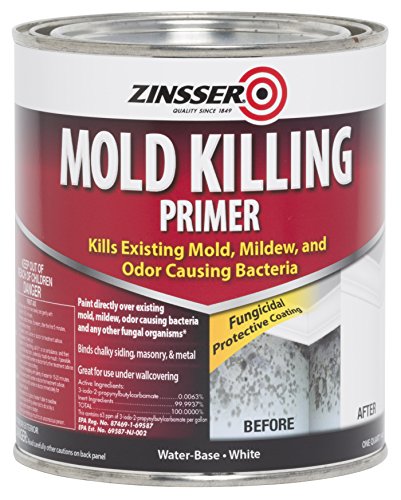
Features: Kills existing mold, mildew, and odor-causing bacteria; EPA registered; water-based fungicidal coating that works under any coating and helps cover fungal stains.
Best for: Surfaces that already show mold signs or are prone to mildew, especially where preparation for subsequent finishes is necessary.
Why selected: This primer provides active mold killing with a protective barrier, helping ensure mold does not transfer into the final paint film. It complements other water-based coatings well.
Caution: Use as directed; surface pre-cleaning may still be necessary for heavily infested areas to maximize effectiveness.
Concrobium Mold Control 32 oz Spray

Features: Eliminates mold and prevents regrowth; EPA-registered; bleach-free, odorless, VOC-free.
Best for: Pre-treatment in bathrooms, basements, attics, or any area requiring mold removal before painting or finishing surfaces.
Why selected: Concrobium is a well-known option for mold control that does not introduce harsh chemicals or odors, making it suitable for occupied spaces during remediation and renovation.
Caution: Follow directions for surface preparation and ventilation; prepare for multiple treatments in intensive mold scenarios.
Zinsser Perma-White Mold & Mildew-Proof Interior Paint

Features: Self-priming formula; mold and mildew-proof paint film guaranteed for 5 years; resists dirt and moisture on the film coating.
Best for: Interiors where a built-in mold-resistant paint film is preferred, such as bathrooms, laundry rooms, and basements.
Why selected: It reduces the need for separate primer and provides a durable antimicrobial film with long-term protection against moisture-related staining.
Caution: As a coated finish, surface prep remains important to maximize mold resistance and longevity of the paint film.
Buying Guide: Key Considerations For Mold-Inspired Paint Projects
- Project scope: Choose additives or products that match the size of the project. Small bathrooms may benefit from a mold-inhibiting primer, while larger areas could require a bulk additive or a dedicated mold-control paint.
- Product type: Decide between mold-inhibiting primers, mold-killing paints, or paint additives. Primers treat mold on surfaces, while additives and coatings provide ongoing protection within the film.
- VOC and odor: If indoor air quality is a priority, favor low-VOC options and odorless formulas such as some Sunnyside mildewcides and Concrobium products.
- Moisture exposure: In high-humidity spaces, prioritize products that offer long-lasting protection and barrier formation to prevent regrowth.
- Storage and handling: Check flash points, safety data, and storage requirements for each additive or product to ensure safe usage on-site.
- Compatibility: Verify compatibility with your base paint (latex vs oil-based) and with any primers or finishes already selected for the project.
- EPA registrations: For products claiming mold-killing efficacy, confirm EPA registration where applicable to ensure regulatory compliance and performance expectations.
FAQ
- What is the difference between a mold inhibitor and a mold-killing paint?
- Can I mix mold inhibitors into any paint?
- Is a mold-killing primer necessary if I use a mold-inhibiting paint?
- Are mold inhibitors safe for living spaces?
- How long does mold protection last after painting?
- Should I use multiple products together?
A mold inhibitor prevents mold growth within the paint film or on surfaces, while a mold-killing paint either contains agents to kill existing mold or defeats mold growth by creating a hostile film environment.
Many odor- and low-VOC rated additives are designed to mix with most latex and oil-based paints. Always follow the product’s mixing guidelines for best results.
It depends on the condition of the substrate. If mold is present or stains are visible, a mold-killing primer can improve efficacy and surface readiness for the final finish.
Most products listed are designed with low odor and low-VOC considerations; use according to label instructions and ensure proper ventilation during application.
Protection longevity varies by product and environment. Primers with mold-killing claims can offer durable protection, while additives provide ongoing inhibition within the film, often improving with proper surface prep and sealing.
In some cases, layering a mold-killing primer with a mold-protective finishing paint or additive can maximize results. Always verify compatibility before combining products.