Best Backer Rod for Expansion Joints and Caulk Sealing
Answering the common buyer question: which backer rod best fits expansion joints and caulking needs? This guide highlights five reliable options, each suited for concrete gaps, expansion joints, and crack sealing projects. Best for DIY homeowners, contractors, and property managers seeking simple installation, durable performance, and easy trimming. A quick comparison table is provided to help you choose with confidence.
| Product | Diameter | Length | Best For |
|---|---|---|---|
| M-D Building Products Versatile Gray Foam Backer Rod (71480) | 1/2 in | 20 ft | Medium gaps, driveways, sidewalks |
| M-D Building Products Versatile Gray Foam Backer Rod (19101) | 3/4 in | 15 ft | Larger expansion joints |
| ToLanbbt EPDM Backer Rod | 1/4 in | 100 ft | Weather-resistant joints, doors, windows |
| Coitak Backer Rod | 1/4 in | 100 ft | Gaps and joints in concrete and masonry |
| U0U Backer Rod | 1/4 in | 16.4 ft | Small to medium cracks, indoor fixtures |
M-D Building Products Versatile Gray Foam Backer Rod (71480)

Best for medium gaps in concrete and mixed indoor-outdoor uses. The foam backer rod is designed to seal gaps and provide a stable base for caulking. It resists weathering and helps prevent drafts and dust infiltration. The product is suitable for expansion joints in driveways and sidewalks, with the option to twist for larger spaces and trim to fit exactly.
Who it suits: homeowners working on porch joints, foundation cracks, or concrete patio seams. Why selected: durable, weather-resistant material supports long-lasting caulking projects and reduces moisture intrusion.
Caution: avoid over-compression; twisting is recommended for larger gaps but excessive compression can reduce sealing effectiveness over time.
M-D Building Products Versatile Gray Foam Backer Rod (19101)
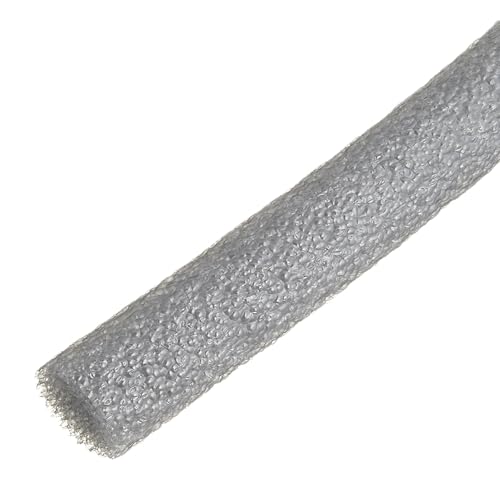
Best for larger expansion joints and longer runs in concrete projects. This 3/4 inch diameter rod provides a strong backbone for caulking and helps maintain a neat surface when sealed. It is twist-friendly for wider gaps and trims cleanly with scissors to fit irregular joints.
Who it suits: renovation pros and DIYers tackling wide driveway cracks or sidewalk gaps. Why selected: larger diameter helps fill substantial joints with minimal sag, improving caulk adhesion.
Caution: ensure the joint width remains within the recommended tolerance for the product to maintain optimal elasticity and sealing.
ToLanbbt EPDM Backer Rod 1/4In x 100FT

Best for durable, weather-resistant applications. Made from EPDM, this backer rod resists water absorption and maintains shape, offering strong sealing performance in varied climates. Flexible enough to bend into irregular shapes, making it suitable for complex expansion joints and door thresholds.
Who it suits: professionals needing a long-lasting seal in exterior and interior joints. Why selected: EPDM provides superior weather resistance and reusability over time.
Caution: EPDM is more rigid than some foam options; ensure flexibility requirements match the joint geometry before use.
Coitak 1/4 Inch Backer Rod 100 FT
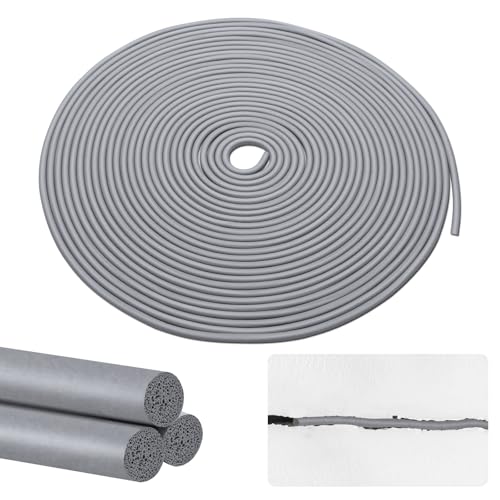
Best for versatile gap filling and easy handling. This foam rubber backer rod is non-absorbent and highly flexible, retaining shape after compression. It’s easy to insert into cracks, trimmed to size, and then sealed with caulk for a clean finish on concrete or masonry joints.
Who it suits: contractors and homeowners addressing concrete expansion joints and wall-to-floor seams. Why selected: long 100-foot length provides ample material for larger projects with fewer rolls needed.
Caution: slight compression recovery may vary after long storage; allow the rod to settle before applying sealant for best results.
U0U Backer Rod 1/4 Inch

Best for smaller cracks and indoor applications. The 1/4 inch diameter is a common size that fits many doors, windows, and interior joints. It’s easy to cut to length and insert, providing a reliable base for caulking and protecting against air leakage and moisture infiltration.
Who it suits: interior renovations, framing joints, and small-scale caulking projects. Why selected: compact size and EPDM-like performance help ensure a neat finish in tight spaces.
Caution: for larger exterior joints, this size may require multiple pieces or a larger diameter rod for optimal sealing.
Buying Guide: Key Purchase Considerations
- Joint size and diameter: Choose a backer rod that matches the gap width to prevent over-compression or underfilling.
- Material type: Foam rods are flexible and affordable; EPDM rods offer superior water resistance and stability in exposed areas.
- Length and quantity: Longer rolls reduce restocking; estimate total footage based on project scope, including waste from trimming.
- Ease of installation: Look for bendable, non-absorbent rods that trim cleanly and stay in place during sealant application.
- Weather considerations: For exterior joints, select weather-resistant materials to minimize degradation from sun, rain, and temperature changes.
- Compatibility with sealants: Ensure the rod type provides good backing for the chosen caulk or sealant to improve adhesion and durability.
FAQ
- What is backer rod used for in expansion joints? It provides a backing base for caulking, controls sealant depth, and improves adhesion and durability.
- Can I reuse backer rod after compression? Some EPDM rods rebound better than foam, but most foam rods recover only partially after extended compression.
- How do I cut backer rod to fit a joint? Use sharp scissors or utility knife to trim to the desired length and shape; insert into the joint before applying sealant.
- Is backer rod suitable for interior and exterior use? Yes, many options are designed for both, but confirm weather resistance for outdoor joints.
- What size backer rod should I choose for a 1/4 inch joint? A 1/4 inch diameter rod is typical for 1/4 inch gaps; for larger gaps, consider a larger diameter or multi-piece fills.
- How long should a backer rod last in a concrete joint? Longevity depends on material, exposure, and sealant compatibility; EPDM variants generally offer longer resistance to moisture.