Best Sound Insulation for Pipes and Ducts
When choosing sound insulation for pipes, select products designed to dampen vibration and reduce noise transfer through walls, ceilings, and mechanical spaces. This guide highlights five top options, ideal for homeowners and property managers seeking effective, easy-to-install solutions. The best picks balance real-world performance, cost, and ease of use for different spaces, from HVAC runs to water lines. The buyer quiz below helps match each product to specific needs.
| Product | Best For | Why Choose |
|---|---|---|
| Kaqiluo 2 Pack High Density Self-Adhesive Foam | Small to mid-size pipe runs | High density foam with self-adhesive backing for easy installation and strong noise reduction. |
| BXI Double Noise Blocker Foam | Vibration-heavy pipes and HVAC | Two-layer design for dual absorption and damping; solid thermal insulation. |
| Kaqiluo 5.8 Sq Ft Self-Adhesive Foam | Limited space projects | Compact coverage with high density for effective sound reduction with easy application. |
| TroyStudio Sound Proof Closed Cell Foam Roll | Medium to large pipe runs and equipment | Neoprene closed-cell foam with aluminum foil surface and self-adhesive backing for heat and vibration control. |
| TroyStudio Vibration Damping Mat (10 sheets) | Surface mounting on noisy equipment and ducts | Rigid damping sheets that address noise at the source by reducing vibrations. |
Kaqiluo 2 Pack High Density Self-Adhesive Foam
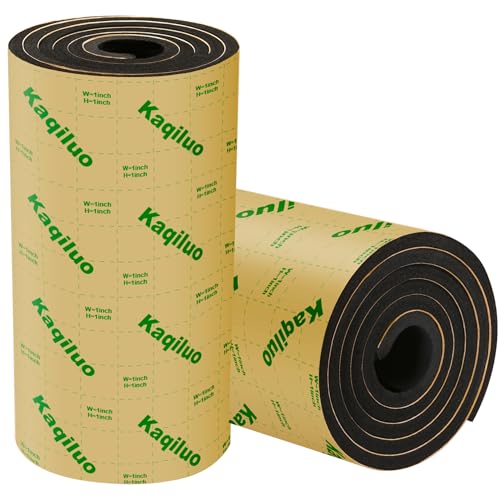
The Kaqiluo foam is a high-density, self-adhesive acoustic foam rated for sound insulation with a density around 50 kg/m³. It reduces flutter echoes, reverberations, and reflections within treated spaces. Best for smaller pipe runs or tight spaces where an easy peel-and-stick install is preferred. The material is described as flame and water resistant with B1 class fire ratings in its listing. Caution: water exposure may affect odor in some environments, so ensure proper setup in damp areas.
BXI Double Noise Blocker Foam

This product uses a two-layer construction: an egg-crate foam absorption layer and a rubber soundproofing layer. The combination aims to deliver dual-function isolation—sound reduction and vibration damping—for HVAC pipes, machines, and other noisy equipment. It provides a notable transmission loss and an NRC around 0.75. Best for spaces needing both airborne sound control and vibration dampening. Limitation: installation may require careful alignment to maximize both layers’ effectiveness.
Kaqiluo High Density Self-Adhesive Foam (5.8 Sq Ft)
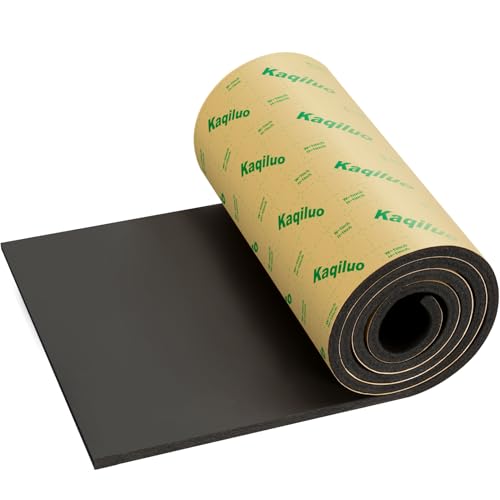
This is a compact, high-density self-adhesive foam option similar to the two-pack but designed for smaller area coverage. It helps reduce noise, flutter echoes, and reverberations in rooms with limited space around pipes and ducts. Best for quick, targeted installations where surface area is constrained. Caution: ensure waterproofing considerations if installed in very damp locations; the listing notes strong fire and water resistance, but actual field conditions may vary.
ProSuites 3 Pcs Dishwasher Sound Insulation Roll

ProSuites offers three cotton insulation blankets, large enough for walls, pipes, and appliances. The blanket material is soft, easy to cut, and described as versatile for sound absorption, heat insulation, and sun-proofing. Best for DIY projects where non-woven fiber is preferred and installation time is a priority. Limitation: material may be less rigid than foam-based solutions for high-traffic industrial uses.
WUBOECE 2Pcs Dishwasher Insulation Blanket

Two-packs of pipe insulation blankets suitable for walls, pipes, and appliances. They’re designed for easy cutting and simple installation. Best for budget-conscious projects or when you need to cover larger surface areas quickly. Caution: blankets may absorb moisture if placed in consistently damp environments; proper moisture management is advised.
TroyStudio Closed Cell Foam Roll
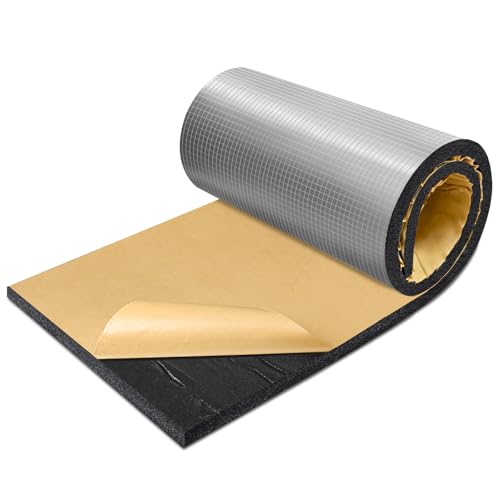
This roll uses neoprene closed-cell foam with an aluminum foil surface and self-adhesive backing. It’s designed for noise, heat, and vibration control with a broad temperature range. Best for pipe runs exposed to heat or where a reflective surface helps with thermal insulation. Limitation: larger rolls may require precision cutting and careful surface prep for optimal adhesion.
TroyStudio Damping Mat Set

Ten sheets of self-adhesive vibration damping mats designed for surfaces like ducts, pipes, and equipment housings. The aluminum foil backing, waterproof properties, and fire retardancy contribute to durable, source-focused noise reduction. Best for reducing vibration at the source rather than relying solely on airborne noise blocking. Consider using alongside a passive barrier; however, these mats work well on metal and plastic surfaces. Limitation: if the source of noise is airborne, you may still need an additional acoustic barrier.
Buying Guide: Key Considerations For Pipe Sound Insulation
- Material type: Foam, cotton blanket, or damping mats—each has pros for airborne noise vs. vibration control. Foam often offers strong absorption; damping mats target vibration at the source.
- Adhesion and installation: Self-adhesive options simplify installation but require clean, dry surfaces. For pipes in wet areas, consider water-resistant or closed-cell materials.
- Temperature and moisture tolerance: Look for closed-cell foams or foams with foil surfaces when high heat or humidity is present.
- Coverage area vs. project size: Small, high-density foams fit tight spots; larger blankets or rolls cover wider runs but require more cutting.
- Combination approach: For best results, use damping sheets at vibration sources and foam blankets or rolls for airborne noise blocking.
- Safety and compliance: Ensure materials meet fire resistance requirements suitable for your building codes and use in enclosed spaces.
FAQ
- What is the main difference between foam insulation and damping mats for pipes? Answer: Foam insulation primarily reduces airborne noise and reverberation, while damping mats address vibrations at the noise source, often offering stronger low-frequency reduction.
- Is self-adhesive foam easy to install on curved pipe runs? Answer: Yes, but you may need to cut and contour pieces for a tight fit around bends for best adhesion and coverage.
- Can these products be used in bathrooms or kitchens? Answer: Many are water-resistant and suitable for damp areas, but verify moisture tolerance and local codes for high-humidity zones.
- Do I need a combination of products to achieve better results? Answer: Often yes. Use damping mats on vibrating surfaces and foam blankets or rolls to reduce airborne noise for the most complete solution.
- Are these products fire-rated? Answer: Several listings mention B1 class fire resistance or similar, but always confirm with the product data sheet and local regulations.
- How do I decide between foam and blanket insulation? Answer: Choose foam for tight spacing and quick installations; blankets are better for larger areas or where you need flexible shaping.