Best High Build Primers for Plastic: Lock in Paint With Confidence
Looking for a high build primer that sticks to plastic surfaces and provides a strong base for topcoats? This guide compares top options that are formulated to bond well with plastics, including polypropylene, PVC, and fiberglass. Each pick suits different project needs—from automotive restoration to DIY hobby crafts. Read on to see which primer is best for your plastic surface, plus clear reasons to choose one over another.
| Product | Best For | Why It Stands Out |
|---|---|---|
| Rust-Oleum 209460 Plastic Primer Spray | Plastic-heavy projects | Specially formulated for hard-to-paint plastics; bonds to PP, PS, PVC, fiberglass |
| Custom Shop 1K High Build Primer | Auto body and metal-to-plastic combos | Direct-to-metal and versatile for multiple substrates |
| LiME LiNE 1K Flexible High Build Primer | Flexible, complex shapes | Fast-drying, direct-to-metal and plastic capable |
| Tetrion Easy Spray Hi-Build Grey Primer | Wide surfaces including wood, metal, plastic, ceramic | Fast coverage and versatile interior/exterior use |
| SEM 42003 Black High Build Primer | Steel, aluminum, plastic for primed base | High build with broad substrate compatibility |
Note: Each product is primarily designed to improve adhesion and fill minor imperfections. Choose based on your substrate mix, drying time needs, and whether you plan to sand between coats.
Rust-Oleum 209460 Plastic Primer Spray

Features: Specially formulated plastic primer sprays on fast and easy, providing a tight bond for superior paint adhesion and durability. Adheres to hard-to-paint surfaces such as Polypropylene, Polystyrene, epoxy resin, PVC, fiberglass, vinyl plastics and some 3D printer filaments. Topcoat with any Rust-Oleum paint finish.
Best for: Projects dominated by plastic substrates such as PP, PS, PVC, or fiberglass where a robust plastic primer is essential. Better for DIY enthusiasts needing quick coverage with strong adhesion.
Caution: Some plastics may require additional surface prep for optimal adhesion; test on a small area first.
Custom Shop 1K High Build Primer Spray Paint

Features: Superior adhesion to steel, aluminum, fiberglass, SMC, and urethane painted surfaces; direct-to-metal primer requires no preparation; 12 oz spray can; versatile as car primer, metal primer, plastic primer, and wheel primer.
Best for: Auto body and mixed-substrate projects where a single primer is used on metal and plastic components. Choose this if you want a broad application range and direct-to-metal capability.
Caution: Durability claims depend on subsequent topcoat compatibility; ensure the topcoat is compatible with the primer/substrate mix.
LiME LiNE 1K Flexible High Build Primer

Features: Lime Line 1K High Build Primer Surfacer in a 16 oz aerosol; suitable for metal, aluminum, plastic, fiberglass; fast-drying formula.
Best for: Projects requiring a fast-drying, flexible primer on a variety of substrates, including plastic, without lengthy cure times. Choose this if you need speed and flexibility in small-to-medium projects.
Caution: Flexible primers may require careful sanding to achieve a smooth finish on curved or textured surfaces.
Tetrion Easy Spray Hi-Build Grey Primer

Features: FAST COVERAGE; suitable for wood, metal, plastic, ceramic and more; high-build, smooth base coat; indoor & outdoor use.
Best for: Large-area projects or DIY tasks involving multiple materials, including plastic. Choose this if you want a broad-application primer with quick coverage.
Caution: Grey primer can affect the final color of lighter topcoats; verify shade compatibility with your chosen topcoat.
Rust-Oleum 249279 Automotive Filler Primer Spray
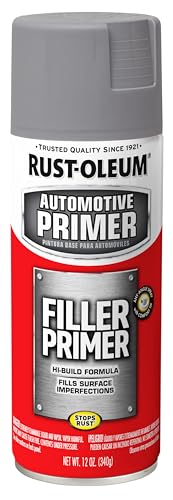
Features: Filler primer for wood, metal and fiberglass; rust-resistant base coat; covers up to 12 sq ft; dries to touch in 10 minutes.
Best for: Automotive and general-purpose projects needing body-filling capability on mixed substrates, including plastic surfaces. Choose this if you need a filler layer prior to topcoat.
Caution: Oil-based formula may require proper ventilation and longer cleanup compared to water-based primers.
SEM 42003 Black High Build Primer

Features: High build primer for steel, aluminum, plastic, SMC, fiberglass; 16 oz aerosol; covers about 11 sq ft at 2 mil DFT; 2-3 coats recommended.
Best for: Mixed-metal and plastic applications requiring a robust base with strong fill for subsequent topcoats. Choose this if you want a durable, versatile primer with broad substrate compatibility.
Caution: May require longer dry times between coats in cooler environments; ensure adequate ventilation during spraying.
Buying Guide
What substrate will you prime? If plastics dominate the project, prioritize primers specifically formulated for plastic (like Rust-Oleum Plastic Primer), as they provide the strongest initial adhesion. For mixed substrates (metal, plastic, fiberglass), look for a versatile high-build primer that claims direct-to-substrate or direct-to-metal capabilities.
Do you need fast drying and easy sanding? High-build primers that dry quickly and sand easily save time on iterative coats. Consider products marketed as quick-dry or easy-sand for projects with tight schedules.
Is color impact important for the topcoat? Some primers are gray or black and can influence the final shade. If you plan a light or bright topcoat, test swatches to ensure color accuracy after priming. If uncertain, choose a neutral gray primer.
What is your topcoat material? Ensure compatibility between primer and your chosen paint or clear coat. Some primers pair best with enamel or urethane finishes, while others are ready for water- or solvent-based topcoats.
What is your project scale? For large surfaces, a fast-covering primer with good spread is beneficial. For small parts, consider aerosol formats for precise control and easy handling.
FAQ
- Can I use plastic primer on all plastics? Primers designed for plastic work best on common plastics like polypropylene, polystyrene, PVC, and fiberglass. Test a small area first for adhesion.
- Do I need to sand between primer coats? Many high-build primers require light sanding between coats to achieve a smooth finish. Follow product directions for grit and timing.
- Is direct-to-metal primer safe for plastic parts? Some primers are marketed as direct-to-metal and can bond to plastic when designed for multi-substrate use. Verify the product specs for plastic compatibility.
- How long should primer dry before topcoating? Drying times vary; common guidance is 10–30 minutes to handle, with full cure following manufacturer instructions and environmental conditions.
- What if the primer doesn’t bond well to my plastic? Review surface prep steps (cleaning, light scuffing), confirm substrate compatibility, and consider a dedicated plastic primer or 2-in-1 filler that improves adhesion.
- Can I spray primer indoors? Yes, but ensure proper ventilation, use a respirator, and follow local safety guidelines for solvent-based primers.