Best Primer for Polyurethane Paint: Top Picks for Fiberglass, Wood, and More
Yes—using a quality primer is essential before applying polyurethane paint to boats, furniture, or outdoor projects. This guide highlights the best primers for polyurethane finishes, focusing on marine topside primers, general purpose spray primers, and water-based options. Best for: boat and marine surfaces, DIY hobbyists, and professionals seeking durable adhesion and a smooth base. The following table summarizes the featured products and why they’re recommended.
| Product | Best For | Why Included |
|---|---|---|
| TotalBoat Marine Topside Boat Paint Primer | Fiberglass and wood above waterline | High-solids, single-coat sealing, flexible undercoat for 1-part or 2-part polyurethane |
| TotalBoat Wet Edge Topside | Boats, RVs, exterior trim | Premium polyurethane topcoat primer/undercoat for above-waterline surfaces |
| Krylon COLORmaxx Primer Spray | General interior/exterior projects | Adhesion on diverse substrates, convenient spray format |
| Rust-Oleum Farm & Implement Enamel Primer | Farm/industrial equipment | Strong coverage and corrosion resistance for metal and rough surfaces |
| U.S. Art Supply White Surface Primer | Art, miniatures, mixed media, plastics | Water-based acrylic polyurethane for airbrushing and versatile prep |
TotalBoat Marine Topside Boat Paint Primer for Fiberglass and Wood
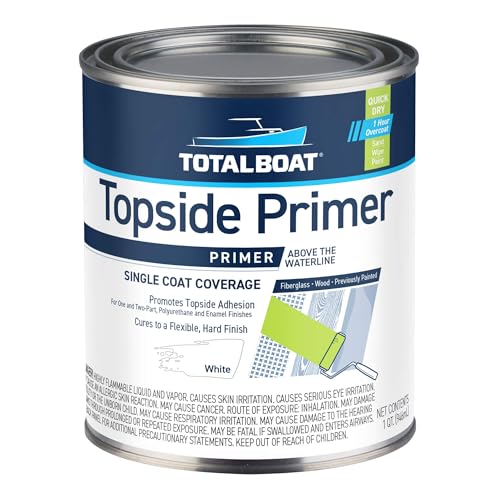
This one-part marine primer is designed as a durable undercoat for polyurethane and enamel topside paints. Best for: boat builders, sailors, and boatyard workers needing a flexible base on fiberglass, wood, or previously painted surfaces in good condition above the waterline. It seals effectively in a single coat; a second coat is only needed for higher build or larger imperfections. It’s chromate-free and lead-free, aligning with safety and environmental standards. Caution: ensure a well-ventilated area and proper PPE during application. Not ideal for below-waterline use or heavily pitted surfaces without fairing.
TotalBoat Wet Edge Topside Marine Paint Premium Polyurethane Coating

While primarily a topcoat, Wet Edge also functions effectively as a versatile primer/undercoat for above-waterline surfaces on boats, RVs, and exterior trim. Best for: owners seeking a durable, high-gloss finish with excellent color retention on fiberglass, metal, and wood. It’s a one-part formula that’s easy to apply by brush, roller, or spray. Caution: designed for above-waterline use; avoid below-waterline areas where prolonged immersion occurs.
Rust-Oleum 280169 Farm & Implement Enamel Primer

Designed for farm and industrial equipment, this enamel primer provides robust coverage and a rust-preventive base. Best for: metal surfaces and equipment exposed to harsh conditions where durability matters. It dries to the touch in a short timeframe and covers a large area per gallon. Caution: oil-based formulations require proper ventilation and solvent cleanup; not ideal for delicate indoor projects with require low odor.
Krylon COLORmaxx Primer Spray

Spray primer with broad substrate compatibility. Best for: projects requiring fast, even coverage on wood, metal, wicker, plastics, glass, plaster, ceramic, fabric, or paper. It improves adhesion and helps achieve a true topcoat color. Caution: spray primer may overspray onto unintended areas; follow masking guidelines and apply in a well-ventilated space.
U.S. Art Supply White Surface Primer

White water-based acrylic polyurethane primer designed for airbrushing and mixed-media surfaces. Best for: artists, hobbyists, and model makers seeking a ready-to-spray primer with good adhesion and a durable matte finish. Caution: primarily formulated for airbrush use; thicker applications may require thinning or multiple thin passes for full coverage.
Buying Guide
What should I consider when choosing a polyurethane primer?
Choose based on surface type (fiberglass, wood, metal, plastic), indoor vs outdoor use, and whether you will spray, roll, or brush. For marine applications, select primers designed to tolerate sun, salt, and moisture. If you plan to apply a durable polyurethane topcoat, ensure the primer is compatible with that system.
Water-based vs oil-based primers: what’s the difference?
Water-based primers are lower odor, quicker to dry, and easier cleanup, making them ideal for indoor projects and artists. Oil-based primers typically offer stronger stain blocking and deeper penetration into dense woods and metals but require solvents for cleanup and longer dry times. For marine topsides, high-build solvent-based options are common, but water-based alternatives can work with proper surface preparation.
Application method: which is best for you?
Spray primers provide the fastest coverage for irregular surfaces or large areas. Brush and roller primers give more control for small or detailed work. Always follow manufacturer instructions regarding thinning, drying times, and recoat windows. For boats and exterior projects, ensure primers are suitable for above-waterline use and UV resistance.
Field notes: compatibility and safety
Check that the primer is compatible with the chosen polyurethane topcoat. Use PPE, ensure ventilation, and follow local environmental guidelines. Chromate-free and lead-free formulations are preferable for safety and environmental standards.
Surface preparation
Clean, dry, and lightly sand surfaces before priming. Fill large imperfections with appropriate fairing compounds when needed, and wipe away dust before applying the primer.
FAQ
- Do I need a primer for polyurethane paint? Yes. A primer improves adhesion, fills minor imperfections, and creates a uniform base for an even polyurethane finish.
- Can I use any primer with polyurethane topcoats? Not always. Always check compatibility between the primer and the polyurethane topcoat to avoid adhesion problems or poor finishes.
- Is water-based primer suitable for boats? Water-based primers can be suitable for boats above the waterline if they are designed for marine or outdoor use and compatible with the topcoat.
- What is the best primer for metal surfaces? Oil-based or specialty metal primers provide strong adhesion and rust resistance for metal surfaces; verify compatibility with your polyurethane topcoat.
- How many coats of primer are needed? Most projects require one to two coats, depending on surface condition and desired build. Follow product guidelines for recoat windows.
- Are there safety concerns with solvent-based primers? Yes. Use proper ventilation, PPE, and safe storage, and comply with local disposal rules for solvents and paints.