Best Blue Grey Paint Options for Bathrooms That Look Great and Last
Answering the question “which blue grey paint is best for a bathroom?” this guide highlights durable, water-resistant options and finishes that suit common bathroom needs. Ideal buyers include DIY homeowners refreshing a powder room, condo renters aiming for a quick, stylish update, and small-business remodeling projects where easy cleanup matters. The table below compares five strong picks chosen for bathroom-friendly performance, typical project scope, and finish characteristics.
| Product | Finish | Best For | Notes |
|---|---|---|---|
| Rust-Oleum Coastal Blue Chalked | Matte Chalk | Furniture refinishes and accent walls in bathrooms | One-coat coverage; easy cleanup |
| DWIL Tile Paint, Tub & Tile Refinishing Kit | Semi-Gloss | Tile surfaces in bathrooms | Low odor; water-based |
| Heirloom Traditions Cobblestone (Gray with Blue Undertones) | Low Luster Velvet Sheen | Cabinets, furniture, and paneling | All-in-One without sanding |
| Rust-Oleum Highland Blue Milk Paint | Matte | Furniture and decorative pieces in bathrooms | Brushed effect; one-coat vibe |
| THE ONE All-In-One Paint & Primer (Dark Grey Matte) | Matte | Multisurface walls, cabinets, and furniture | One-coat formula; indoor/outdoor versatility |
Rust-Oleum Coastal Blue Chalked All-in-One Paint

Best for: new DIY projects where a smooth, low-prep finish is key. Ideal for updating furniture that sits in or near a bathroom, including nightstands and vanity accents. The Chalked line promises easy adhesion to wood, metal, ceramic, and more, with minimal prep and a simple soap-and-water cleanup. It’s a strong choice when you want a soft, matte blue-grey tone that’s forgiving for beginners.
Why selected: One-coat coverage simplifies projects, and the easy cleanup supports quick bathroom refreshes. The finish provides a casual, vintage-inspired look that pairs well with gray or white bathroom palettes. Caution: surface texture or previous glossy coatings may require light scuffing for optimal adhesion.
DWIL Tile Paint, Tub and Tile Refinishing Kit

Best for: bathroom tile refresh where a durable, low-odor finish is required. The kit emphasizes ease of use with beginner-friendly tools, low odor, and low-VOC formulation, making it suitable for indoor spaces with limited ventilation. The semi-gloss finish improves moisture resistance on tub and tile surfaces.
Why selected: It provides a complete, easy-to-use solution for bathrooms without removing existing tiles. Caution: results depend on proper surface preparation and following kit instructions for best adhesion and durability.
Heirloom Traditions Cobblestone (Gray with Blue Undertones)

Best for: cabinets, furniture, and trim that benefit from a warm grey with subtle blue undertones. The all-in-one formulation eliminates priming and topcoat steps, saving time on bathroom refreshes. Its velvet sheen offers a refined, low-luster look that hides minor surface imperfections well.
Why selected: The color and finish align nicely with contemporary bathroom palettes that favor cool neutrals. Caution: as a heavy-bodied paint, surface prep helps avoid brush marks on flat panels.
Rust-Oleum Highland Blue Milk Paint
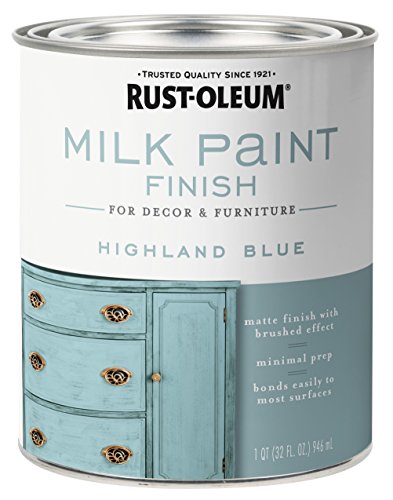
Best for: decorative furniture or accent pieces in bathrooms where a distinctive brushed texture is desired. The milk paint line emphasizes a semi-transparent look with whitewashed depth, and requires no primer. Great for giving vintage vanities or shelving a soft blue-grey touch.
Why selected: Its unique brushed finish adds texture and visual interest in a small bathroom scheme. Caution: not ideal for high-traffic bathroom areas where a very hard, wipeable surface is necessary; multiple coats may be needed to reach full opacity.
THE ONE All-In-One Paint & Primer (Dark Grey Matte)

Best for: versatile bathroom surfaces, including walls, cabinets, doors, and trim. This all-in-one formula combines paint and primer, offering one-coat coverage and fast drying. The dark grey matte finish provides a modern backdrop for blue-grey accents and white fittings.
Why selected: The one-coat formulation saves time on bathroom refreshes, and its indoor/outdoor versatility supports varied bathroom projects. Caution: very dark tones can show streaks if applied in warm, crowded rooms without proper technique or a smooth surface.
Buying Guide: Key Considerations For Blue Grey Bathroom Paints
- Finish matters: Matte, velvet, and semi-gloss each handle moisture differently. Bathrooms benefit from finishes that resist mildew and are easy to wipe clean.
- Surface compatibility: Choose paint intended for the target surface—walls, tile, cabinets, or furniture. Tile refinishing kits are ideal for tub-and-tile surfaces, while chalked or milk paints suit furniture and accents.
- Prep and priming needs: All-in-one products save time but may require smoother surfaces for best results. For glossy surfaces, light sanding or deglossing improves adhesion.
- Odor and VOCs: Low odor and low-VOC formulas are preferable for indoor spaces to minimize disruption during application.
- Durability and maintenance: Consider the expected moisture exposure and cleaning frequency. Semi-gloss or washable finishes are easier to wipe down in bathrooms.
- Color undertones: Blue-grey tones range from cool to warm. Test samples in bathroom lighting to ensure the hue complements fixtures and tile.
FAQ
- What is the best finish for a bathroom wall? A washable matte or satin finish is typically best for walls due to its balance of moisture resistance and ease of cleaning.
- Can I use chalk paint in a bathroom? Yes, on furniture and decorative pieces; for walls, consider moisture-resistant options or sealers if needed.
- Do I need primer with all-in-one paints? Often not, but rough or glossy surfaces may benefit from a primer or light sanding for optimal adhesion.
- Are tile refinishing kits suitable for showers? They can be, but follow manufacturer instructions for prep, curing time, and ventilation to ensure durability.
- How do I choose blue-grey tones for small bathrooms? Lighter blues with grey undertones visually expand space; test samples on large poster boards under bathroom lighting.
- What maintenance is required after painting a bathroom? Regular cleaning with mild soap and water, plus occasional touch-ups to address moisture-related wear.