Best Heat Cables for Pipes: Heavy-Duty Winter Protection
When protecting plumbing from freezing, choosing the right heat cable for pipes matters. These self-regulating, electric heat tapes keep water flowing by preventing ice dams and pipe bursts in cold weather. This guide highlights five top options, helps you decide who each product is best for, and provides a practical buying framework for any American home. Whether you rent an apartment or maintain a large house, these selections cover metal and plastic pipes, with safety certifications and energy-conscious designs.
Summary at-a-glance
- Frost King HC3A – Best for small runs and budget Installations
- HEATIT 30ft – Best for safety-conscious buyers who want UL/ETL certification
- HEATIT 40ft – Best for medium-length runs and versatile pipe types
- Frost King HC6A – Best for longer pipe sections and all-around protection
- HEATIT 50ft – Best for larger homes or outdoor/remote installations
Frost King HC3A Automatic Electric Heat Kit (3 Feet)

Best for compact pipe runs and cost-conscious projects. This 3-foot heat cable runs at 7 watts per foot and operates on 120 volts. It’s designed to keep water flowing down to -40°F and works with both metal and plastic water pipes, making it suitable for short bends or tight spaces where a longer cable isn’t necessary. Caution: suited for shorter segments; longer insulation may be needed for extended runs.
HEATIT 30ft Self-Regulating Cable with Thermostat

Best for safety-minded buyers who want full-system certification. This self-regulating heat cable includes a built-in thermostat and is ETL listed with UL certification for the plug. It maintains water flow down to -40°F and provides a 2-foot power cord with options from 3 to 160 feet. It’s suitable for both metal and plastic pipes and carries liability insurance for added assurance. Caution: review the entire cable certification to ensure full compliance with local codes.
HEATIT 40ft Self-Regulating Heating Cable for Pipes
Best for longer runs and versatile pipe materials. The 40-foot HEATIT cable uses self-regulating technology to protect both metal and plastic pipes, keeping water flowing at temperatures as low as -40°F. It’s ETL listed, with an included 2-foot power cord and extensive length options. Caution: ensure your installation area has adequate clearance for the full length of the cable and any required insulation.
Frost King HC6A Automatic Electric Heat Kit (6 Feet)
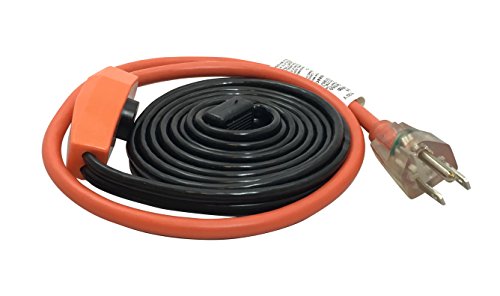
Best for mid-to-long pipe sections requiring more extensive coverage. The 6-foot cable delivers 7 watts per foot at 120V and maintains flow down to -40°F. It’s compatible with both metal and plastic pipes, offering a flexible option for home and utility installations. Caution: longer cable runs may necessitate better insulation to avoid heat loss and ensure efficiency.
HEATIT 50ft Self-Regulating Cable with Built-In Thermostat
Best for larger homes or outdoor/remote pipe runs. This 50-foot self-regulating heat cable protects both metal and plastic pipes from freezing to -40°F and features ETL certification for safety. It includes a built-in thermostat option for energy efficiency, and a 2-foot power cord with a range of longer cable lengths. Caution: verify electrical load and outlet placement to optimize thermostat performance on long runs.
Buying Guide: Key Purchase Considerations
- Certification and safety: Look for ETL and UL certifications covering the entire cable and plug. A fully certified product reduces risk and electrical concerns in harsh environments.
- Length and power requirements: Match cable length to the pipe run. Self-regulating cables adjust heat output, but longer runs demand adequate insulation and correct cord length.
- Pipe material compatibility: Ensure the cable works with both metal and plastic pipes if you have mixed piping in your home.
- Thermostat presence: Built-in thermostats save energy by turning the heat on only when needed. Consider models with adjustable thermostats for different climates.
- Installation considerations: Place cables along exposed sections prone to freezing; avoid routing through fuel lines, gutters, or areas with direct heat sources that could cause overheating.
- Durability and environment: For outdoor or coastal areas, choose cables with rugged jackets and UV/chemical resistance (IP-rated or weatherproof designs).
Frequently Asked Questions
- What is a self-regulating heat cable?
Answer: It automatically adjusts its output based on ambient temperature to prevent overheating while protecting pipes in cold conditions. - Do I need ETL or UL certification?
Answer: Yes. Certifications help ensure the entire heating system is safe and compliant with standards for residential use. - Can I use heat cables on any pipe type?
Answer: Most options are suitable for metal and plastic pipes, but confirm compatibility with your specific pipe material before installation. - How long should a heat cable be installed?
Answer: Choose a length that covers the exposed piping needing protection; longer runs may require insulation for efficiency. - Is insulation important with heat cables?
Answer: Yes. Insulation improves efficiency by reducing heat loss and helps maintain a stable temperature along the pipe. - What precautions should I take during installation?
Answer: Do not install on fuel lines, keep cords away from water sources, and follow all manufacturer installation guidelines.