Best Insulation Board for Ductwork: Top Picks for HVAC and Thermal Noise Control
When selecting insulation boards for ductwork, choose solutions that combine thermal efficiency with acoustic performance. This guide highlights five top options well-suited for HVAC ducts, walls, and ceilings where sound dampening and temperature stability matter. Ideal buyers include HVAC professionals, DIY remodelers, studios needing noise reduction, and builders seeking durable, easy-to-install panels.
| Product | Best For | Key Benefit |
|---|---|---|
| F&L R6 Fiberglass Board Acoustic Insulation Panels | Mid- to high-frequency sound control | High R-value with flexible thickness |
| INSULATION MARKETPLACE SmartSHIELD Reflective Insulation | Radiant barrier and vapor protection | Reflects radiant energy up to 95% |
| BXI Ceramic Fiber Thermal Insulation Board (0.4″ & 0.8″) | Extreme heat resistance | Inorganic, fire retardant with solid R-value |
| Thickness 1-10cm Aluminum Foil Polyurethane Board | DIY and professional ductwork | Double-sided foil and rigid foam core |
| Sasylvia Ceramic Fiber Insulation Board (0.8″) | High-temperature applications | Lightweight, cuttable ceramic fiber |
F&L R6 Fiberglass Board Acoustic Insulation Panels
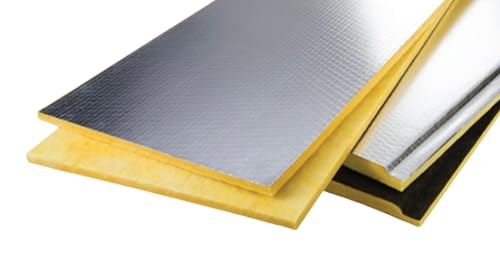
Key features: Superior acoustic performance absorbs mid- to high-frequency sounds; multi-layer thermal protection with high R-value fiberglass; available in 1″, 1.5″, or 2″ thickness in 24″x24″ or 24″x48″. Best for reducing echo and noise transfer in duct runs and walls.
Best for: Ductwork and spaces needing sound dampening alongside temperature control. Choose this if you want a straightforward fiberglass panel that offers solid thermal resistance and flexible sizing for various duct layouts.
Caution: Handle fiberglass materials with care to avoid skin and eye irritation; ensure proper installation to prevent gaps that reduce effectiveness.
INSULATION MARKETPLACE SmartSHIELD -3mm Reflective Insulation Roll
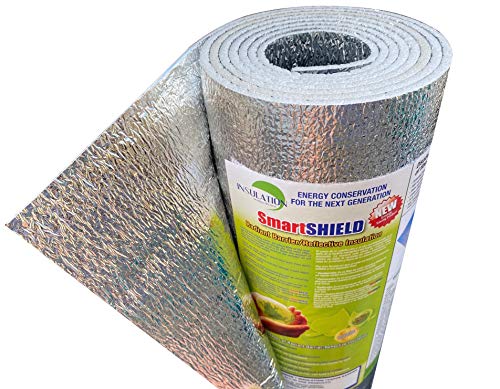
Key features: Extensively reflective, reflecting 95% of radiant energy; acts as a radiant barrier and vapor barrier; 3mm closed-cell polyethylene foam between reflective foil; easy to cut and install.
Best for: Duct runs exposed to sun or heat where radiant heat reduction is a priority; ideal when combined with other insulation for a comprehensive thermal barrier. Better for applications needing a lightweight foil barrier rather than bulk insulation.
Caution: Provides radiant protection but may need additional bulk insulation in very cold environments for optimal R-value.
3M Aluminum Foil Tape 3340

Key features: 2.0 mil aluminum foil backing with acrylic adhesive; wide operating temperature range from -40°F to 300°F; coated liner for easy release.
Best for: Sealing and patching HVAC ducts, fiberglass duct boards, and vapor barriers. Choose this when you need a reliable vapor seal and durable closure for duct joints.
Caution: Not a substitute for bulk insulation; use in conjunction with proper thermal insulation for best results.
BXI Ceramic Fiber Thermal Insulation Board (0.4″)
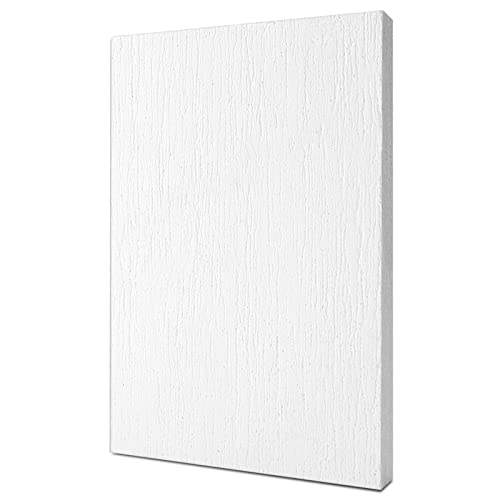
Key features: 12″ x 8″ x 0.4″ size; inorganic aluminosilicate composition; high-temperature service up to 1500°C; Class A1 fire resistance; moderate R-value with durable rigidity.
Best for: High-temperature ducts or components near heat sources where fire resistance matters. Use when inorganic boards are preferred for durability and smoke performance.
Caution: Small panel size requires more joints; plan layout to minimize gaps that could compromise insulation performance.
BXI Ceramic Fiber Thermal Insulation Board (0.8″)

Key features: 12″ x 8″ x 0.8″ panel; high-density ceramic fiber; similar fire resistance with improved R-value over thinner variants; inorganic, low smoke potential.
Best for: Ducts or components that require more substantial insulation without significantly increasing bulk. Choose this if you need higher resistance than 0.4″ while keeping panel size manageable.
Caution: Higher thickness can be heavier and may require structural consideration in small duct spaces.
Thickness 1-10cm Aluminum Foil Polyurethane Insulation Board

Key features: 1-10 cm thick rigid foam with double-sided aluminum foil; easy to cut and install; reflects heat and provides moisture resistance; versatile for sunrooms, walls, ceilings, and ducts.
Best for: DIY and professional projects that require a robust, all-in-one rigid foam solution with radiant barrier properties. Choose this if you need significant thickness where space allows.
Caution: Very thick panels may require specialized tools for cutting and securement; ensure compatibility with existing duct contours and joints.
Buying Guide
What insulation board type should I choose for ductwork?
- Fiberglass boards: Good for sound absorption and moderate thermal resistance; lightweight and easy to cut. Best for reducing duct noise and general temperature control in residential settings.
- Ceramic fiber boards: Excellent high-temperature resistance and fire performance; more rigid and durable in extreme environments.
- Reflective foil or radiant barriers: Effective against radiant heat transfer; best when used with other bulk insulation for overall efficiency.
- Rigid foam boards with aluminum foil: Strong thermal barrier, moisture resistance, and ease of installation; suitable for DIY projects with complex duct layouts.
- Composite rolls or multiple layers: Combine radiant barriers with vapor barriers for comprehensive protection in humid or variable environments.
How thick should insulation be for ducts?
Thicker panels provide more thermal resistance (R-value) but require more space and may complicate installation. For typical HVAC duct runs in moderate climates, 1″ to 2″ fiberglass or foam boards are common, while specialized high-temperature or radiant barrier needs may justify thicker or multi-layer approaches.
Is reflective insulation better than fiberglass for ductwork?
Reflective insulation excels at limiting radiant heat transfer, especially in heated or sun-exposed components. Fiberglass provides bulk thermal resistance and sound absorption. In many ducts, a combination—reflective barrier on the exterior and fiberglass or foam board for bulk insulation—offers balanced performance.
What safety considerations are important?
- High-temperature sections require non-combustible or fire-rated materials (e.g., ceramic fiber boards).
- Avoid gaps and compression; ensure a tight seal to prevent air leaks and thermal bridging.
- Handle fiberglass with protective gear to prevent skin irritation.
Frequently Asked Questions
- Can insulation boards be used directly on duct surfaces?
- Which material is best for sound reduction in ducts?
- Do I need a vapor barrier with insulation boards?
- How do I cut and fit ceramic fiber boards safely?
- Are there any installation drawbacks to consider?
Yes, many boards are designed for duct insulation but ensure proper fastening and sealing to prevent gaps.
Fiberglass and ceramic fiber boards are effective for attenuating mid- to high-frequency noise within duct runs.
Some installations benefit from a vapor barrier, especially in high-humidity environments. Reflective barriers can provide vapor protection when paired with other insulations.
Use appropriate protective equipment and cutting tools; follow manufacturer guidelines for dust and fiber handling.
Thicker boards can add weight and may require additional support. Ensure compatibility with existing ductwork shapes and joints.