Best Self-Leveling Compound for Tile Installations and Repairs
If you’re preparing a tile installation or repair project, a reliable self-leveling compound is essential. This guide highlights top options and explains who each product is best for, helping you choose materials that deliver a smooth, even surface for tile, vinyl, or floor coverings. The selections cover premixed, primer-ready, and durable floor underlayments suitable for residential and commercial settings.
| Product | Best For | Why It Stands Out |
|---|---|---|
| DAP Flexible Floor Patch And Leveler | DIY homeowners; quick fixes | Crack-resistant, sands to feathered edge; sets in 6 hours |
| SIKA Sikalevel Self-Leveling Underlayment Primer | Professional projects with concrete or cement screeds | Ready to use; improves bonding and reduces water loss |
| Henry, W.W. Co. 12063 H345 Premixed Floor Patch & Level | DIY and contractors; fast repairs | Premixed, no mixing required; versatile on multiple surfaces |
| Custom Building Products FP1-2 Floor Patch | Wet areas and tile prep | Water-resistant; self-leveling; good moisture tolerance |
| ARDEX TL 2000 Fiber Reinforced Underlayment | High-traffic commercial or heavy-duty residential | Fiber-reinforced for durability and strength |
DAP Flexible Floor Patch and Leveler

Best for: DIYers tackling quick leveler jobs before carpet, vinyl, or vinyl tile installations. The product is a latex-based filler that fills cracks and level surfaces, and it can be sanded to a feathered edge. Ideal for small to medium patches where speed matters. Caution: allow adequate curing time and follow surface preparation instructions for the best bond and finish.
SIKA Sikalevel Self-Leveling Underlayment Primer

Best for: Professional-grade underlayment prep where bonding and moisture control are critical. This primer is ready to use with no dilution and works with Sika self-leveling underlayment to prevent water loss from the substrate. It’s a strong choice for concrete and cement screeds. Caution: requires use with compatible SIKALevel products for best results.
Henry, W.W. Co. Premixed Floor Patch & Level

Best for: DIY and professionals needing a ready-to-use leveling paste with no mixing. It’s versatile for smoothing uneven surfaces before laying vinyl, concrete, or washed stone flooring. Caution: premixed products can have variable work times; ensure you mix and apply within recommended pot life and curing guidelines.
Custom Building Products FP1-2 Floor Patch
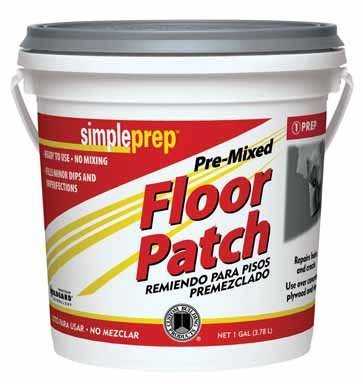
Best for: Those needing a water-resistant, self-leveling compound suitable for tile prep and other surfaces. It offers reliable moisture resistance and multi-surface compatibility, making it a strong choice for bathrooms, kitchens, and wet environments. Caution: verify substrate compatibility for moisture-prone areas to avoid future failures.
ARDEX TL 2000 Fiber Reinforced Underlayment

Best for: High-durability applications where structural strength matters. The fiber-reinforced, cement-based polymer-modified compound smooths and levels concrete, plywood, OSB, and radiant heat systems. Caution: intended for interior use; follow installation guidelines for expansion joints and substrate preparation to ensure long-term performance.
Buying Guide: Self-Leveling Compounds For Tile
What to consider when choosing a self-leveling product:
- Substrate compatibility: Ensure the product works with concrete, cement screeds, plywood, or existing tile as needed.
- Premixed vs. powder: Premixed options like Henry are convenient for quick jobs; powder or liquid formulations may offer longer pot life and custom thickness control.
- Water resistance: For bathrooms or kitchens, select water-resistant or moisture-tolerant formulas to reduce delamination risk.
- Strength and durability: In high-traffic areas, fiber-reinforced or cement-based underlayments provide greater durability.
- Drying and cure times: Balance project schedule with required dry times before tile or flooring installation.
- Surface finish and feathering: For seamless tile transitions, choose products that feather edges smoothly and provide a uniform finish.
Frequently Asked Questions
- What is a self-leveling underlayment, and why is it used before tile?
It creates a flat, smooth base to prevent lippage and ensure even tile installation. - Can I use any self-leveling compound over existing tile?
Most products are designed for concrete, cement, or wooden subfloors; check substrate compatibility and ensure old tile is well bonded. - How long does it take for these products to dry or cure before tiling?
Curing times vary; follow product-specific guidelines to avoid trapping moisture under tiles. - Are there products suitable for wet areas?
Yes, several options offer moisture resistance or are designed for bathrooms and kitchens; verify moisture ratings on the label. - Is fiber reinforcement beneficial in residential projects?
Fiber reinforcement improves crack resistance and durability, especially in high-traffic or commercial settings. - Should I primer before applying a self-leveling compound?
Primers improve bond strength and reduce substrate moisture loss; use them if the product recommends it.