Best Anti Slip Strips for Decking: Durable Safety Treads for Outdoor Steps
Direct answer: If you’re seeking reliable, weatherproof anti-slip strips for outdoor decking, look for heavy-duty GRP or UV-stable polypropylene options with pre-drilled installation and a high-traction surface. These are best for exterior stairs, ramps, and docks, especially in wet or icy conditions. The top picks below target varied needs—from heavy-duty GRP strips for long-lasting performance to quick-install polypropylene options for lighter traffic. This guide helps you choose the right strips for wood, concrete, or metal decks, with clear pros and limitations for each product.
| Product | Best For | Material |
|---|---|---|
| Anti-Slip Decking Strips Pack of 5 (GreenTec) 16″ x 2″ | Stairs and decks with heavy foot traffic | GRP |
| 5 Pack 24″ x 2″ Non-Slip Decking Strips (GreenTec) | Long outdoor steps and ramps | Polypropylene with fiberglass |
| Anti-Slip Decking Strips Pack of 5 (Brown) 16″ x 2″ | Decks needing a darker, hide wear properties | GRP |
| Non Slip Decking Strip, zosenda 5 Pcs 50mm x 400mm | Compact, easy-adhere installations on timber | Stainless steel base with quartz grit |
| 5 Pack 24″ x 2″ Non-Slip Decking Strips (Beige) GreenTec | Public or residential areas with pet-friendly use | Polypropylene with glass fiber |
Anti-Slip Decking Strips Pack of 5 (GreenTec) 16″ x 2″ – Black
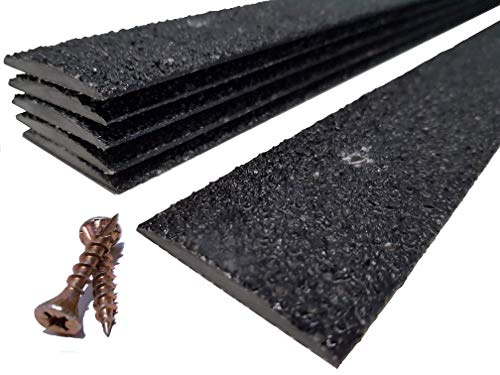
Best for heavy outdoor traffic on wood, composite, concrete, or metal decks. These 3mm-thick GRP strips are designed to resist cracking, curling, or peeling, with a solid profile that remains durable in wet conditions. Installation is fast and secure thanks to pre-drilled holes and included screws. The textured quartz grit delivers high traction, reducing slip risk on stairs, ramps, docks, ladders, and other outdoor surfaces. Caution: the color may show wear over time in high-traffic, sun-exposed areas.
5 Pack 24″ x 2″ Non-Slip Decking Strips – Black

Better for long outdoor runs and steps, these polypropylene strips are reinforced with fiberglass for UV stability and durability against heavy foot traffic. They come with pre-drilled holes and fixings, making installation straightforward on wood, concrete, or metal surfaces. They provide reliable slip resistance in rain and dry conditions. Best for homeowners seeking a cost-effective, long-lasting option, but the textured surface may feel smoother for some footwear types compared to GRP options.
Non Slip Decking Strip, zosenda 5 Pcs 50mm x 400mm Anti-Slip Floor Decking Grip
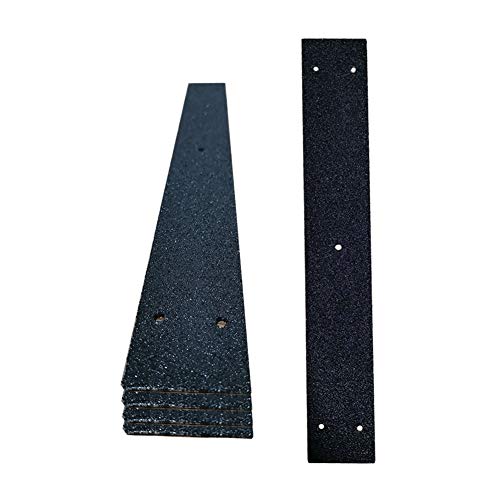
Best for timber decks and stairs requiring a durable, corrosion-resistant option with a gritted surface for improved traction in wet or icy conditions. The kit includes pre-drilled strips and high-strength screws for quick installation. Caution: data describes stainless steel and quartz grit in a single strip type; verify surface compatibility with your decking material to ensure a snug fit.
5 Pack 24″ x 2″ Non-Slip Decking Strips – Beige

Best for public-facing decks and walkways where a lighter, sand-colored look is preferred. Made from polypropylene with fiberglass for durability and long life in outdoor settings. The set includes 15 screws and 15 plugs for secure mounting. Choose this if you want a softer color that blends with natural wood tones, but note that lighter colors may show dirt more readily.
Buying Guide
What material should you choose?
GRP strips (fiberglass reinforced plastic) offer superior durability and impact resistance in harsh outdoor environments. They’re ideal for high-traffic areas and stairs that endure sun, rain, and temperature fluctuations. Polypropylene strips with fiberglass reinforcement are UV-stable and lighter in weight, making them a cost-effective option for larger decks or rental properties. Aluminum alloy versions provide excellent durability with a sleek profile but can be pricier and may require different mounting hardware.
How important is the surface texture?
Textures range from gritty quartz to smoother, non-grit surfaces. Grit surfaces maximize traction in wet or icy conditions and are less likely to become slippery. Smooth finishes may be gentler on shoes and pets but can offer less grip when wet. For stairs and ramps, a high-traction surface is recommended to minimize slip risk.
Installation considerations
Look for pre-drilled strips, included screws or fixings, and compatibility with your deck material (wood, composite, concrete, or metal). Installation should be quick and secure, with strips that lie flat to prevent tripping hazards. If you rent or frequently reposition strips, consider options with adhesive backing in addition to screws, though fasteners generally provide longer life outdoors.
Color and aesthetics
Colors range from black and brown to beige. Darker colors can better hide dirt and wear, while lighter tones blend with natural wood. Consider whether you want the strips to stand out for visibility or blend into the deck design.
Durability and lifespan
Most high-quality strips are designed for 10+ years of outdoor use, particularly polypropylene with fiberglass or GRP options. UV stability, weather resistance, and the ability to withstand freeze-thaw cycles influence lifespan. For areas with heavy snow or ice, prioritize grit texture and robust mounting hardware.
FAQ
- How do I know which deck type is compatible?
Check the product details for mounting surfaces (wood, concrete, metal) and confirm pre-drilled holes align with your deck dimensions. - Are these strips suitable for indoor use?
They can be used indoors in high-traffic areas, but consider indoor-specific anti-slip products for controlled environments. - What maintenance is required?
Regularly inspect screws, fixings, and the grit surface. Clean to maintain traction; replace strips showing wear. - Which color lasts longer aesthetically?
Dark colors tend to hide dirt and wear better than light beige or tan tones. - Do I need professional installation?
Most installs are DIY with provided screws. If you’re unsure about structural compatibility, consult a professional. - What’s the difference between GRP and polypropylene?
GRP is typically stronger and more impact-resistant; polypropylene is lighter and often more economical with good outdoor durability.