Best Stone Window Sill Options for a Sleek, Durable Look
Answer: For a durable, low-maintenance stone-like window sill, choose engineered marble or real Carrara marble options that resist staining and moisture. The best fits are premium marble thresholds and marble-style sill covers that offer a seamless, modern rise for windows. This guide highlights five top stone-friendly choices, explains who they’re best for, and helps you compare installation, durability, and care.
| Product | Best For | Key Benefit | Material |
|---|---|---|---|
| Threshold.Shop Super White Engineered Marble Threshold (4″ x 36″) | Bathrooms and kitchens with modern aesthetics | Durable, non-porous, no sealing needed | Engineered marble |
| Threshold.Shop Super White Engineered Marble Threshold (6″ x 36″) | Shower curbs and window sills that need extra width | Same durability with larger footprint | Engineered marble |
| Italian Bianco Carrara Marble Window Sill | Classic Carrara marble installations | Polished edges, authentic marble look | Bianco Carrara marble |
| Marble Object Window Sill (4″ x 30″) | Stone-look window sills with customizable length | Polished surface, Carrara aesthetic | Marble |
| Grey Marble Style Window Sill Cover | Refurbishing and protecting existing sills | Easy to cut and install, acrylic surface | Marble-style acrylic |
Navigate this guide to compare fit, installation, and care. Each entry targets buyers seeking stone-look, durable window sills or sills with a marble aesthetic that can stand up to moisture and daily use.
Threshold.Shop Marble Window Sill Threshold, 4×36

Best for: Bathrooms or laundry spaces needing a clean, stone-like transition. This engineered marble threshold resists scratches and stains, while remaining non-porous and seal-free. It suits compact window sills or narrow door transitions with a modern vibe.
Why selected: Its versatile application fits window sills and other transitions, delivering a durable, low-maintenance surface with a sleek white look.
Limitations: As an engineered product, color and veining can vary slightly between batches; plan for minor variations in a multi-piece install.
Threshold.Shop Marble Threshold, 6×36

Best for: Wider window sills or larger threshold spaces where a seamless marble look is desired. The 6-inch width provides more surface, making it suitable for longer windows or transition zones.
Why selected: Mirrors the 4-inch option with the same durability benefits, offering expanded coverage for bigger sill areas.
Limitations: Slightly heavier than the narrower variant; ensure support and installation space accommodate the wider piece.
Italian Bianco Carrara Marble Window Sill

Best for: Classic marble installations where an authentic Carrara appearance is preferred. This product features polished top and long sides for a refined edge finish.
Why selected: Carrara marble offers a timeless aesthetic with real stone characteristics, providing a premium window sill presence.
Limitations: Real marble requires careful care to avoid etching or staining; consider sealing guidance from a stone professional if needed.
Threshold.Shop Marble Window Sill Threshold, 4×32
Best for: Modern homes needing a compact stone transition piece that still reads as marble. Suitable for narrow window sills and door thresholds alike.
Why selected: This size variation complements a variety of window configurations while maintaining the durable, non-porous benefits of engineered marble.
Limitations: Engineered marble can vary slightly in veining; match with adjacent surfaces for a cohesive look.
Grey Marble Style Window Sill Cover
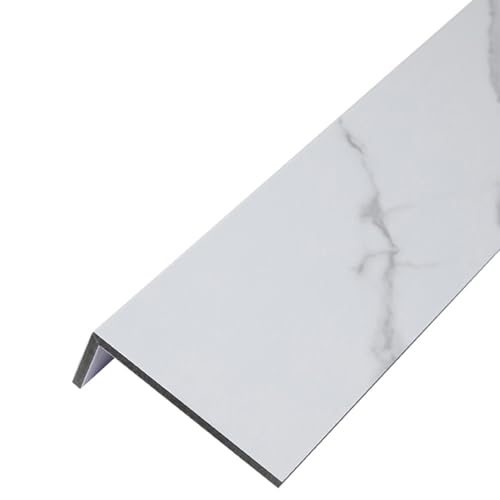
Best for: Refurbishing existing sills where a marble look is desired without full stone replacement. The acrylic surface is easy to wipe and maintain.
Why selected: It combines a marble-style finish with easy DIY installation and practical cut-to-fit customization for various sill lengths.
Limitations: Not real stone; if you need genuine stone hardness, consider a true marble product instead.
Buying Guide: Stone Window Sill Essentials
What to consider when choosing stone window sills or stone-look sills:
- Material: Real marble offers classic beauty but requires sealing and care. Engineered marble and marble-style acrylic provide lower maintenance and easier installation.
- Size and fit: Measure window opening width and desired sill depth. Select widths and lengths that minimize gaps and match surrounding surfaces.
- Moisture resistance: Look for non-porous surfaces or sealed edges to reduce staining and water damage in bathrooms and kitchens.
- Finish: Polished edges create a premium look, while matte finishes simplify maintenance. Consider edge profiles that suit your trim and trim color.
- Installation: Some products are DIY-friendly with simple cutting and no sealing, while others may require professional fitting for best results.
- Durability and care: Engineered stones resist scratching and staining better than natural stones in high-traffic areas; follow manufacturer care guidelines.
Frequently Asked Questions
What is the difference between engineered marble and real marble for window sills?
Engineered marble is created from stone composites and resins, offering lower maintenance and higher resistance to staining. Real marble provides authentic veining and a genuine stone feel but requires sealing and more careful care to avoid etching and staining.
Can marble window sills be installed in outdoor spaces?
Marble can be sensitive to weathering; outdoor installations require weatherproofing, proper sealing, and consideration of color changes over time. Check product specifications and local climate suitability.
Are marble-looking sill covers a good DIY project?
Yes, marble-style sill covers, especially those with smooth acrylic surfaces, are often designed for DIY installation and can be cut to fit with basic tools. They simplify installation and reduce maintenance.
How do I care for marble window sills?
Wipe spills promptly, use non-abrasive cleaners, and follow sealing recommendations for real marble. For engineered marble, follow the manufacturer’s cleaning guidance to prevent dulling or staining.
What should I consider for long-term durability?
Choose surfaces with non-porous or sealed edges, check edge profiles, and select materials that suit your environment (bath, kitchen, or living spaces) to minimize maintenance and maximize lifespan.