Best Patterned Rollers for Walls: Elevate Your DIY Decor With Textured Finishes
Find the right patterned roller to add texture, depth, and a painted wallpaper look to walls, ceilings, furniture, and floors. This guide targets DIY enthusiasts and homeowners seeking affordable, stencil-free texture effects. Each product section explains who benefits most, why it’s selected, and a practical caveat to consider before purchasing.
| Product | Best For | Why It Stands Out |
|---|---|---|
| Nichiyo 7” Texture Roller (EG068T) | General wall and furniture texture projects | Durable rubber; negative imprinting technique; versatile coatings |
| Nichiyo 7” Patterned Roller (EG323T-A) | Classic brick texture and decorative surfaces | Durable material; versatile for walls, furniture, and revamps |
| Decorative Art Texture Roller — Artsy Leaf | Creative wall and ceiling detailing | Wide application across surfaces; negative imprinting |
| Pattern Paint Roller — Bird Of Paradise | Stylized patterns on walls and cabinetry | Prints design onto surfaces; wallpaper-inspired look |
| Hanroy 8” Patterned Roller (2018T) | Broad wall decoration and mixed textures | Versatile, simple operation; broad application guidance |
NICHiyo 7” Texture Roller (EG068T)

Best for: projects needing durable, flexible texture with broad coating compatibility. This roller uses a high-quality rubber and supports the negative imprinting technique, printing the pattern as it glides through wet material. It is suitable with texture mediums, plasters, chalk-based paints, glazes, and paints that are not quick-drying. It’s well-suited for renewing old walls and revamping furniture. Caution: texture results can vary with different mediums and application pressures; test on a scrap area first.
NICHYO 7” Patterned Roller (EG323T-A)

Best for: adding a classic brick-like texture to walls and furniture. Durable rubber construction supports negative imprinting for consistent patterns and accommodates multiple coatings. It’s ideal for revamping spaces with a timeless brick appearance. Limitation: some users report texture results can differ from product photos depending on paint type and technique; practice on a sample area first.
Decorative Art Texture Roller — Artsy Leaf

Best for: adding extra detailing to walls, ceilings, furniture, and cabinets. Leaves a distinct impression via negative imprinting and works best with texture mediums, plasters, and glazes. This roller is a good pick for artists seeking creative, nature-inspired textures. Caution: texture consistency may vary with paint viscosity; test and adjust pressure before full application.
Pattern Paint Roller — Bird Of Paradise

Best for: achieving a decorative, tropical motif on walls and cabinetry. The roller prints its design onto the surface, enabling a wallpaper-like effect. Suitable for multiple surfaces, including ceilings. Caution: the final appearance depends on paint type and application technique; ensure uniform roll pressure for best results.
Hanroy 8” Patterned Roller (2018T)
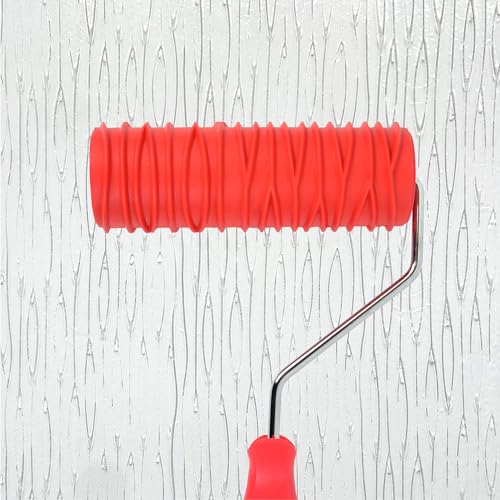
Best for: broad wall decoration and mixed texture effects across walls, ceilings, cabinets, and furniture. It supports simple operation and broad application, making it suitable for DIY enthusiasts and home improvement projects. Caution: ensure you practice on a test patch to avoid over-application or uneven coverage.
Buying Guide
Key considerations when choosing patterned rollers for walls include material, fabricating technique, and coating compatibility. Durability matters for frequent use, while a flexible roller helps with curved or irregular surfaces.
What texture should I choose for my space?
- Brick textures create a classical, architectural feel and pair well with neutral paint colors.
- Leaf or floral patterns offer organic texture for living spaces and ceilings.
- Abstract or random patterns can mimic wallpaper in modern rooms.
Which coatings work best?
- Texture mediums and plasters yield strong imprinting effects.
- Chalk-based paints and glazes provide depth and subtle variation.
- Avoid overly runny paints that may blur fine details.
Technique and preparation
- Test on cardboard or inconspicuous areas to calibrate paint volume and roller pressure.
- Ensure surfaces are clean, dry, and free of flaking material before application.
- Apply even, steady rolls to prevent patchy patterns.
Maintenance and reuse
- Clean rollers promptly after use to preserve rubber texture for future projects.
- Store rollers flat to avoid deforming the pattern.
Which product is best for my project?
- For durable, versatile texture on various surfaces, consider a standard 7″ roller with broad coating compatibility.
- For classic, brick-like accents, choose a brick-textured roller with a proven imprint pattern.
- For decorative, nature-inspired textures, select a leaf or tropical pattern roller.
FAQ
- Q: Can these rollers be used with any paint? A: They work best with texture mediums, plasters, and glazes, or chalk-based paints; test with your chosen medium.
- Q: Will patterns look the same on large walls? A: Pattern consistency can vary with paint viscosity and surface preparation; practice on a sample area first.
- Q: Are these rollers reusable? A: Yes, most are designed for multiple uses with proper cleaning.
- Q: Do they require special tools? A: A standard paint tray and roller handle are typically sufficient; some projects benefit from a brush for touch-ups.