Best Vertical Wind Turbines for Homes: Quiet, Efficient Power in Small Packages
Vertical wind turbines offer a compact, low-noise path to renewable energy for homes, cabins, boats, and remote installations. This guide highlights five top options, explaining who they’re best for, how they perform, and where to consider limitations. If you want an easy-starting turbine with year-round capability, choose a model with nylon fiber blades and a wide wind range. If you need higher output for larger homes or off-grid setups, a multi-kilowatt kit with a robust controller can be a better fit.
Overview of selected products at a glance:
| Product | Best For | Why Chosen |
|---|---|---|
| 20000W Vertical Axis Wind Turbine Kit with Controller for Home Use – High-Efficiency Renewable Energy Solution | Large homes, off-grid properties | High power, versatile applications, year-round nylon blades |
| Fablestoryem 14000W Wind Turbine Generator Kit | Mid-to-large homes, rural installs | Low-noise, 360° wind capture, durable nylon blades |
| 3000W Wind Turbine Generator Kit, 12V/24V | Smaller homes, boats, terraces | Compact, quiet, simple installation, reliable arc blades |
| HEVIRGO 4500W Wind Turbines Generator | Residential hybrids, street-lighting projects | Permanent magnet rotor, durable alloy shell, improved reliability |
| Solenvara Wind Turbine Generator Kit 1000W | Eco-minded singles and small setups | Low start wind, lantern style for space-limited sites |
20000W Vertical Axis Wind Turbine Kit With Controller
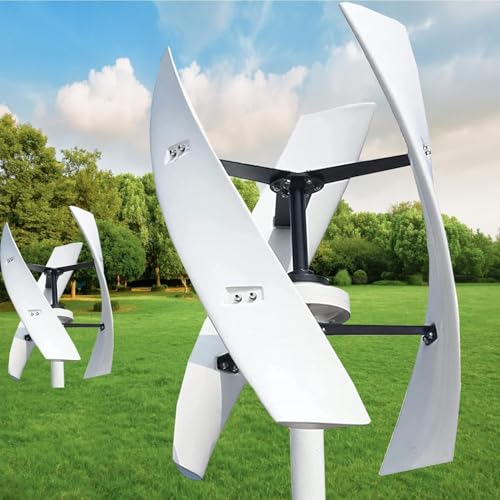
Best for high-demand households or off-grid setups, this kit emphasizes high efficiency and broad application. The blades use precision injection molding and an optimized aerodynamic shape to maximize wind capture and power generation. Nylon fiber blades offer a wide operating temperature range and are designed to start generating power at as low as 2 m/s, reducing yaw dependence and maintaining energy output in variable weather.
Who it’s for: homeowners needing substantial power, remote cabins, or small industrial sites seeking a dependable renewable energy source. Why selected: the combination of high wattage, versatile use cases (home lighting, monitoring systems, marine energy), and a self-adjusting blade design supports continuous energy production across seasons.
Caution: data suggests robust operation but the kit’s size and electrical footprint may require professional electrical integration and proper mounting to ensure safe operation in exposed environments.
Fablestoryem 14000W Wind Turbine Generator Kit
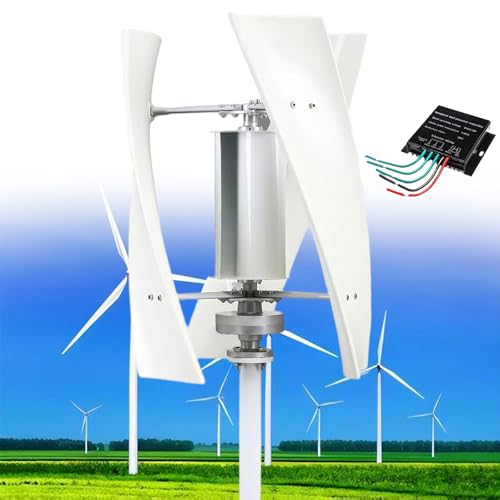
Best for mid-to-large homes or remote locations where higher power is desirable without escalating noise. The vertical turbine uses reinforced nylon fibers and an aerodynamic three-blade arc design that supports efficient wind energy conversion. It starts at around 2 m/s and captures wind from any direction without yaw adjustments, making it suitable for varied sites.
Who it’s for: users seeking substantial energy output with minimal maintenance noise. Why selected: the quiet operation and year-round performance support reliable generation while adapting to typical residential wind patterns.
Caution: larger capacity means more complex installation and potential enclosure requirements; verify local wind availability and mounting space before purchase.
3000W Wind Turbine Generator Kit (12V/24V)
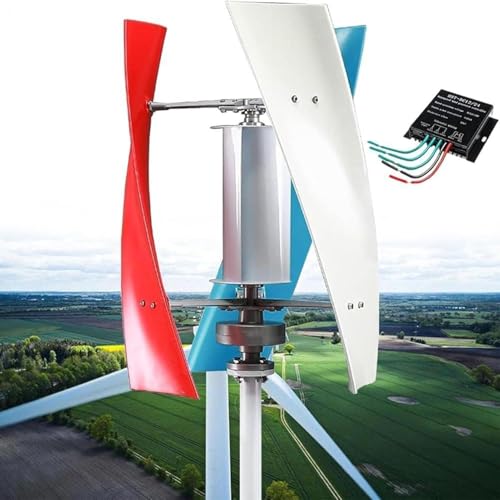
Best for compact spaces or smaller off-grid needs. This kit features three-foil blades with a lightweight, durable structure and a coreless PMG for lower start torque. It uses a three-phase AC PMG and an intelligent microprocessor to regulate current and voltage for stable output. It’s designed for low wind speeds and moderate environments.
Who it’s for: small cabins, boats, terraces, or as a supplementary energy source for tiny homes. Why selected: balance of size, efficiency, and ease of use makes it ideal for users new to wind power who want tangible benefits without a large footprint.
Caution: while compact, this model may produce limited total energy in very low-wind locations compared with higher-wattage systems.
HEVIRGO 4500W Vertical Axis Wind Turbine

Best for residential hybrids and streetlight integration where moderate-to-high energy needs meet space constraints. This turbine uses precision injection-molded blades and a patented permanent magnet rotor AC generator to improve reliability and efficiency. A die-cast aluminum alloy shell with UV and weather resistance adds durability for outdoor use.
Who it’s for: homeowners seeking a robust, mid-range wind system with efficient energy conversion and strong outdoor durability. Why selected: the generator design reduces torque resistance, fostering better matching with wind conditions and smoother operation.
Caution: installation may require careful alignment and appropriate enclosure to ensure optimal performance in varied wind zones.
Solenvara 1000W Wind Turbine Kit

Best for small households, apartments, or seasonal setups where space and cost are key considerations. It features a 5-blade vertical axis design, lantern-like body for compact installations, and a low start wind speed of 2 m/s. The design emphasizes space efficiency and stable energy generation in modest wind resources.
Who it’s for: single occupants, tiny homes, or hobbyists wanting to dip into wind power with minimal footprint. Why selected: low wind start and compact form factor make it accessible for beginners and limited sites.
Caution: total energy output is modest compared with higher-wattage kits; consider pairing with energy storage for reliability.
Buying Guide: Key Considerations For Vertical Wind Turbines
Why choose vertical axis wind turbines (VAWTs)? They typically operate closer to the ground, catch wind from multiple directions, and tend to be quieter than horizontal-axis designs. Consider the following when selecting a model:
- Power needs: Match turbine wattage to daily energy consumption. Higher wattage suits larger homes and off-grid living.
- Wind resources: Local wind speed and variability influence start wind speed and annual energy production. Look for models with low starting wind speeds (around 2 m/s) for better performance in light winds.
- Blade material: Nylon fiber blades offer durability, temperature tolerance, and reduced noise. Assess whether the blade design supports year-round operation.
- Controller and grid options: Some kits include intelligent controllers or MPPT features to optimize output. Grid-tied or battery-storage setups require appropriate electrical work and safety considerations.
- Durability and weatherproofing: Outdoor turbines should resist UV exposure, corrosion, and temperature swings. Aluminum alloy shells and protective coatings help longevity.
- Installation requirements: Check mounting space, structural support, and local codes. Higher-output units may need professional installation and electrical integration.
- Maintenance: Look for low-maintenance designs with sealed gear systems and accessible bearings. Noise and vibration levels matter for residential settings.
Frequently Asked Questions
- What wind speed do vertical wind turbines need to generate power?
- Are vertical wind turbines noisy?
- Do I need a professional to install a wind turbine kit?
- Can these turbines work in coastal environments?
- What maintenance does a vertical wind turbine require?
- How should I choose between a 1000W and a 20000W unit?
Most kits start generating usable power around 2 m/s, with performance improving as wind speed increases.
Vertical turbines generally operate more quietly than horizontal designs, but noise levels depend on blade design, bearing quality, and mounting.
For higher-wattage systems or grid-tied configurations, professional installation and electrical integration are recommended to ensure safety and code compliance.
Yes, many models use corrosion-resistant materials and temperature-tolerant blades suitable for coastal air, but verify salt exposure ratings and maintenance needs.
Regular inspection of blades, bearings, and mounting; cleaning to remove debris; and checking electrical connections help sustain performance.
Choose based on energy demand, available installation space, and budget. Larger homes or off-grid needs justify higher wattage, while small setups benefit from compact, affordable units.