Best Polyurethane Foam for Cushions: A Practical Guide to Cushions That Hold Up
Polyurethane foam for cushions balances firmness, support, and comfort for a wide range of projects. This guide highlights five top options and explains who each is best for, how they perform, and what to watch for when choosing foam. Ideal buyers include DIY upholsterers, furniture builders, and cushion replacements for homes, offices, and cosplay or craft projects. The following quick table summarizes key details to help you compare at a glance.
| Product | Best For | Density / ILD | Notes |
|---|---|---|---|
| GoTo Foam 1″ 24″ x 72″ 44ILD (Firm) | Light-to-medium seat cushions, DIY upholstery | 1.79 density, 44 ILD | Made in USA; Certipur certified |
| FoamTouch Upholstery Foam 2″ x 24″ x 84″ | Standard sofa cushions; durable daily use | 2″ thickness; 100% recovery | Made in USA |
| GoTo Foam 1″ x 24″ x 72″ Black 1.8 Density | Compact cushions; DIY projects | 1.8 density, 44 ILD | Stain and impact resistant |
| FOAMYFOAM High Density 6″ x 24″ x 24″ | Thick cushion cores; heavy-use furniture | 1.8 density, 44 ILD | Large, versatile sizing |
| FoamTouch 3″ x 24″ x 72″ | Thicker back cushions; round or oval tables | 3″ thickness; 100% recovery | Fire retardant option mentioned |
The selections below are organized to help you compare firmness, depth, and durability. Each entry includes who it’s best for, why it was chosen, and a practical caveat to guide your purchase.
GoTo Foam 1″ Firm Upholstery Cushion

This option is best for compact projects where a firm, supportive feel is desired. With a 1″ thickness and 44 ILD, it suits seat overlays, bench pads, or DIY furniture updates that benefit from controlled density. The 1.79 density contributes to stable support without excessive softness, making it a suitable base for low-profile cushions. It is ideal for buyers who want a USA-made, Certipur-certified foam for reliable, consistent performance.
Best for: light to medium cushions on small to medium chairs, DIY sofa upgrades. Caution: not suitable for thick, plush cushions that require high contouring or deep compression.
FoamTouch Upholstery Foam 2″ Cushion
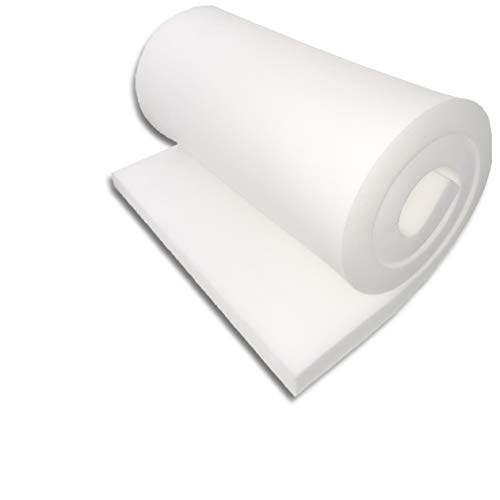
This product excels for typical sofa and chair cushions that require a balance of comfort and resilience. The 2″ thickness, 100% recovery rate, and Made in USA credentials make it a dependable mid-range choice for everyday seating. It’s better for readers seeking durable cushioning that remains shapely over time, with a straightforward installation and easy cutting in common upholstery projects.
Best for: standard living room cushions and office seating. Caution: may be too thick for very slim chair frames or shallow seating areas.
GoTo Foam 1″ x 24″ x 72″ Black Cushion Sheet
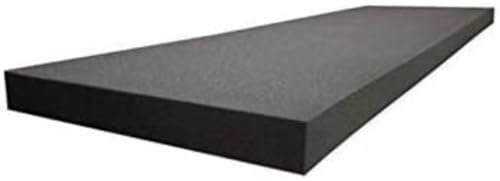
This sheet is designed for projects that need a lean profile with easy shaping. The 1.8 density and firm 44 ILD offer solid support while remaining workable for precise cuts. It’s well-suited for seat replacements, DIY upholstery, and cosplay armor builds where clean edges and a tight fit matter. The charcoal color helps match many modern decors and reduces visible wear on the surface.
Best for: seat replacements and precise, detail-oriented upholstery. Caution: 1″ sheets may require additional materials for full sofa rehabilitation or thicker cushions.
FOAMYFOAM High Density 6″ Cushion Foam

This thicker foam is designed for heavy-use cushions, such as sofa bases or lounge chairs. The 6″ depth delivers substantial support and a robust, long-lasting feel. With 1.8 density and 44 ILD, it offers a sturdy seat that resists sag over time. It’s an excellent choice when you need more depth to achieve a plush, durable cushion that still maintains structure.
Best for: high-use furniture and projects needing deep, durable cushions. Caution: may be too thick for small chairs or frames with shallow seating.
GoTo Foam 2″ Firm Cushion 24″ x 72″
This 2″ cushion strikes a balance between thickness and firmness, making it suitable for medium-to-large chairs and sofa seats. The 43lb compression rating and 1.8 density provide reliable support with a stable feel, avoiding excessive firmness. It’s a practical choice for buyers upgrading or replacing cushions on standard furniture that sees frequent use.
Best for: mid-sized sofas and dining chairs where durable, supportive cushions are needed. Caution: thicker seats may require modification of cushion covers or frames.
FOAMYFOAM High Density 2″ Cushion Replacement

Designed for versatile cushion replacement projects, this foam offers a strong balance of density and firmness. With 1.8 density and 44 ILD, it provides durable support while remaining comfortable for longer seating sessions. It’s well-suited for couches, benches, and various DIY upholstering tasks that require consistent performance over time.
Best for: general replacement cushions and multi-purpose upholstery. Caution: ensure dimensions match your frame and cushion covers to avoid gaps or fit issues.
FoamTouch 3″ Thick Foam for Cushions

This thicker option is best for cushions that require significant depth and a plush feel. The 3″ thickness lends itself to back cushions or dining chairs with deeper seats. It advertises a 100% recovery rate and is suitable for a variety of applications, including furniture cushions and boat or car cushions where a thicker profile adds comfort. It’s a practical choice when contour and comfort are priorities in thicker seat cushions.
Best for: thicker back and seat cushions in furniture or specialty projects. Caution: may be too bulky for slim frames or tight-fitting cushion covers.
Buying Guide: Key Purchase Considerations
What foam density should you choose?
- Higher density (1.8 – 2.0) generally provides better support and durability for seating used frequently.
- Lower density is lighter and more forgiving but may compress over time with daily use.
How thick should your cushion be?
- 1″ to 2″ is common for chair seats and small projects.
- 2″ to 3″ works well for most sofas and lounge chairs.
- 6″ or more is suitable for thick, plush cushions or heavy-use furniture, but may require frame considerations.
What about fire resistance and certifications?
- Careful buyers may prefer Certipur-certified foams for regulated off-gassing and composition transparency.
- Fire retardant options vary; check product details if this is a priority for your project.
What size and shape considerations matter?
- Accurate measurements prevent ill-fitting cushions and wasted material.
- Consider the cushion cover and frame depth to avoid gaps or overflow.
Durability vs. cost trade-offs
- Higher density typically lasts longer and holds shape better under daily use, but may cost more upfront.
- For decorative or low-use items, a lighter-density foam can be a cost-effective choice.
FAQ
How do I cut polyurethane foam accurately?
Use a sharp utility knife, a straight edge, and a firm cutting surface. Score multiple times if needed, then cut through with a single firm pass. For precise edges, consider using a foam cutter or electric knife.
Can I mix foam densities in one cushion?
Yes. Some projects use a firmer core with a softer outer layer to balance support and comfort. Ensure the layers are securely bonded or contained within the cover to maintain shape.
Is polyurethane foam safe for upholstery around children or pets?
Polyurethane foam is commonly used in upholstery, but consider materials with certifications and fire retardant properties if household safety is a priority. Always follow manufacturer guidance for safe use and cleaning.
How long does foam cushion foam typically last?
Durability depends on density, thickness, use, and cover quality. Higher-density foam tends to retain shape longer under regular use, while cheaper, lower-density options may compress sooner.
What should I consider when replacing old cushions?
Take accurate measurements, check cover compatibility, and decide whether you need matching firmness or a firmer baseline for the new cushions. Consider foam edge trim and a potential need for new batting or wraps for a finished look.