Best Ceiling Covers for Basement: Top Options for Quick, Clean Drops and Finishes
Answers for basement ceiling upgrades: choose lightweight, easy-install ceiling tiles or grid systems that fit your existing ceiling and moisture conditions. This guide highlights five practical options that suit typical basement environments—whether you’re aiming for better moisture resistance, sound control, or a modern, hassle-free install. Ideal buyers include DIY homeowners, small contractors, and commercial spaces upgrading basements for offices or storage.
| Product | Best For | Key Benefit |
|---|---|---|
| Art3d 12-Pack Drop Ceiling Tiles 2×4 Ft, PVC | Basesment renovations on a budget | Durable, easy cut, standard grid fit |
| Art3d 12-Pack Square Black Drop Ceiling Tile 2×2 Ft | Small rooms needing a sleek look | Lightweight, flexible PVC, easy installation |
| Art3d 10-Pack Smooth Drop Ceiling Tile 2ft x 4ft | Commercial or large basements | Fire-rated, waterproof, no sag |
| Muzata 64 Sq Ft Drop Ceiling Grid System TS04 | Complete grid solution | Safer, sturdier steel grid, easy install |
| EZ-On T-bar Ceiling Grid Cover Kit | Fast, clean grid covering | Snap-on design, minimal tools |
Art3d Drop Ceiling Tiles 2×4 Ft, White

Best for: Basement renovation projects needing a strong, easy-to-install surface that fits a standard 15/16″ T-grid system. These tiles are PVC, lightweight, and designed for straightforward DIY installation. They resist moisture and are flexible enough to accommodate outlets or vents with simple trimming.
Why selected: The 12-pack provides ample coverage (96 sq ft) and a universal grid fit. PVC construction ensures durability and low maintenance, making it a practical all-around basement ceiling solution.
Caution: Although moisture-resistant, consider a dedicated moisture barrier in highly damp spaces to maintain long-term performance and appearance.
Art3d 12-Pack Square Black Drop Ceiling Tile 2×2 Ft

Best for: Small basements or rooms that benefit from a compact, modern grid appearance with easy trimming to fit fixtures. The tiles are PVC, lightweight, and designed to integrate with standard drop-ceiling grids.
Why selected: A 12-tile pack (48 sq ft) works well for compact spaces and provides flexible design options with a durable, recyclable material. The black finish can help visually minimize ceiling seams in smaller areas.
Caution: Color may show dust more readily; regular cleaning helps maintain the intended look.
IMXPW Premium PVC Drop Ceiling Tiles 2×4 Ft
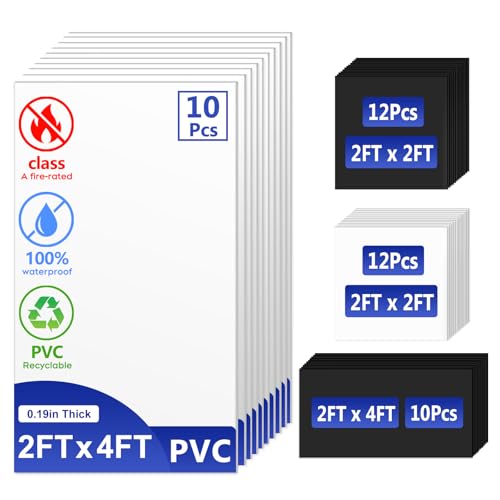
Best for: Basements with moisture concerns needing waterproof, washable tiles. These tiles are fire-rated and designed for heavy-use areas like kitchens, offices, and bathrooms in basements.
Why selected: The 2×4 ft size provides substantial coverage with a durable 0.19-inch thickness for sag resistance, and the waterproof surface simplifies maintenance in damp environments.
Caution: While highly moisture-resistant, ensure proper humidity control for long-term performance in poorly vented basements.
EZ-On T-bar Ceiling Grid Cover Kit
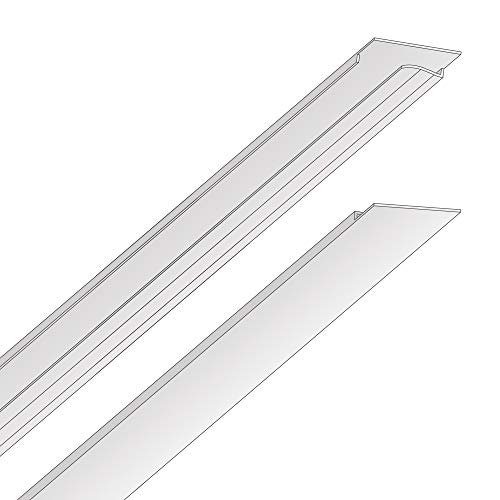
Best for: DIYers seeking a quick, clean grid-cover solution that minimizes tool use and time. Ideal for larger basement grid installations with standard 15/16″ grids.
Why selected: The kit includes main covers, wall angle covers, and pre-cut pieces to fit typical 2×2 or 2×4 grid sections, facilitating a fast, neat transformation of a basement ceiling.
Caution: The kit relies on existing grid alignment; misalignment may require extra trimming or adjustment to achieve a seamless finish.
Muzata Drop Ceiling Grid System TS04

Best for: Basements requiring a complete, sturdy grid framework with reliable components. Suitable for spaces like living rooms, kitchens, basements, and offices.
Why selected: This 64 sq ft drop ceiling grid system includes main beams, cross tees, wall molding, and installation kit, providing a cohesive, safer system than wooden alternatives.
Caution: Package excludes PVC panels; plan to pair with compatible tiles for a finished ceiling.
AES 500 Sqft Radiant Barrier Reflective Insulation
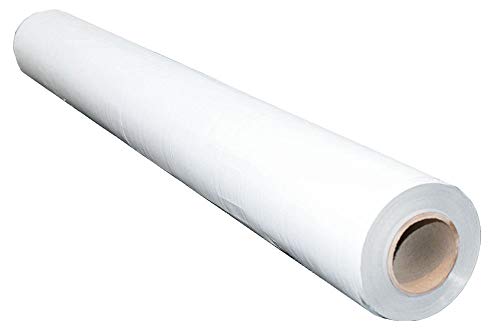
Best for: Basements where radiant heat reduction and energy efficiency are priorities. Suitable for retrofits in attic-like spaces or other areas where radiant heat transfer is a concern.
Why selected: This solid white radiant barrier reflects up to 99% of radiant heat and can contribute to cooler attic or basement environments, lowering energy usage. It’s a solid option when moisture isn’t the primary concern and a reflective barrier is desired along with insulation.
Caution: Not a drop ceiling tile; use in conjunction with proper ceiling tiles or panels to complete the basement ceiling finish.
Buying Guide: Key Factors For Basement Ceiling Covers
- Moisture resistance: Basements can be damp. Prioritize moisture-resistant materials like PVC or water-resistant composites, and consider a moisture barrier in very damp spaces.
- Installation ease: For DIY projects, choose grid kits or snap-on covers that require minimal tools and cutting.
- Ceiling size and layout: Calculate total square footage and grid compatibility (2×2, 2×4, etc.). Ensure tiles or panels match the grid system you select.
- Fire safety and certifications: For commercial basements, look for Class A fire-rated materials and products that comply with local building codes.
- Aesthetic and finish: Decide between white, black, or decorative tiles. Lighter colors can brighten a basement, while colored tiles may create a specific design theme.
- Sound control: If basement spaces double as offices or studios, consider acoustic tiles to reduce echo and improve privacy.
- Maintenance: Choose washable surfaces or easy-to-clean finishes for basements prone to dust or humidity-related staining.
- Budget and coverage: Compare tile counts or grid kit contents to estimate total cost and coverage. A larger pack may reduce per-square-foot cost.
FAQ
- Q: Do basement ceiling tiles prevent moisture damage? A: They can resist moisture if specified as waterproof or moisture-resistant, but an overall moisture management plan is essential in damp spaces.
- Q: Can I install grid covers over existing ceilings? A: Yes, many grid-cover kits are designed for retrofitting into existing suspended ceilings with standard grids.
- Q: Are PVC ceiling tiles recyclable? A: Many PVC tiles are recyclable; check local recycling guidelines and product packaging for specifics.
- Q: Which option is fastest to install? A: Snap-on grid cover kits and pre-cut tiles that fit standard grids typically install the quickest for large basements.
- Q: Will radiant barriers help a basement? A: Radiant barriers reduce heat transfer, which can help in attics or spaces exposed to solar heat; they are not a substitute for proper ceiling panels in damp basements.
- Q: Should I hire a professional for basement ceiling installation? A: For large basements or complex layouts, professional installation can ensure proper grid alignment and finish quality, though many products are DIY-friendly.