Best Plunger for Garbage Disposal: Top Picks for Quick, Clean Drains
Need a reliable plunger to tackle garbage disposal clogs and kitchen or bathroom drains? This guide highlights five top options designed for garbage disposals and related drains, helping you choose the right tool for your space. These plungers are best for homeowners who want fast, effective clog removal without calling a plumber. The list includes compact, heavy‑duty, and mini plungers to fit tight under sinks and in small spaces.
Summary table of selected products:
| Product | Best For | Why It’s Selected |
|---|---|---|
| Luigi’s Sink Plunger Kitchen (Blue) – Small | Compact kitchens with tight spaces | High air volume and quick clears for small openings |
| Luigi’s Sink Plunger Kitchen (Blue) – Mini | Tight spaces under sinks | Even smaller footprint with strong suction |
| Korky Beehive Mini | Sinks, showers, and baths | Non-marking rubber, easy plunge design |
| Dokpod Mini Sink & Drain Plunger | Compact, space-saving setups | Multi-space use with powerful suction |
| Master Plunger MPS4 Shorty | Kitchen and bathroom sinks | Large bellows for double plunging power |
Luigi’s Sink Plunger Kitchen – Blue (Small)

Best for: small kitchen drains or a compact disposal setup where space is at a premium. This plunger uses a large bellows to deliver a strong air push, aiding rapid clearance of blockages. The design aims to outperform typical plungers in a kitchen sink scenario by delivering more effective air pressure per pump.
Why chosen: The larger opening and 8x air displacement claim support faster action than standard plungers, making it a strong option for stubborn kitchen clogs near disposals. It’s easier to use in tight spaces than traditional models.
Limitations: As a smaller unit, it may require multiple well-placed pumps on deeper traps for very stubborn blockages. Use over a fully drained or nearly drained area for best results.
Luigi’s Sink Plunger Kitchen – Blue (Mini)

Best for: tiny bathrooms or under-sink spaces where a standard plunger won’t fit. This mini version uses the same heavy‑duty bellows as the full-size model to deliver strong air pressure in a compact form.
Why chosen: It offers the same air‑driven efficiency with a smaller footprint, so users with shallow basins or limited cabinet space can still unclog drains effectively. It’s a good fit for disposals when access is restricted.
Limitations: The mini size may require more effort or multiple plunges on very stubborn clogs. Avoid using on toilet bowls or long, deep trap lines where reach is a factor.
Korky Beehive Mini Sink and Drain Plunger

Best for: versatile use across sinks, showers, and baths, including sinks with disposals. The beehive design concentrates suction where it’s needed most, with a non-marking rubber head to protect surfaces.
Why chosen: The model offers a compact, user-friendly plunge with a longer handle that helps leverage and control force, making it effective for a range of drains connected to disposals. It also accommodates various drain sizes.
Limitations: Some setups with extremely deep traps may require a larger head or dual plunging actions for complete clearance. Not ideal for toilets or pipes with unusual configurations.
Mini Sink & Drain Plunger – Dokpod
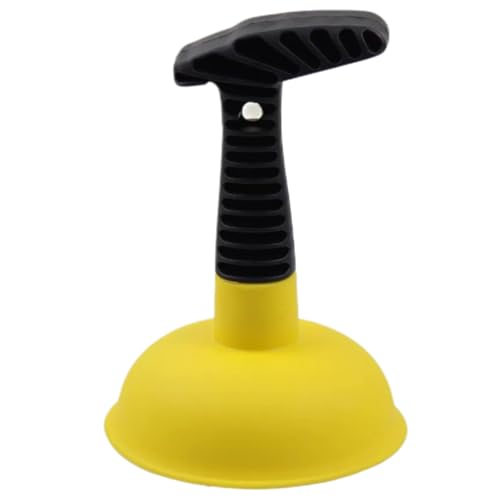
Best for: compact households or offices where space is limited but a robust plunger is still needed. It covers sinks, tubs, and showers with a short handle for tight spots.
Why chosen: The mini plunger combines a heavy‑duty rubber cup with accordion bellows to maximize suction power in tight spaces. It’s a practical choice when a larger plunger won’t fit under a sink.
Limitations: While powerful for small clogs, very stubborn debris in deeper pipelines may require additional plunging or alternative methods.
Master Plunger MPS4 Shorty
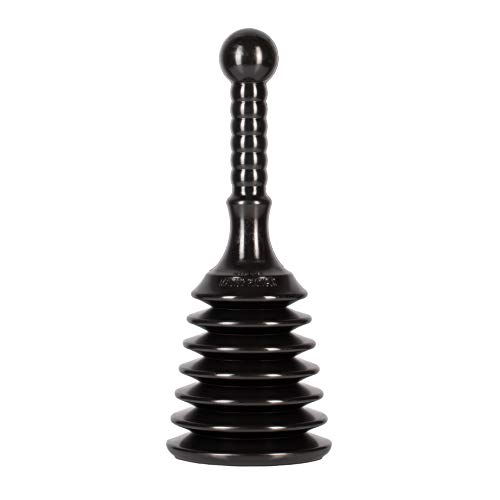
Best for: kitchen and bathroom sinks, showers, and bathtubs where a strong, steady thrust is needed. The MPS4 Shorty offers reliable power without requiring a large footprint.
Why chosen: This plunger emphasizes a high‑air displacement with its four cups of water displacement, delivering doubled plunging power compared to standard cups. It’s suitable for both residential and light commercial use.
Limitations: The shorter design may not reach every clog in deeply set traps; for longer drain lines, a larger plunger or combination approach might be necessary.
Buying Guide
What to consider when choosing a plunger for garbage disposal drains
- Plunger size and fit: Measure your sink or disposer opening to ensure the plunger head fits well for effective sealing.
- Air displacement: Plungers that claim higher air displacement can clear clogs faster, especially in kitchen sinks near disposals.
- Handle design: A long or ergonomic handle improves leverage for stronger plunges, while compact handles help in tight spaces.
- Material and compatibility: Non‑marking rubber heads protect surfaces; ensure the material is durable for repeated use.
- Versatility: If you need one tool for multiple drains, prioritize models marketed for sinks, showers, and tubs.
- Storage: Space‑saving mini designs are ideal for small kitchens, apartments, or offices with limited cabinet space.
How to use a plunger effectively on garbage disposal drains
- Seal the drain opening with the plunger head and ensure a tight grip around the drain.
- Push straight down and pull up slowly to create a strong seal and pressure cycle.
- Repeat in controlled motions for 30–60 seconds, then test the drain by running water.
Maintenance tips
- Rinse plungers after use to remove debris and sanitize with mild soap.
- Store in a dry place to prevent mold growth on rubber surfaces.
- Inspect rubber cups for cracks and replace if worn to maintain effective sealing.
Frequently asked questions
- Can a plunger damage a garbage disposal? Use a plunger with proper seating; avoid forcing through the disposal opening.
- Which plunger is best for under-sink spaces? Mini and compact plungers are designed for tight spots.
- Are there differences between kitchen and bathroom plungers? Yes, kitchen plungers often have larger cups for wider openings.
- How many plunging attempts are typical? Start with 2–3 rounds, then test the drain; more aggressive clogs may require professional help.
- Does a beehive or non-marking head matter? Non-marking rubber protects surfaces; beehive shapes concentrate suction effectively.
- Can a plunger replace a drain snake? Plungers work for many clogs, but some blockages may require a snake or professional service.