Best Valve for Gas Line: Top 5 Gas Line Valves for Safe, Reliable Control
Finding the right valve for a gas line depends on the connection type, pressure rating, and the intended environment. This guide highlights five valves that are commonly used for LP gas, natural gas variants, and fuel lines in small engines, lawn equipment, and residential setups. Each pick is evaluated for ease of use, durability, and suitability for different buyers—from DIY homeowners to professional installers. The following sections identify who each product is best for and why it stands out, along with practical cautions to consider before purchasing.
Summary table of selected products:
- Eastman Straight Gas Brass Ball Valve, 1/2 in FIP x 1/2 in FIP — Best for in-line gas shutoff in fixed installations
- Buckbock 1/4″ Inline Gas Shutoff Valve — Best for small engines and replacement parts
- EFIELD 1/2-Inch FIP x 1/2-Inch OD Flare Gas Valve — Best for brass connectors with flare fittings
- Eastman 3/4 Inch FIP x 5/8 Inch OD Angle Gas Valve — Best for tight angles and in-wall layouts
- Horiznext 1/4 Inch Fuel Shut Off Valve — Best for versatile outdoor and garden applications
Eastman Straight Gas Brass Ball Valve, 1/2 in FIP x 1/2 in FIP
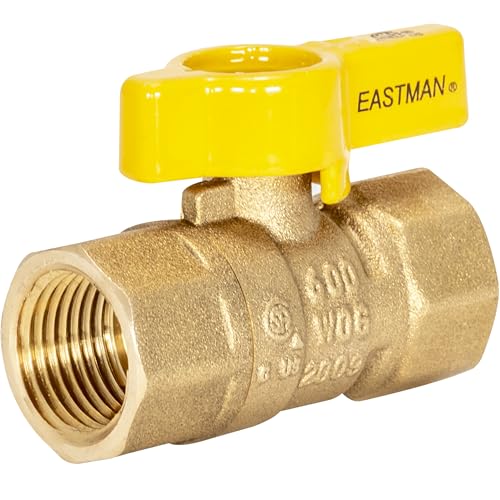
The Eastman 60009 straight gas valve is designed for inline connections, enabling direct two-pipe flow control in the same direction. It is suitable for LP gas and air mixtures up to 175 PSI and is rated for indoor shutoff applications at 5 PSI. The two-piece solid brass body and double O-ring packing help reduce leakage over time, making it a durable choice for steady gas shutoff and maintenance tasks. Best for homeowners and professionals seeking a robust inline shutoff with straightforward installation.
Who it’s best for: users needing a reliable, inline shutoff valve in fixed gas line runs, such as indoor service panels or basement installations.
Why selected: it combines a straightforward 1/2 in FIP connection with a durable brass build and leak-reducing packing, making it a solid primary shutoff in many LP gas setups.
Caution: ensure the pressure rating and indoor use limit align with your system’s design; this valve is ideal for indoor shutoff at low PSI, not high-pressure outdoor applications.
Buckbock 1/4″ Inline Gas Shutoff Valve
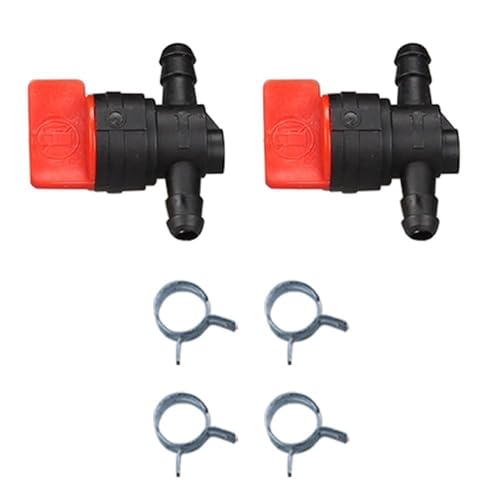
The Buckbock 1/4″ inline gas shutoff valve is designed for small-engine fuel lines and various mower components. With a 1/4 inch line size, it supports common small-engine replacements and can serve as a valve in a compact fuel system. Best for: retirees or hobbyists tackling simple engine projects or replacements where a compact valve is needed.
Why selected: compact size and broad compatibility with many small engines and replacement parts, providing a practical choice when space is limited.
Caution: this valve is best suited for low-to-moderate pressure fuel lines; verify compatibility with your specific engine model and fuel type before installation.
EFIELD 1/2-Inch FIP x 1/2-Inch OD Flare Gas Brass Ball Valve

The EFIELD VALVE231-1PCS valve features a 1/2 inch FIP to 1/2 inch flare configuration with a quarter-turn lever. Brass construction and CSA-certified operating standards make it suitable for residential and light commercial gas line connections. Best for: installations that require a flare-compatible gas connector with reliable shutoff action in regulated environments.
Why selected: the combination of brass durability and standardized fittings supports robust, long-term performance with acceptable pressure ranges for typical gas lines.
Caution: rated at modest operating pressures; do not exceed CSA limits or use in high-pressure gas mains or untested installations.
Eastman 3/4 Inch FIP x 5/8 Inch OD Angle Gas Valve

This angled gas valve from Eastman provides a 3/4 inch FIP connection to a 5/8 inch OD flare, with a 1/4-turn lever for quick on/off control. It’s designed for LP gas and air mixtures up to 175 PSI, suitable for spaces where a 90-degree fit helps with layout efficiency. Best for: installs where piping needs to turn at a corner or fit into tight spaces while maintaining reliable shutoff.
Why selected: the angle design simplifies routing in compact gas line installations and adds a sturdy brass body for durable service.
Caution: ensure the flare and FIP sizes match your existing fittings to avoid compatibility issues during installation.
Horiznext 1/4 Inch Fuel Shut Off Valve Kit

The Horiznext kit features a 1/4 inch fuel shut-off valve compatible with a wide range of outdoor equipment, including lawn mowers and irrigation systems. It’s designed for universal use across hoses and piping and allows for straightforward installation in visible or concealed locations. Best for: homeowners who want a versatile shutoff option that covers multiple outdoor tools and simple fuel line projects.
Why selected: universal design and clamp-ready configuration make it a practical multipurpose valve for garden and yard equipment.
Caution: verify that the kit’s materials are compatible with your fuel type (gasoline, diesel, etc.) and its applicable temperature and pressure ranges for your application.
Buying Guide
Key considerations when choosing a gas line valve:
- Connection type: Ensure the valve’s inlet/outlet threads (FIP, MIP, flare) match your piping and fittings. Mismatched connectors cause leaks and installation delays.
- Pressure rating and intended gas type: Gas line valves vary in maximum pressure and compatible gas types (LP, natural gas, or fuel lines). Use only valves rated for your gas and pressure range.
- Material and durability: Brass valves provide good durability and leak resistance for residential and small-engine uses. Consider stainless steel or reinforced options for outdoor exposure or high-vibration environments.
- Angle vs. inline configurations: Angled valves help with tight spaces and corners, while inline valves are simpler to install along straight runs.
- Ease of operation: Quarter-turn valves offer quick shutoff, while multi-turn valves provide precise control but require more effort to operate.
- Certification and safety: Look for CSA, UL, or equivalent certifications where applicable, especially for indoor gas lines and permanent installations.
Frequently Asked Questions
- What is a FIP connection? — Female Iron Pipe (FIP) is a standard threaded connection used on many gas and water fittings.
- Can I use any gas valve with propane? — Use valves rated for LP gas or the specific gas type in your system; do not mix ratings.
- Is an inline valve better than an angle valve for wall installations? — Inline valves are simpler for straight runs; angle valves are better when space is limited or fittings must turn a corner.
- Do these valves require special sealants or tapes? — Most gas valves use threaded fittings with appropriate gas-rated tapes or dope suitable for gas lines; follow manufacturer guidance.
- Can I install these valves myself? — Basic installations are possible for DIYers with basic plumbing skills, but consult a professional for complex piping or high-risk gas lines.
- What should I consider regarding compatibility with small engines? — For small engines, verify the valve’s line size (commonly 1/4″) and compatibility with the engine’s fuel system before replacement.