Best PVC for Pool Plumbing: Durable Tubing and Fittings Guide
Clear, reliable PVC solutions are essential for pool plumbing. This guide highlights five well-suited PVC products that cover common needs from flexible hoses to rigid pipes and repair cement. The selections cater to DIY pool owners, professional installers, and maintenance pros seeking dependable, code-friendly options for above- and below-ground systems. The table below summarizes the chosen products for quick comparison.
| Product | Best For | Key Benefit |
|---|---|---|
| Sealproof 1.5″ Flexible PVC Pipe | Flexible runs, tight spaces | USP: US-made, smooth surface, phthalate free |
| 3/4 Inch Schedule 40 PVC Pipe | Small-diameter lines, drainage | High PSI rating, precise sizing |
| 1-1/2 Inch Schedule 40 PVC Pipe | Medium to large runs, pump connections | Robust pressure rating, reliable for pools |
| Sun2Solar 25′ Flexible PVC Hose | Filtration lines, flexible routing | NSF/IAPMO certified, easy tool-fit with glue |
| ARVYNE PVC Cement 4 oz | PVC pipe repairs and joints | Fast-drying, waterproof, underwater-capable |
Sealproof 1.5″ Flexible PVC Pipe

The Sealproof 1.5″ dia flexible PVC pipe is designed for both above- and below-ground pool installations. It works with Schedule 40 PVC fittings and standard solvent cements. The pipe is US-made from virgin PVC with a smooth surface and a phthalate-free formulation. Its flexibility eases routing through tight spaces, reducing fittings compared with rigid pipe. This product is suitable for Aquaculture use under independent toxicity testing and is IAPMO listed. Best for: flexible runs around equipment, corners, and shallow trenches where rigid piping is impractical. Limitation: flexibility can be less rigid than straight rigid pipe under heavy loads or long horizontal sections, which may require careful support.”
3/4 Inch Schedule 40 PVC Pipe

This rigid white PVC pipe is sized at 1.05″ outside diameter with 0.824″ inner diameter, suitable for many drainage and pool plumbing tasks. It carries a high-pressure rating around 480 PSI, making it a solid choice for standard residential plumbing and pool installations. Best for: small-diameter lines and drainage runs where rigid, stable piping is preferred. Caution: the precise OD/ID must be matched to fittings to avoid leaks, and adjustments may require sanding or deburring edges for a tight seal.
1-1/2 Inch Schedule 40 PVC Pipe
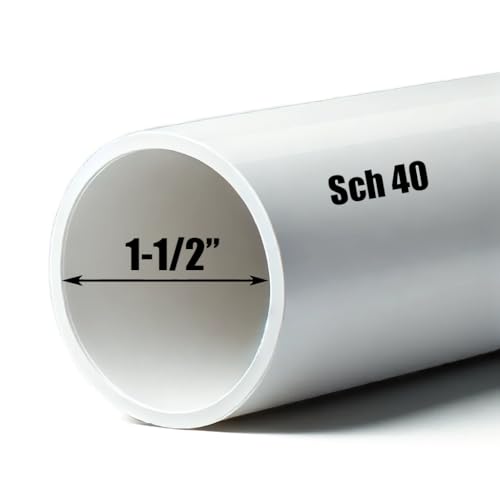
This larger diameter PVC pipe is designed for drain lines and pool circulation at 1-1/2 inches, with a robust 330 PSI rating. The ID/OD measurements support reliable fittings and connection to pumps, filters, and return lines. Best for: mid-to-large pool plumbing runs and where high-volume flow is needed. Caution: ensure compatible fittings are used to avoid pressure and leak issues at joints.
Sun2Solar 25′ Flexible PVC Hose

The Sun2Solar flexible PVC hose is a true Schedule 40 pipe with 1.5″ nominal diameter. It is designed for swimming pool filtration systems and can connect to standard Schedule 40 fittings with glue. Ready for hard plumb or clamps to ABS barbed fittings, this hose supports a maximum operating pressure around 60 psi and is NSF certified with IAPMO approval. Best for: flexible routing for filtration plumbing where modest pressure is sufficient. Limitation: the ID is slightly larger than the stated 1.5″ to accommodate fittings; verify compatibility with your clamps and fittings before installation.
ARVYNE PVC Cement 4 oz

The ARVYNE PVC Cement offers fast-drying, solvent-weld bonds for PVC pipe and fittings up to 6″ in minutes. It is waterproof and capable of underwater curing, expanding its utility to pool liner repairs and other aquatic settings. The adhesive provides a high-strength, flexible bond suitable for vinyl and rigid PVC materials. Best for: quick, reliable joint sealing in pool plumbing where underwater or damp conditions exist. Caution: follow ventilation guidelines during use and allow proper curing time for maximum seal integrity.
Buying Guide: Key Purchase Considerations
What size do I need? Consider the pipe diameter that matches your pool system’s fittings and return lines. Common sizes for pools include 3/4″, 1-1/2″, and 2″ diameters, with Schedule 40 being the standard for rigid piping.
Rigid vs. flexible: Rigid PVC pipes offer structural stability and are easier to install in straight runs. Flexible PVC tubing or hoses help navigate corners, equipment, and tight spaces but may require more supports and clamps to prevent sagging.
Pressure rating and compatibility: Check PSI ratings to ensure the pipe can handle your pump and filtration load. Ensure compatibility with solvent cements and primers approved for PVC Schedule 40 fittings.
Water safety and compliance: For pool applications, choose products with IAPMO or NSF certification when available, and consider materials with non-toxic formulations for aquaculture or wet environments.
Repair and maintenance: For leaks or repairs, a fast-drying cement with underwater capabilities can save time, especially for above-ground pools or water features that are difficult to drain.
Frequently Asked Questions
- What PVC size is best for pool pump connections? Typically 1-1/2″ or 2″ schedules are common for main lines, with smaller runs using 3/4″ or 1″ as needed.
- Can I use flexible PVC hose for pool returns? Yes, but verify that the hose supports the system pressure and is rated for pool use.
- Is PVC cement safe for aquaculture or immersion in pools? Use products labeled for non-toxic formulations and follow all safety guidelines.
- Do I need IAPMO or NSF certification for pool piping? Certifications provide additional assurance of material safety and compliance for residential pools.
- What is the advantage of Schedule 40 PVC over flexible tubing? Schedule 40 offers rigid support, better dimensional stability, and easier long-term maintenance in exposed runs.