Best Commercial Air Compressors for Workshops and Jobsites
Finding a reliable, high-capacity air compressor is essential for professional shop work, maintenance fleets, and on-site construction tasks. This guide highlights top commercial options, comparing capacity, power, noise, and durability to help buyers choose devices that sustain heavy usage with minimal downtime.
Summary Table of Chosen Products
- Campbell Hausfeld 80 Gallon Vertical Air Compressor — 5 HP, 140 PSI, 16 CFM at 90 PSI
- NorthStar 80-Gallon Quiet Armor — 7.5 HP, 26 CFM at 90 PSI, 175 PSI max
- HPDMC 13HP Gas Powered Air Compressor — 30 Gallon horizontal, 125 PSI, 44 CFM
- TRIAX Kompressor MV 100 SAE 30 — High-temperature synthetic oil for long life
- Limodot Portable 8 Gal Aluminum Tank — 1.7 HP, 5.6 CFM at 40 PSI, quiet operation
Campbell Hausfeld 80 Gallon Vertical Air Compressor
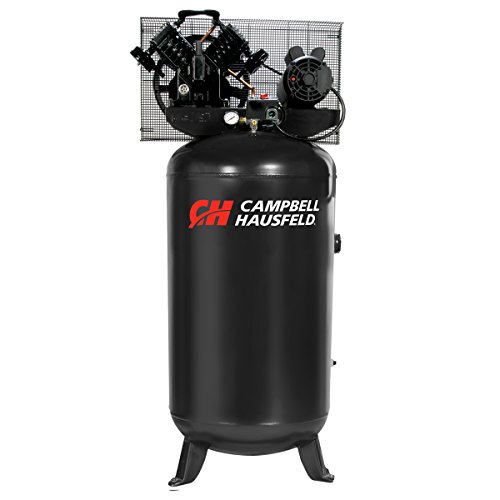
The Campbell Hausfeld model packs a vertical 80-gallon tank designed for extended use in demanding environments. It operates with a 5 HP electric motor and delivers up to 140 PSI, with an airflow of 16.0 CFM at 90 PSI. The two-cylinder cast iron pump emphasizes durability for continuous duty, helping shops sustain multiple tools and large workflow demands. The vertical footprint optimizes space in crowded workshops, aligning with compact utility in commercial spaces where floor real estate matters.
NorthStar Quiet Armor 80-Gallon Air Compressor

The NorthStar unit emphasizes low-noise operation with Quiet Armor technology, producing only 68 dB for a calmer work environment. It uses a 7.5 HP single-phase industrial motor and achieves 26 CFM at 90 PSI, with a maximum pressure of 175 PSI. This combination provides robust performance for tools that require steady air flow and quick recovery, making it suitable for busy repair bays, body shops, and light manufacturing where noise reduction is a priority without sacrificing power.
HPDMC 13HP Gas Powered Air Compressor

This HPDMC model runs on gasoline and provides a substantial 30-gallon horizontal tank capacity with a 125 PSI rating and up to 44 CFM. It features a three-cylinder arrangement and a robust cast iron pump, designed for service trucks, contractors, and job sites where electric power may not be readily accessible. The design supports devices that demand frequent bursts of air while balancing portability and resilience in field operations.
TRIAX Kompressor MV 100 SAE 30 — Oil for Rotary, Vane, Screw Units

TRIAX Kompressor MV 100 SAE 30 is a full synthetic, multi-viscosity air compressor oil designed for industrial-grade performance. The formula emphasizes high-temperature resilience and extended service life, with claims of over 20,000 hours of operation and protection against vibration and premature wear. While not a compressor itself, this oil supports commercial-grade rotary, vane, screw, and reciprocal systems, helping reduce maintenance cycles and extend component life in demanding environments.
VIVOSUN Commercial Air Pump 1427 GPH

The VIVOSUN air pump provides a high-flow option suitable for commercial hydroponic or aquaculture setups, featuring 1427 GPH and 55W motor capacity. It offers 12 adjustable outlets and aluminum heat-dissipation components for improved longevity under continuous operation. While primarily marketed for liquid systems, its robust airflow and 24/7 operation capability make it a potential secondary option for facilities that require reliable air supply across multiple lines or locations.
Limodot Portable 8 Gal Aluminum Tank Air Compressor

This portable option offers an 8-gallon aluminum tank with a compact footprint, weighing around 37.5 pounds. It delivers 1.7 HP and a rated 5.6 CFM at 40 PSI (4.2 CFM at 90 PSI). The unit’s quiet operation and dual air intakes help maintain stable performance for DIY or light commercial tasks, such as brad nailing, finish work, or painting in smaller spaces. The rustproof tank supports long-term use in diverse environments while staying easy to transport between job sites.
Buying Guide: Key Purchase Considerations
When selecting a commercial air compressor, buyers should evaluate capacity, power source, and duty cycle to match the tool load and workflow in their workspace. The following factors help compare options across categories:
- Tank size and CFM: Larger tanks store more compressed air for longer bursts, while higher CFMs enable faster tool recovery. For shops running impact wusters, sanders, or spray guns, prioritize models delivering consistent CFM at your typical PSI.
- Power source: Electric units are common for indoor shops; gas-powered units offer portability on job sites without reliable electrical access. Consider noise, emissions, and maintenance when choosing between electric and gas.
- Duty cycle and reliability: Look for heavy-duty components (cast iron pumps, dual-pump configurations) designed for continuous operation. A longer service life minimizes downtime and replacement costs.
- Noise level: Quieter units improve worker comfort and compliance in shared spaces. If noise restrictions apply, select models with sound-dampening features or vertical tank designs.
- Maintenance and accessibility: Components such as pump cylinders, oil types (synthetic vs. mineral), and ease of service influence total cost of ownership. Availability of spare parts matters for long-term reliability.
- Portability and footprint: For mobile fleets or limited workspace, balance weight, handle design, and footprint with required airflow. Hybrid or compact models can be advantageous in tight environments.
- Optional accessories: Soft-start kits, pressure regulators, and gauges improve control and reduce wear on connected tools. Ensure compatibility with existing tools and hoses.
Choosing between electric and gas, large stationary versus portable, requires mapping air demand to the work you perform. For shops that require high-volume duty, 80-gallon or larger electric compressors with low-noise designs are common favorites. For field work, gas-powered models offer flexibility if power access is uncertain. Oil quality and pump design influence long-term maintenance, especially in continuous operation environments.
Consider establishing a baseline test by listing essential tools and their required PSI/CFM, then selecting a unit that exceeds those needs by a comfortable margin. This helps prevent underpowered setups or excessive energy use, and it guides maintenance planning to extend service life.