Best Glue for Magnets: Top Adhesives for Metal, Magnets and Projects
Choosing the right adhesive for magnets is essential to ensure a secure bond without harming magnetic strength. The following products span construction adhesives, cyanoacrylates (super glues), and specialty glues that work well with metal, glass, and plastic surfaces. Each option balances quick setting, clarity, and durability to help you tackle DIY projects, repairs, and crafts that involve magnets.
Summary Of Selected Products
| Product | Brand | Type | Key Benefit For Magnets |
|---|---|---|---|
| Gorilla Max Strength Construction Adhesive | GORILLA | Construction Adhesive | Extreme bond strength, waterproof, gap filling |
| Loctite Super Glue Gel Control | Loctite | Cyanoacrylate Glue | No-drip formula, precise application, quick set |
| E6000 Craft Adhesive | E6000 | All-Purpose Adhesive | Paintable, glass/metal/plastic bond, durable |
| J-B Weld SuperWeld Glue | J-B Weld | Cyanoacrylate Glue | Strong instant bond on diverse materials |
| Gorilla Super Glue Gel XL | GORILLA | Gel Glue | Non-drip gel, ideal for vertical surfaces |
Gorilla Max Strength Construction Adhesive
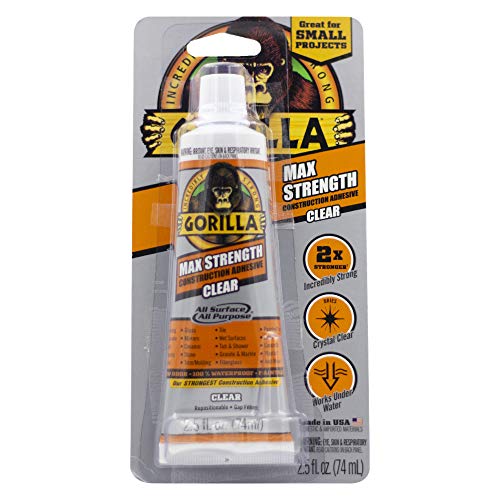
GORILLA’s Max Strength Construction Adhesive is a heavy-duty bonding option designed to fill gaps and create a waterproof seal. It’s particularly suitable for magnet-involved projects where magnets must be anchored to porous or irregular surfaces. The adhesive is marketed as 2x stronger than Gorilla Heavy Duty in many conditions, providing a durable bond that resists moisture. The formula cures to a clear finish, helping to keep attention on the project rather than the adhesive. This versatility makes it a practical choice for indoor or outdoor magnetic mounts, metal frames, and magnet-backed fixtures where a robust seal is needed.
Key features that support magnet applications include waterproof performance, gap-filling capability, and a tough bond across substrates. While this adhesive is not a traditional epoxy, it provides a reliable alternative for anchoring magnets to wood, masonry, plastic, and metal surfaces where a sturdy, weather-resistant hold matters. Application requires clean, dry surfaces and adequate clamping time for the strongest results. If you are mounting magnets in high-vibration or outdoor environments, this adhesive offers a strong all-around performance.
Loctite Super Glue Gel Control

Loctite Super Glue Gel Control is a convenient gel-based cyanoacrylate adhesive designed for precision and control. For magnetic applications, this gel helps bond magnets to metal, plastic, or glass surfaces with minimal drips, making it suitable for vertical surfaces or tight spots. The adhesive’s control cap and side-squeeze design reduce mess and enable pinpoint placement, which is beneficial when aligning magnets with small metal housings or decorative magnetic closures. The fast-drying formula provides a strong initial bond and is widely used for repairs and crafting projects involving magnets.
Considerations include the need for clean, dry surfaces and the potential for a brittle edge if exposed to significant impact. Loctite Gel Control is best for small, precise joins where a quick, clear bond is desired. It is less appropriate for heavy load-bearing magnetic assemblies or joints exposed to water, unless you pair it with a moisture-sealed setup. Overall, it’s a reliable option for magnet repairs and crafts that require neat, fast-setting glue with minimal mess.
E6000 Craft Adhesive
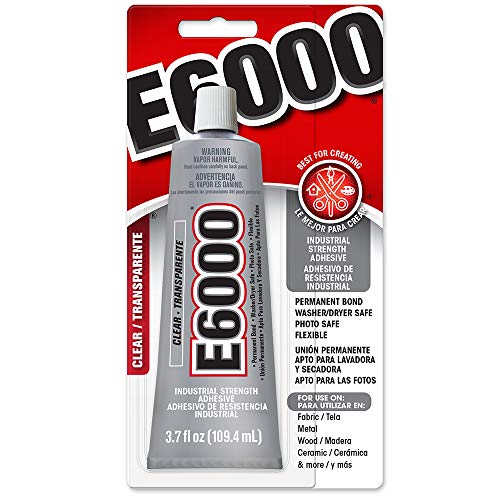
E6000 Craft Adhesive is a versatile, all-purpose bonding solution known for its flexible, long-lasting hold. It bonds to glass, wood, plastics, metal, and more, with a clear, paintable finish that suits a wide range of magnetic projects. Its flexibility is advantageous when attaching magnets to curved surfaces or materials that experience thermal expansion. The adhesive remains water-resistant and paints readily, which helps if you plan to conceal joints or integrate magnets into decorative items.
For magnet-related tasks, E6000’s ability to bond metal to various substrates is a key benefit. It dries clear and is known for its durability in crafting and repair contexts. If your project involves magnets in furniture, tools, or display pieces, this adhesive offers a practical balance of bond strength, flexibility, and finish quality. As with all adhesives, surface prep (clean, dry, and roughened if necessary) will improve bond reliability.
J-B Weld SuperWeld Glue

J-B Weld SuperWeld Glue is a cyanocrylate adhesive formulated for fast, strong bonding across multiple surfaces. This product is positioned as a professional-grade instant bond, capable of working on metals and other tough substrates that magnets may need to attach to. The accompanying applicator helps pinpoint placement and control, ensuring a strong bond without excessive glue squeeze-out. It’s a suitable choice for quick magnet repairs, securing magnets to metal frames, or mounting small components in mechanical assemblies.
When using SuperWeld for magnets, consider the bond’s response to heat and vibration. While it provides rapid strength, it may be brittle under sustained impact compared to epoxy-based systems. It’s best for small, precise magnet joints or repairs where a fast cure is beneficial. Ensure surfaces are clean and dry before application for best results, and avoid exposure to prolonged high temperatures that could affect strength.
Gorilla Super Glue Gel XL
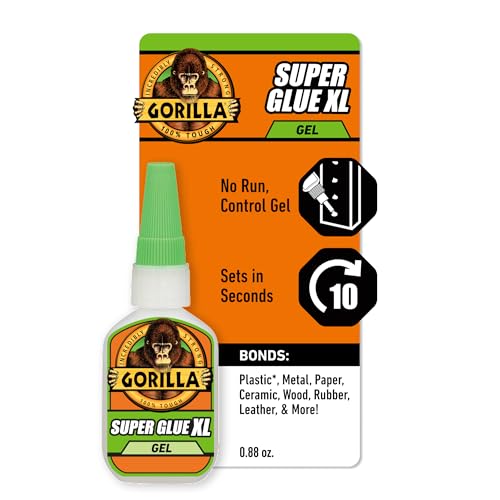
Gorilla Super Glue Gel XL offers a thick gel formula designed for vertical and porous surfaces where liquid glues can run or drip. The gel formulation is ideal for bonding magnets to wood, metal, glass, or plastic when you need precise application and minimal mess. It dries clear and cures quickly, delivering a robust initial hold that can be suitable for lightweight magnet assemblies, hobby projects, and craft magnets. The gel’s viscosity helps prevent running into grooves or intricate designs, which is useful when magnet-mounts have tight tolerances.
As with other cyanoacrylates, the bond strength is strong but can be sensitive to shear forces and moisture. For high-load magnetic fixtures, you may want to test multiple options or combine with a mechanical fastener to reduce reliance on adhesive strength alone. This product provides a reliable, easy-to-use option for many magnet-related tasks and crafts.
Buying Guide: Key Purchase Considerations For Magnets
- Material compatibility: Magnets interact with metals, plastics, glass, and wood differently. Choose an adhesive that specifically bonds well with the primary substrate in your project (metal-to-metal, wood-to-metal, etc.).
- Bond strength vs. flexibility: For magnetic mounts exposed to movement or vibration, a flexible adhesive (or one that cures with some give) may reduce joint failure. For static displays, strong rigid bonds can be appropriate.
- Water and environmental resistance: Outdoor or moisture-prone applications benefit from waterproof or weather-resistant formulas. Consider curing time and the expected exposure to rain, humidity, or temperature swings.
- Clarity and finish: Clear, paintable, or discreet bonds are desirable when aesthetics matter. Gel formulas help with vertical applications and reducing mess.
- Cure time and handling: Fast-curing glues enable quicker project completion, but longer cure times can yield stronger final bonds in some formulations. Plan around your workflow and clamping needs.
- Application control: Side-squeeze bottles, precision tips, and brushes enable accurate placement, essential for small or intricate magnet applications.
- Surface prep: For best results, ensure surfaces are clean, dry, and free of oils. Lightly roughening smooth surfaces can improve adhesion for some glues.
- Safety: Follow label directions, especially for skin and eye protection, ventilation, and curing times. Some cyanoacrylates can bond skin instantly, so handle with care.
In summary, magnets can be bonded using a range of adhesives—from fast-setting cyanoacrylates for precise magnet placements to flexible, waterproof construction adhesives for robust, weather-exposed mounts. For most metal-to-metal or magnet-to-metal scenarios, a gel or clear, high-strength adhesive offers the best balance of bond strength and neat finish. Always test a small area first to verify compatibility and performance on your specific magnet and substrate.