Best Shovels for Overlanding: Tough, Compact Tools for Remote Adventures
Overlanding combines off-road travel with camp-ready gear, so a reliable shovel can be a game changer in muddy bogs, sandy dunes, or snowfields. The following picks emphasize durability, compact storage, and multi-use capability—qualities valuable on long treks where every pound counts. Below are five shovels well-suited for off-grid digging, emergency situations, and rugged outdoor chores across a range of terrains.
Summary of Selected Products
| Product | Brand | Key Strengths | Storage Footprint |
|---|---|---|---|
| Sahara Sailor Unbreakable Tactical Shovel | Sahara Sailor | 12 tools in 1, military-grade steel, collapsible | Compact, portable |
| RHINO USA Folding Survival Shovel | Rhino USA | 180° shovel, 90° pick, lightweight | 9″ x 6″ folded |
| Rhino USA Survival Shovel w/Pick | Rhino USA | 7-in-1 tools, extensive versatility | 7″ collapsed |
| Mastiff Gears Wooden Handle Folding Survival Shovel | MASTIFF GEARS | Wooden handle, serrated blade, lightweight | Portable fold design |
| Hooyman Short Handle Digging Shovel | Hooyman | Heavy-duty carbon steel, ergonomic grip | Standard long handle reach |
Sahara Sailor Unbreakable Tactical Shovel

The Sahara Sailor tactical shovel is designed for multipurpose outdoor use with a 23-in-1 configuration, addressing camping, hiking, and emergency scenarios. Its construction relies on military-grade carbon steel and anodized aluminum tubes to balance strength and weight. A fold-and-lock mechanism simplifies storage and transport, while the included carry bag helps keep components organized in vehicles or packs. This shovel is positioned as a dependable overlanding companion for users who want a comprehensive toolkit in one compact package.
RHINO USA Folding Survival Shovel with Pick
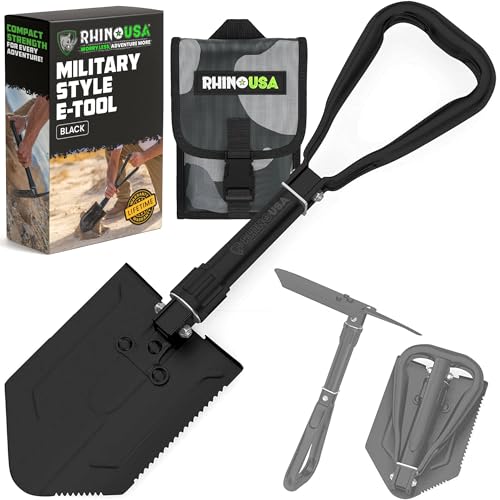
This 22-inch extended tool folds down to a compact 9 by 6 inches and weighs about 2 pounds, prioritizing portability for overlanders who need a shovel without bulk. Its 3-in-1 design integrates a 180-degree shovel, a 90-degree pickaxe, and a 90-degree pick tool, enabling quick adaptation to digging, digging through ice, or prying tasks. The product emphasizes American ownership and family-operated support, which can offer reassurance during long trips where service matters as much as hardware.
Rhino USA Survival Shovel w/Pick

This 7-in-1 multi-tool survival shovel packs a fire starter, whistle, bottle opener, saw, hoe, fish scaler, and more. The extended length reaches 31 inches, while the collapsed form remains compact for storage in a vehicle or pack. The design aims to consolidate essential survival functions into one robust device, suitable for off-road expeditions and remote camping where access to gear is limited.
Mastiff Gears Wooden Handle Folding Survival Shovel
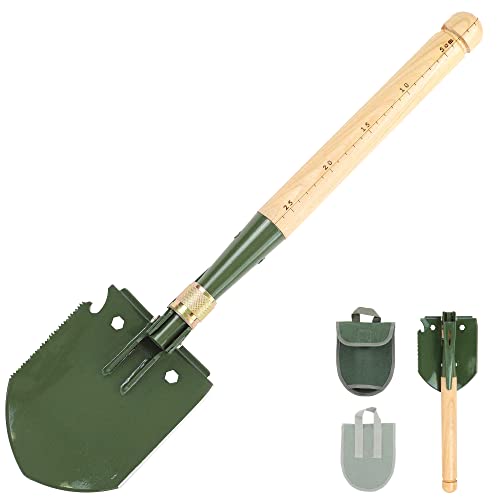
From Mastiff Gears, this wooden-handle folding shovel balances comfort with performance. The 23-inch length and lightweight build make it practical for long trips, while a serrated blade and multi-functional side blade enhance utility for clearing roots, trimming brush, or cutting through tough soil. A wood handle can dampen vibration and provide a familiar grip for extended use, which can be advantageous on challenging terrains encountered during overlanding.
Bully Tools 14-Gauge Trunk Shovel

The Bully Tools trunk shovel emphasizes durability and reliability with 14-gauge construction and a D-grip handle. It’s 100% made in the USA with a limited lifetime warranty, making it a sturdy choice for those who prioritize long-term assurance. While not as compact as some folding models, its rugged design can be attractive for overlanders who expect repeated, hard use in remote campsites or off-road scenarios.
Hooyman Short Handle Digging Shovel
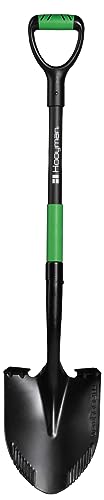
This Hooyman shovel features a heavy-duty carbon steel head and an ergonomic no-slip H-Grip handle designed to improve control in wet or slippery conditions. The 43.5-inch overall length and compact footprint make it a versatile option for overlanding tasks like digging drainage trenches, setting up campsites, or clearing soft soil around a vehicle. The combination of grip, strength, and length aims to reduce user fatigue on extended expeditions.
Hooyman Mini Transfer Shovel

The Hooyman Mini Transfer Shovel offers a lighter option with a compact footprint, featuring a carbon steel build and an ergonomic no-slip H-Grip. Its reduced length and weight make it suitable for day trips or as a secondary tool on an extended overlanding journey where every ounce matters. While smaller than full-size shovels, it remains capable for basic digging and campsite tasks.
Buying Guide: Key Purchase Considerations For Overlanding Shovels
- Durability vs. Weight: Overlanders need a shovel that withstands rugged soils while remaining easy to carry. Steel blades offer strength, while carbon steel provides a balance of weight and resilience.
- Foldability and Size: A compact, folding design helps fit gear into tight vehicle compartments. Consider how small the tool becomes when stored and how easy it is to deploy in the field.
- Versatility: Models with additional tools (pick, saw, bottle opener, etc.) can reduce the need for multiple separate tools. Evaluate which functions are most valuable for camping, vehicle recovery, or emergency prep.
- Grip and Comfort: Ergonomic handles (no-slip grips or wooden grips) reduce fatigue during long digging sessions or in wet conditions. A comfortable handle can improve control and safety.
- Portability vs. Reach: Longer tools reach buried material without kneeling, while shorter, lighter tools are easier to carry. Consider the typical terrain and the type of digging you expect to do most.
- Maintenance and Warranty: Look for corrosion resistance and warranty coverage. A tool with a solid warranty can provide peace of mind for remote trips.
For overlanding, the ideal shovel blends compact storage, robust materials, and practical multi-function capability. The selections above span folding designs, multi-tool configurations, and traditional heavy-duty builds to accommodate varying terrains and expedition needs. When choosing, weigh how often you’ll rely on the tool, the typical terrain you encounter, and how it integrates with your vehicle setup.